A Trip Around Osaka for Good Fortune: Shrine Visits with Something Extra
In Japan, shrines are regarded as “power spots,” places where you can purify your spirit and recharge your luck by paying a visit. Osaka has many such shrines that people affectionately refer to with the suffix “-san.”
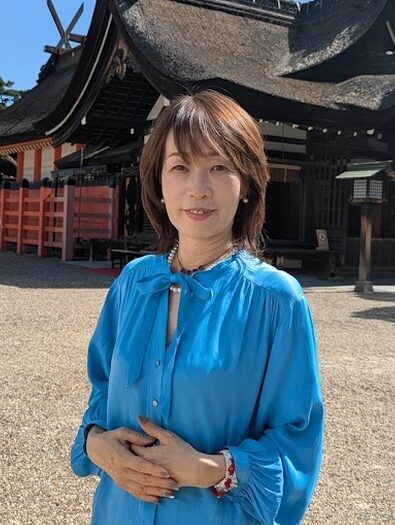
For this installment, illustrator Yasuko Senshu, who has close ties to shrines and even designs goshuin stamp books, provides a detailed introduction to the most powerful shrines in Osaka.
This is a must read if you’re thinking about where to go for your New Year’s shrine visit!
A treasure trove of power spots, everywhere you look! [Sumiyoshi Taisha]
First up is Sumiyoshi Taisha, the head shrine of around 2,300 Sumiyoshi shrines across Japan and fondly known by the nickname “Sumiyossan.” For me, it is a shrine full of memories. I often visited as a child with my grandfather, since my grandparents lived in Sumiyoshi.
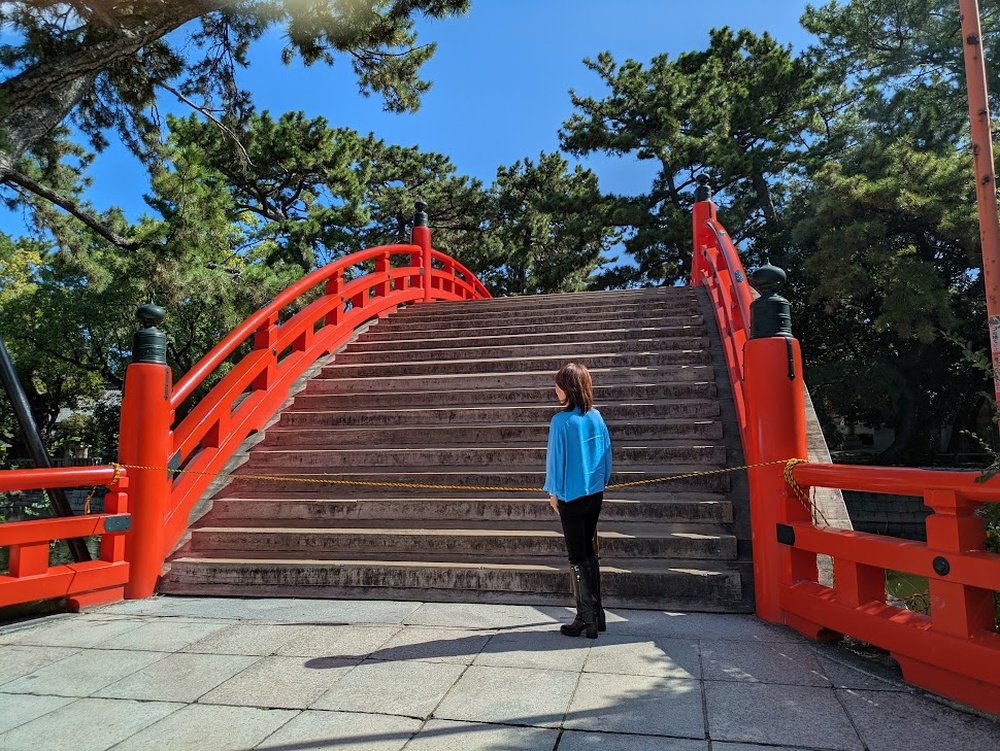
The shrine is right in front of you when you get off at Sumiyoshitaisha Station on the Nankai Main Line, and the blue of the sky, green of the trees, and vermilion of the bridge and main hall all leap into view. Let that postcard-perfect scenery capture your gaze and take a deep breath. Soak up all that good spiritual energy with your whole body.
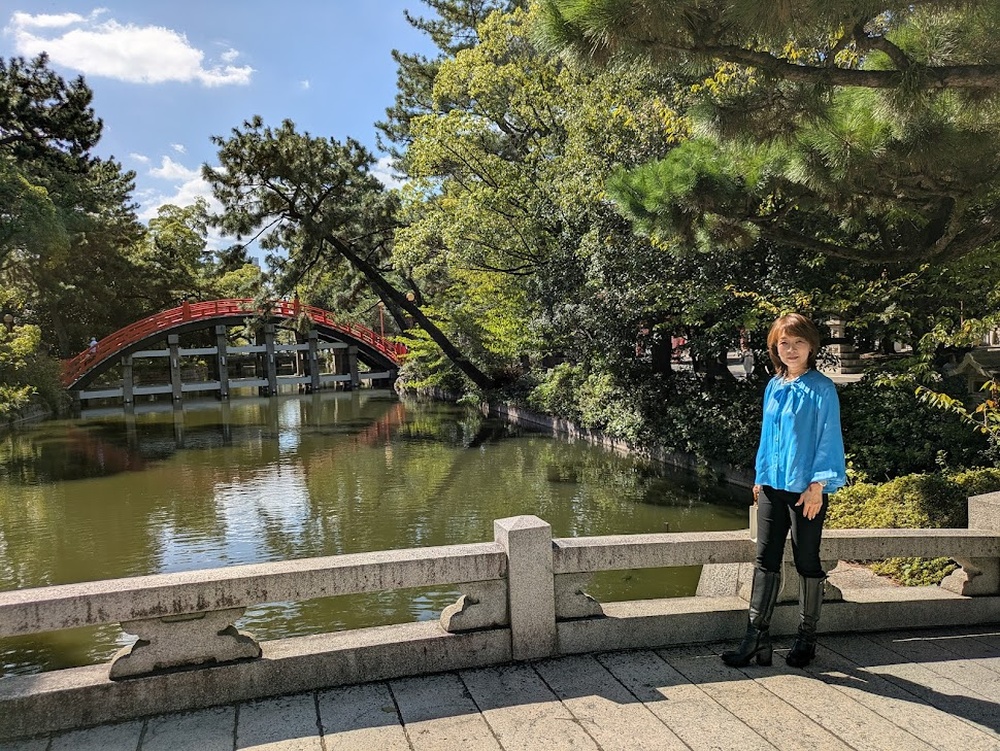
As you walk closer, the Sorihashi bridge appears. The vermilion railing is reflected in the surface of the pond, forming a circle that makes it look like a drum. That’s why it is also called the Taiko-bashi, or “drum bridge.” Simply crossing this bridge is said to be a form of spiritual purification.
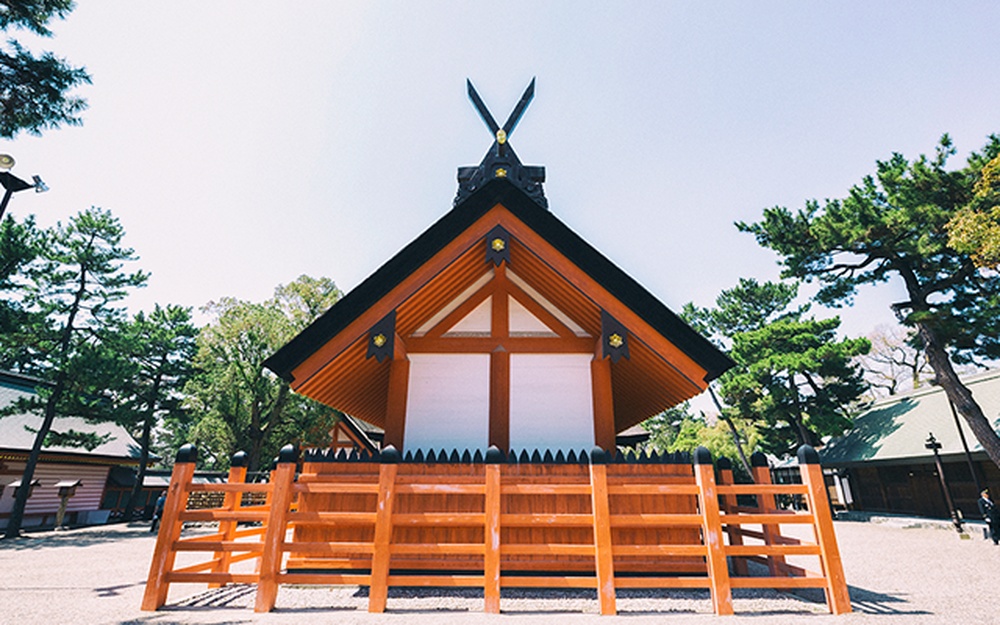
The main hall is an example of the “Sumiyoshi-zukuri” style, one of the oldest styles in the history of shrine architecture. There are four main sanctuaries from the First to the Fourth, all of which are designated as National Treasures. These halls are unusually arranged facing west toward Osaka Bay, a layout that seems to reflect the fact that Sumiyoshi Taisha has long been revered, even by the imperial court in ancient times, as a shrine of deities who protect sea voyages.
The four main halls are arranged in an L-shaped formation. The innermost is the First Main Sanctuary that enshrines Sokotsutsu-no-o-no-mikoto. The Second Main Sanctuary enshrines Nakatsutsu-no-o-no-mikoto, and to the front of that the Third Main Sanctuary enshrines Uwatsutsu-no-o-no-mikoto. To the right stands the Fourth Main Sanctuary, which enshrines Okinagatarashi-hime-no-mikoto (Empress Jingu).
I remembered that a fishing-loving friend from Tokyo once asked me to pick up a Tsuribito-mamori (fisherman’s charm) from Sumiyoshi Taisha, so I took a peek at the charm counter and… I found the Tsuribito-mamori. These unusual fish-shaped charms are said to protect anglers from injuries and accidents while fishing, and apparently they’re quite famous among fishing enthusiasts.
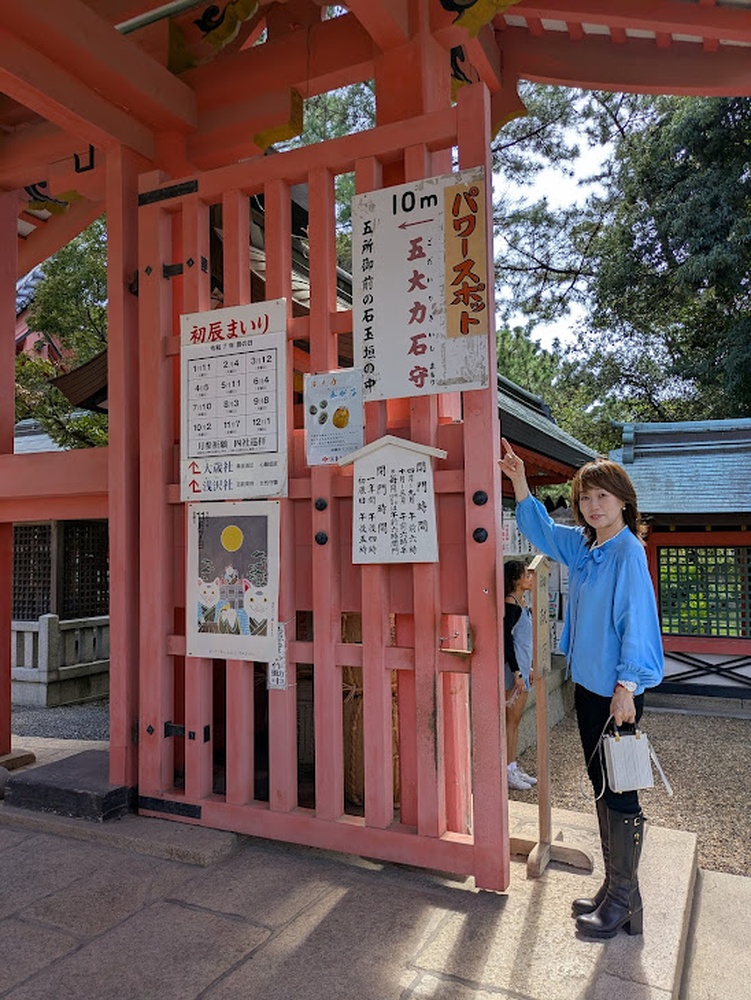
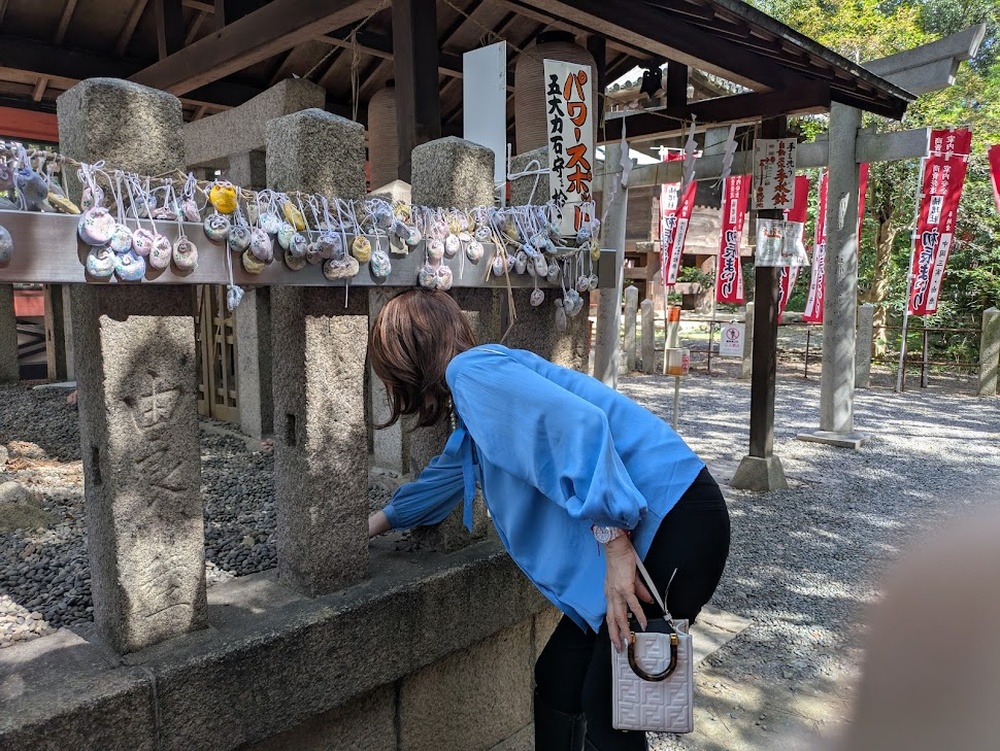
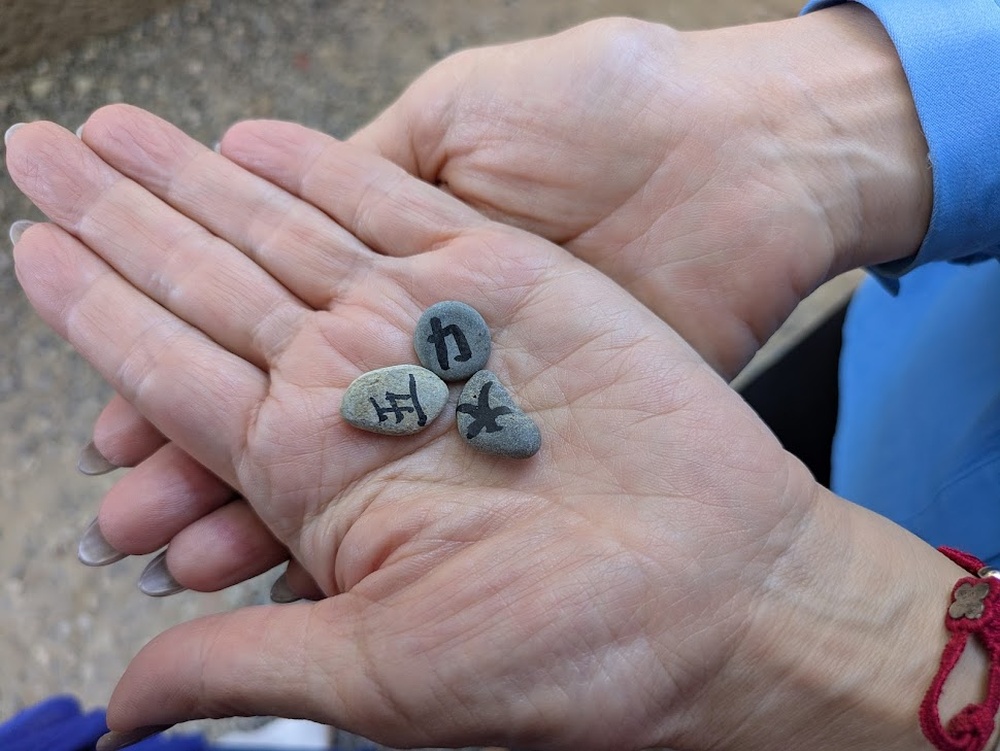
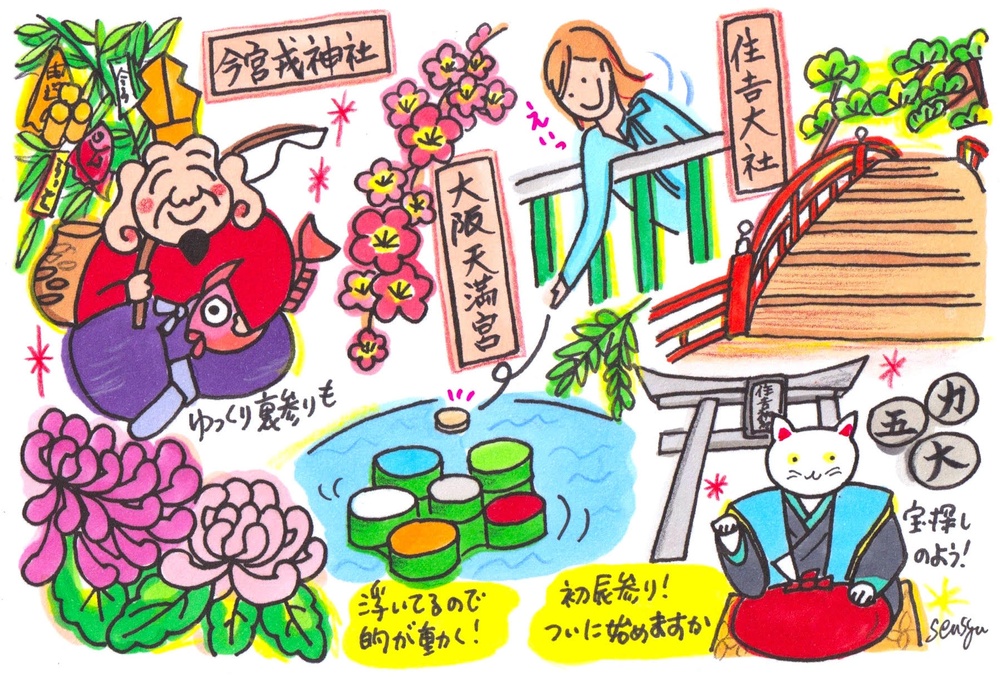
Next, continuing with the charm theme, I’d like to introduce the Godairiki Ishi-mamori (Five Great Powers Stone Charm). For this charm, you search for and collect small stones inscribed with the characters for five (五), great (大), and power (力) at a sacred place called Gosho-gozen, where the Sumiyoshi deities were first enshrined and worshipped around 1,800 years ago. Once you find all three, you take them to the charm counter where you receive a special pouch to turn them into a charm. If you do this, they say your wish will come true. The “five great powers” refer to physical strength, wisdom, financial strength, good fortune, and longevity. It’s a charm that comes with the fun of hunting for the stones yourself.
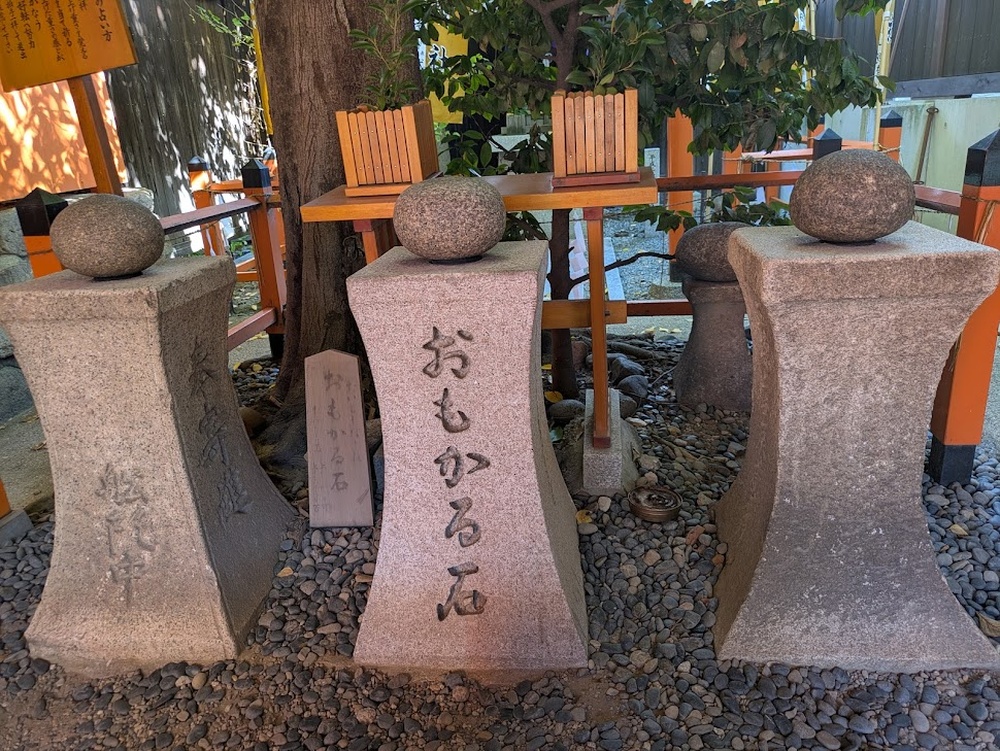
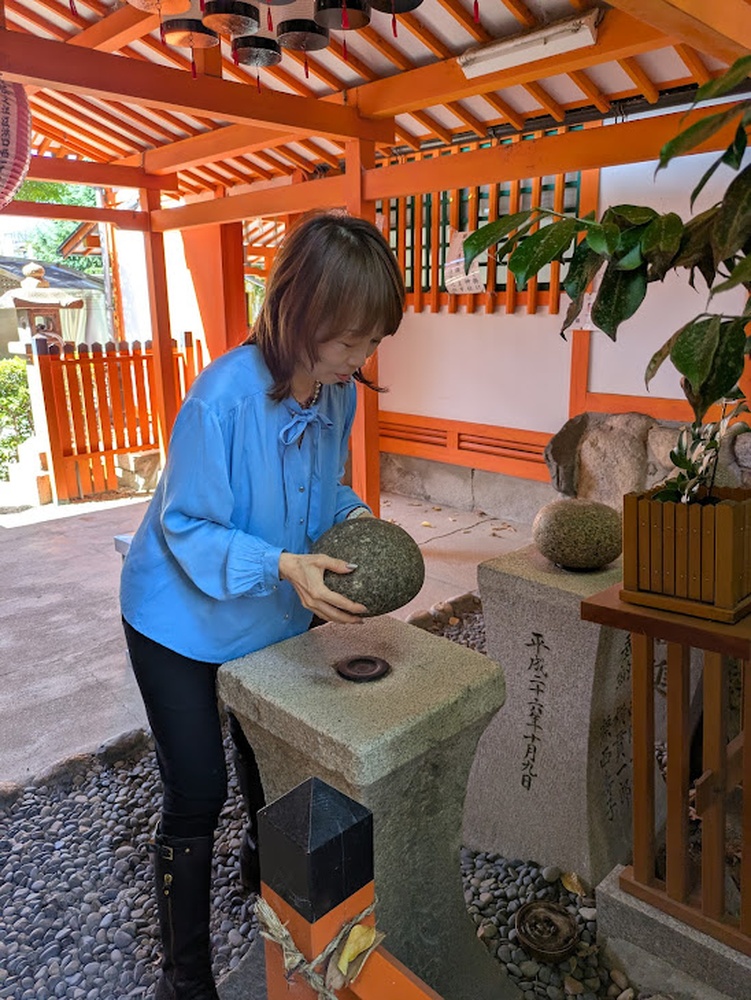
Proceeding further into the shrine, you’ll find a popular spot where people line up on weekends. It’s the “omokaru ishi” (heavy-light stone) at Otoshi-sha shrine, a sacred stone used to divine whether your wish will come true. The divination method is simple: first you lift the stone and make a wish, then you lift the stone again. If it feels lighter the second time you lift it, they say your wish will come true. Give it a try as a way to test your fortune for the coming new year.
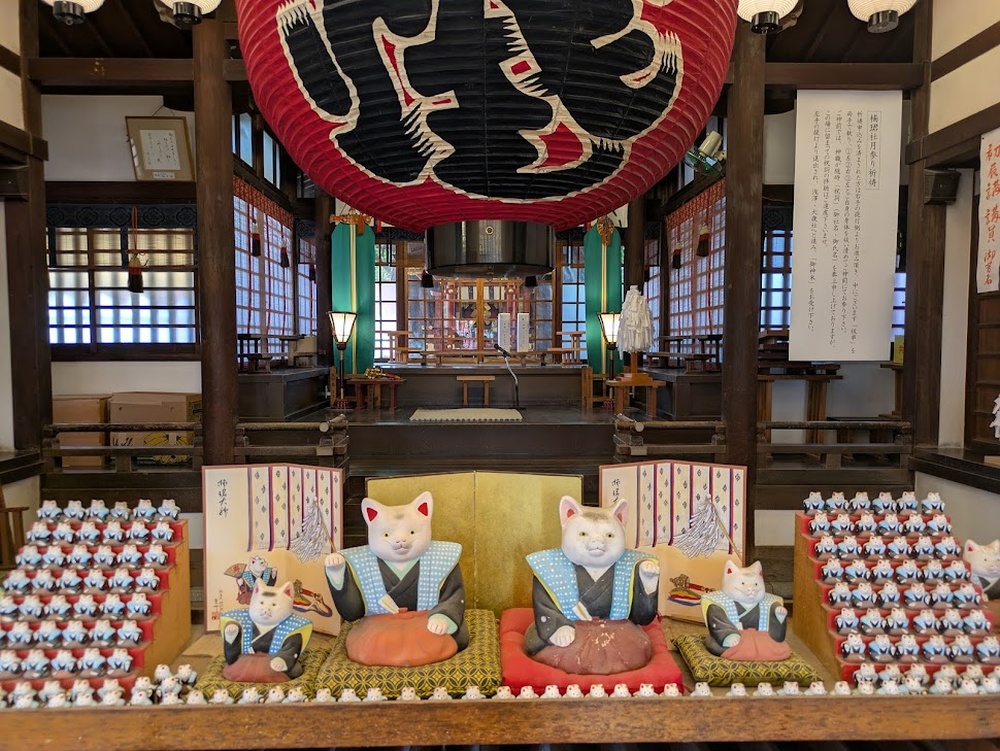
Finally, let’s look at the popular lucky day “Hatsu-tatsu Mairi,” known for its adorable figurines of cats wearing kamishimo (a traditional Japanese two-piece formal outfit worn by samurai and courtiers). On the first day of the dragon in each month, you visit the four subordinate shrines—Tanekashi-sha, Nankun-sha, Otose-sha, and Asazawa-sha—in order. If you make this visit once a month for four years, for a total of forty-eight visits, it is called “shiju-hattatsu” (a pun for perpetual development), and this auspicious wordplay is said to ensure that good fortune will continue throughout your life. The beckoning cats enshrined at Nankun-sha can also be collected: once you’ve gathered forty-eight small cats, you can exchange them for a medium cat as proof that your vow has been fulfilled, and when you further collect two medium cats plus another forty-eight small cats, you can trade them for a large cat. Once you start collecting them, you’ll find yourself completely hooked!
It’s not just the Toka Ebisu Festival, weekdays are full of highlights too [Imamiya Ebisu Shrine]
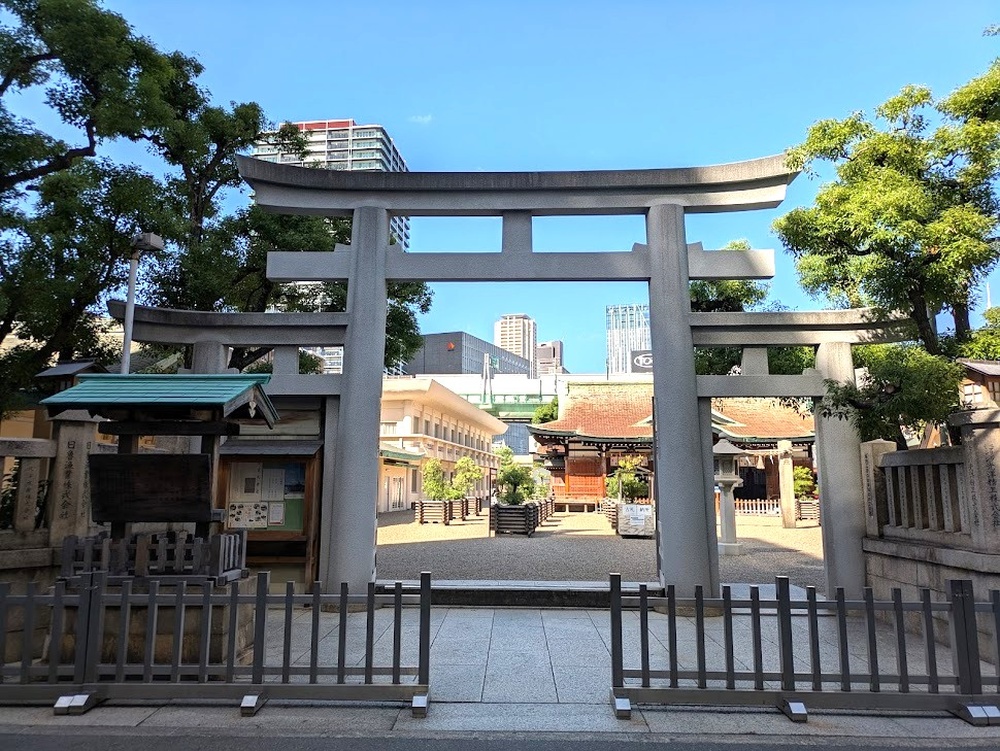
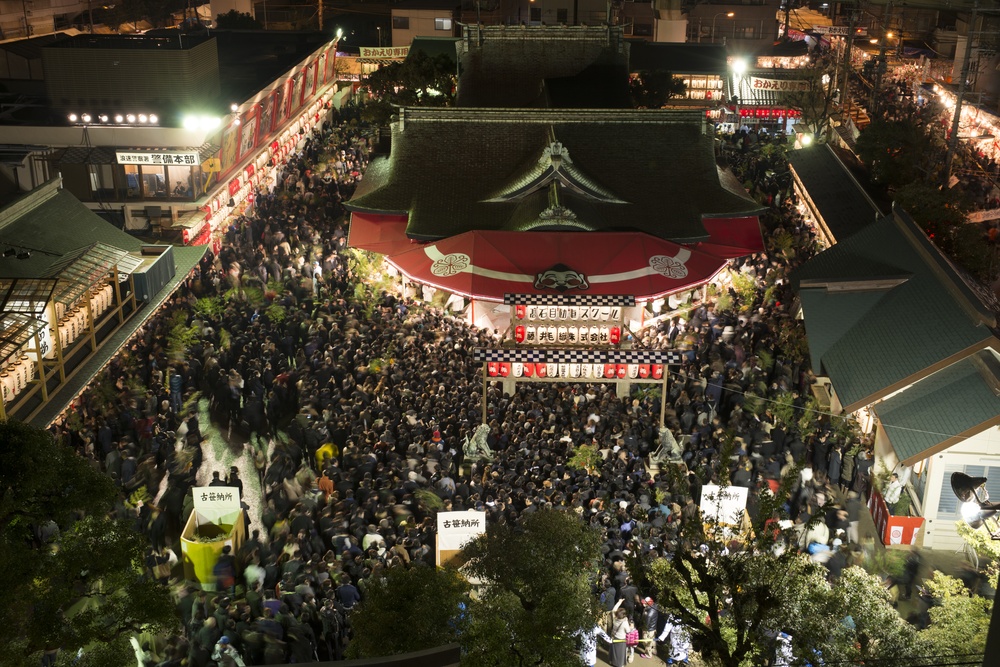
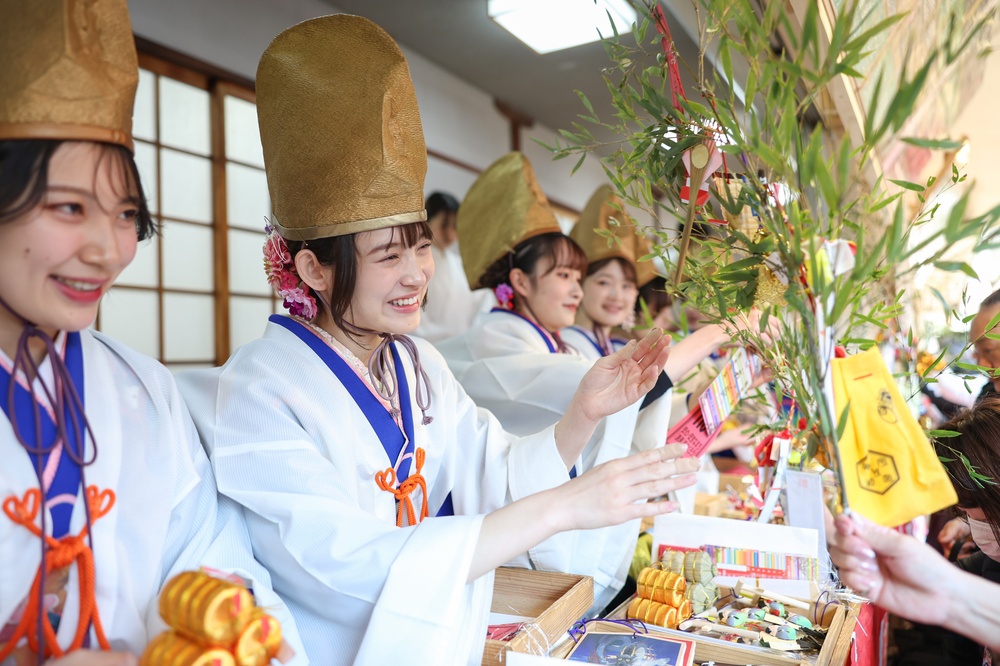
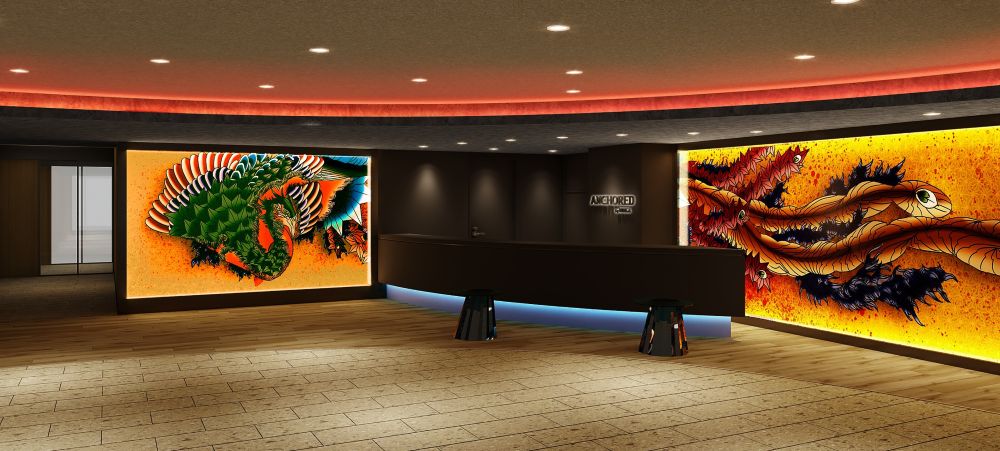
Imamiya Ebisu Shrine is famous for the festival chant “Shobai hanjo ja, sasa mottekoi!” (“Bring your bamboo branches for business prosperity!”) during the Toka Ebisu celebrations. The shrine is located just a few minutes’ walk from Ebisucho Station on the Osaka Metro, and the new RIHGA Royal Hotels property ANCHORED by RIHGA, Osaka Namba, scheduled to open in April 2026, will be practically a stone’s throw away.
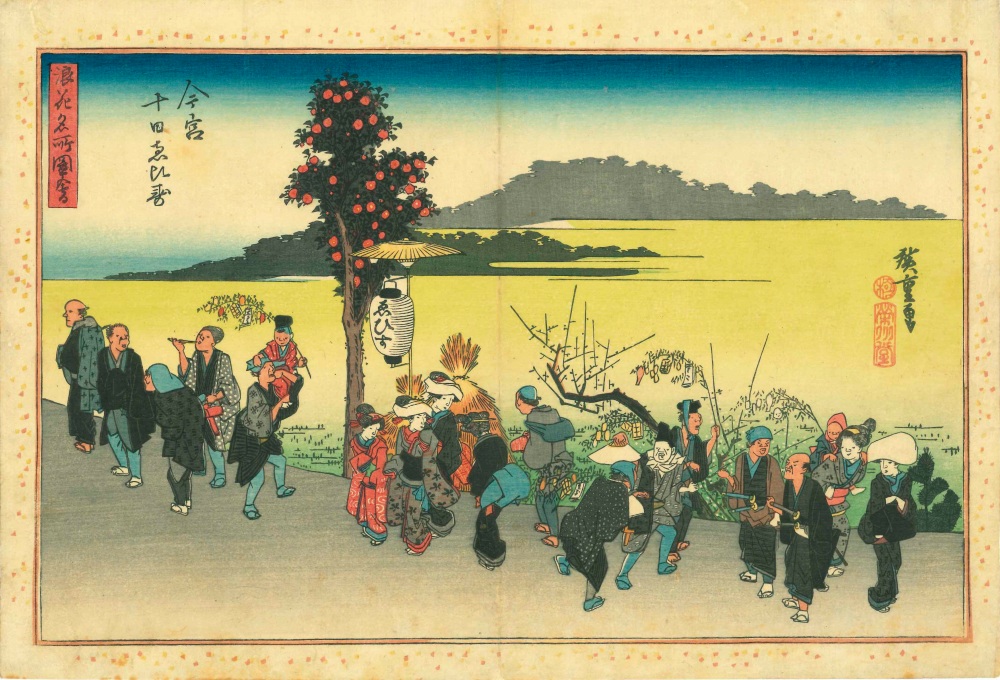
Founded in the year 600, Imamiya Ebisu Shrine enshrines Ebisu, one of the Seven Lucky Gods, and regarded as the most powerful deity of good fortune. Revered since at least the Heian period as the guardian deity of markets, Ebisu (divine name: Kotoshironushi-no-mikoto) has also been worshipped as a god of fishing, as you can imagine from his fishing rod and sea bream. By the Edo period, when belief in the Seven Lucky Gods had spread among commoners, Toka Ebisu was already famous as a festival for prosperous business, and ukiyo-e from the time show scenes very much like today, with worshippers carrying lucky bamboo branches. It’s about a 15-minute walk from Nankai Namba Station, just one stop away, and the name of Ebisubashi, the bridge famous for the Glico sign, is said to come from the fact that it lay on the pilgrimage road to Imamiya Ebisu Shrine.
The “kiccho” (auspicious) ornaments attached to the lucky bamboo branches for Toka Ebisu include charms representing dried abalone strips, money bags, oval gold coins, magic mallets, rice bags, and sea bream, symbolizing blessings from the fields, mountains, and sea.
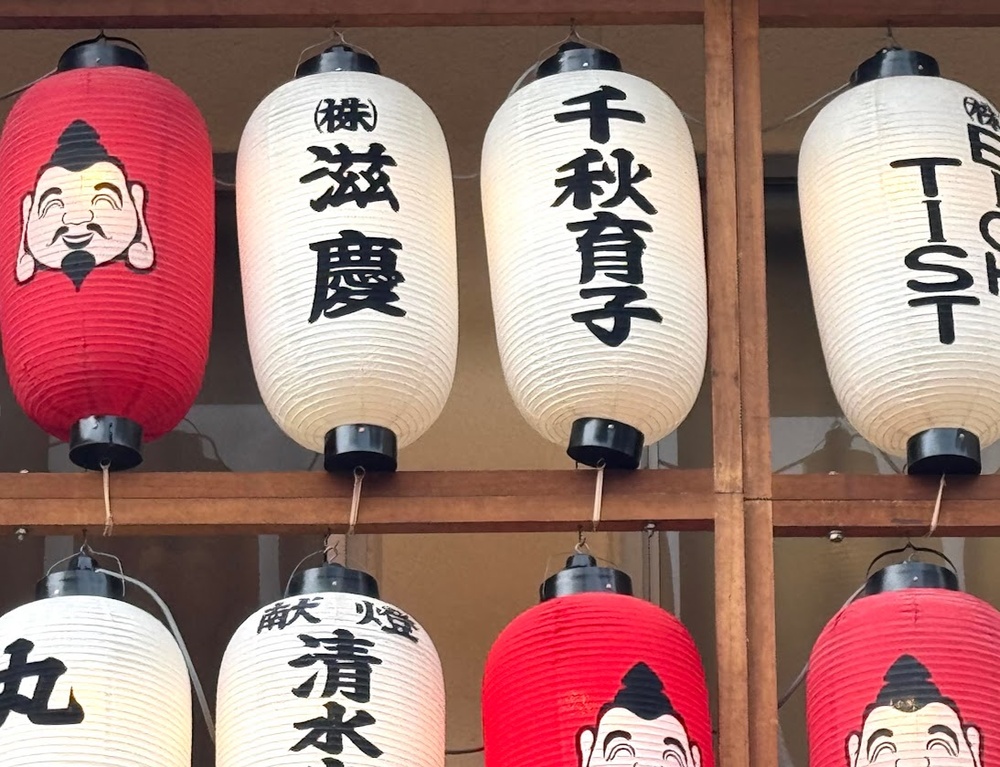
In Osaka, which has long flourished as a city of merchants, people say that “Toka Ebisu is more exciting than New Year’s.” I never miss visiting Toka Ebisu, and since 2025 I’ve been dedicating lanterns there. With the Hoe-kago procession of beauty queens in palanquins and the distribution of lucky bamboo branches decorated with small treasures and auspicious charms, the entire Minami area of Osaka overflows with energy during the three days of Toka Ebisu.
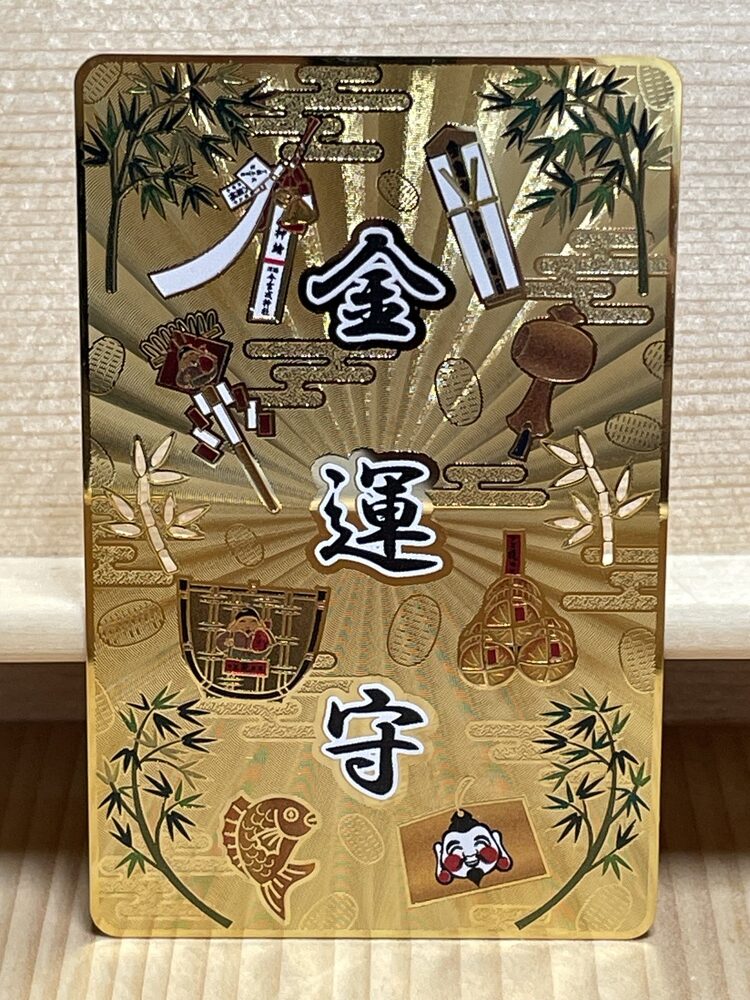
Although the shrine grounds are bustling during Toka Ebisu, ordinarily they are so quiet it’s hard to believe you’re in the middle of the city. After you visit the main hall, be sure to stop by the charm counter. Imamiya Ebisu Shrine has several charms not available anywhere else, through which you can receive the blessings of Ebisu-sama (Kotoshironushi-no-mikoto) for prosperous business and harmonious good fortune. Among these, the golden “Financial Lucky Charm” is a card type that slips easily into a wallet, decorated with lucky motifs from the lucky bamboo branches, and just carrying it feels like it your luck will improve.
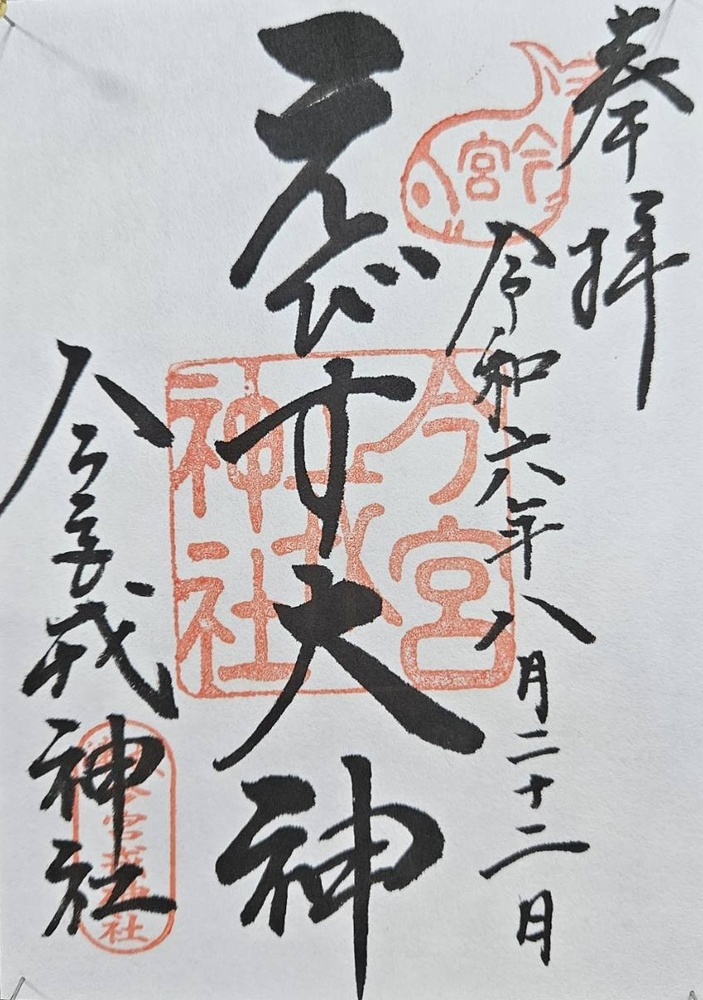
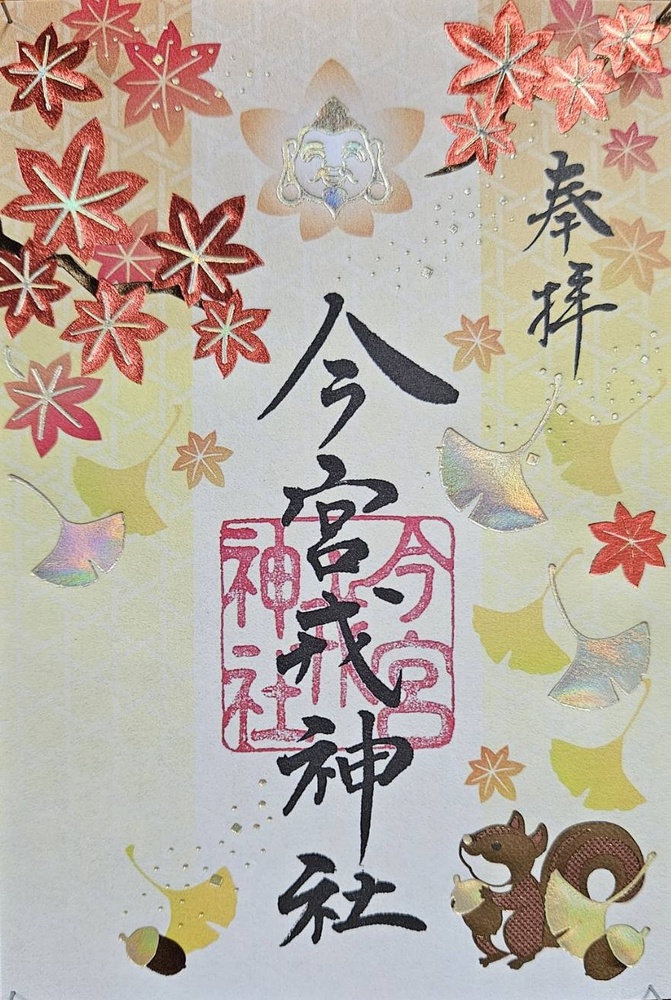
In recent years, more and more people have begun collecting goshuin (stamps) as proof or mementos of their visits to shrines. The goshuin here has a powerful look, with “Ebisu Okami” (Great God Ebisu) boldly written right in the center and a sea bream stamped at the upper right. There are also limited-edition goshuin for the current year’s Chinese zodiac animal, for Toka Ebisu, and for the four seasons. In every stamp version the gold-foil “Ebessan” (an affectionate nickname of the shrine) gleams brightly, making it a lovely keepsake of your trip.
Before you go home, be sure to walk around behind the main hall for an “ura-mairi” (back-side visit). This involves striking the silver gong behind the bamboo fence and making your request once more. Some say this is because “Ebessan has poor hearing, so you bang the gong to get his attention,” but that’s just popular folklore. It seems to have started in the Edo period as a custom among the merchants of Semba (a merchant district in central Osaka), who would first pray at the main hall and then go around the back to pray again as a way of “double-checking” their wish.
The bustle of Toka Ebisu is wonderful, of course, but leisurely visiting on a quiet weekday—choosing a charm or goshuin, or doing the back-side visit—is also highly recommended.
One-stop handling of your studies, love life, and appetite [Osaka Tenmangu]
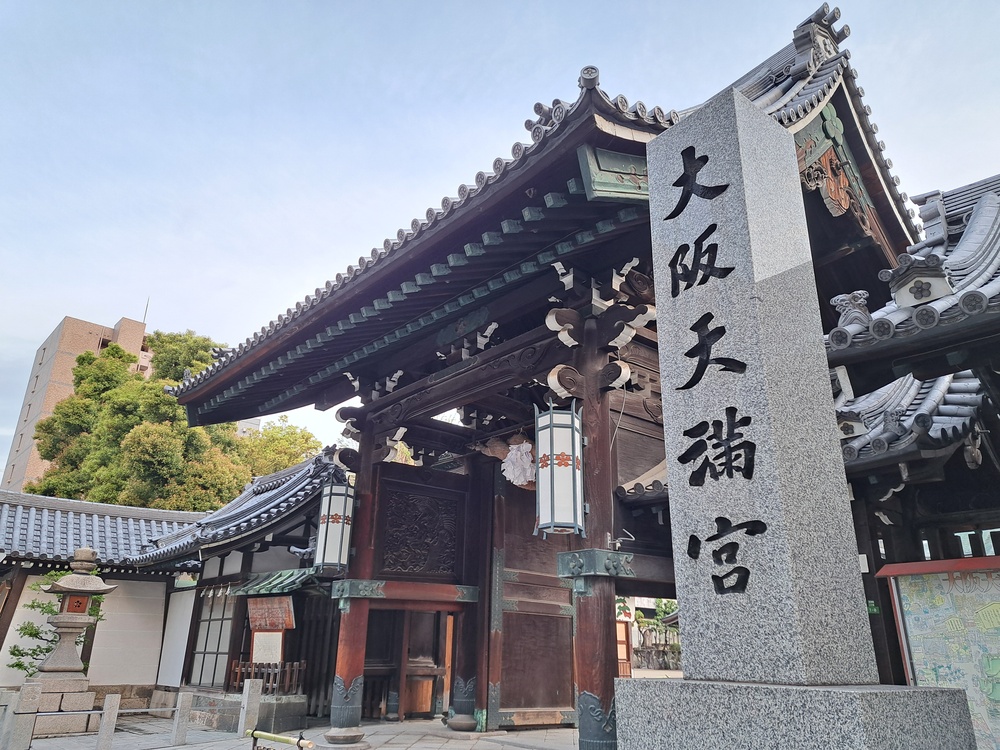
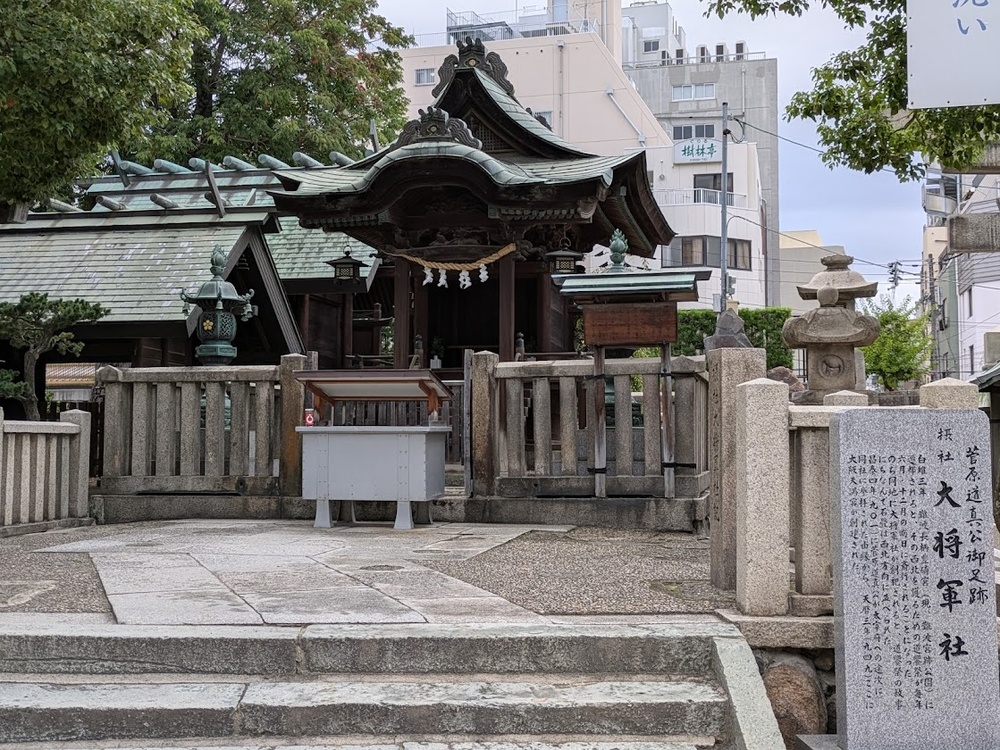
The final power spot I want to showcase is Osaka Tenmangu, famous for the Tenjin Matsuri, one of Japan’s three great festivals. Its origins are said to trace back to the Daishogun-sha Shrine, the oldest structure on the grounds.
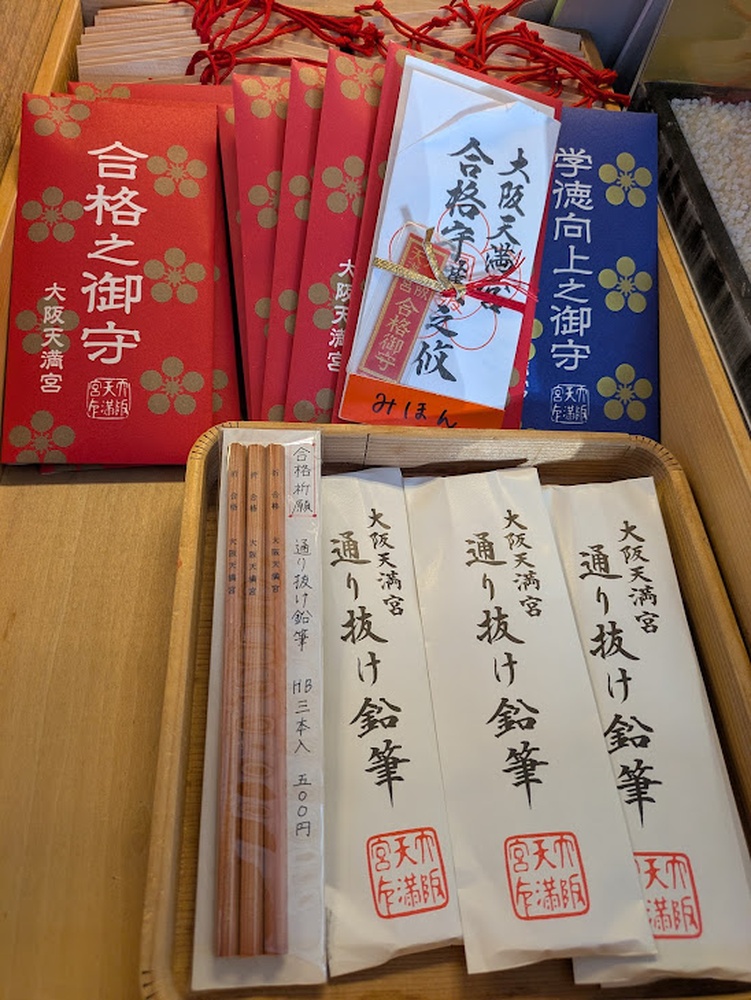
Michizane was a Heian-period noble who was said to be so gifted in scholarship that he was called a child prodigy from a young age. For that reason, Osaka Tenmangu is known nationwide among test-takers and their families as a shrine to pray for passing exams and academic success. At the charm counter, you will find a wide variety of charms for exam success.
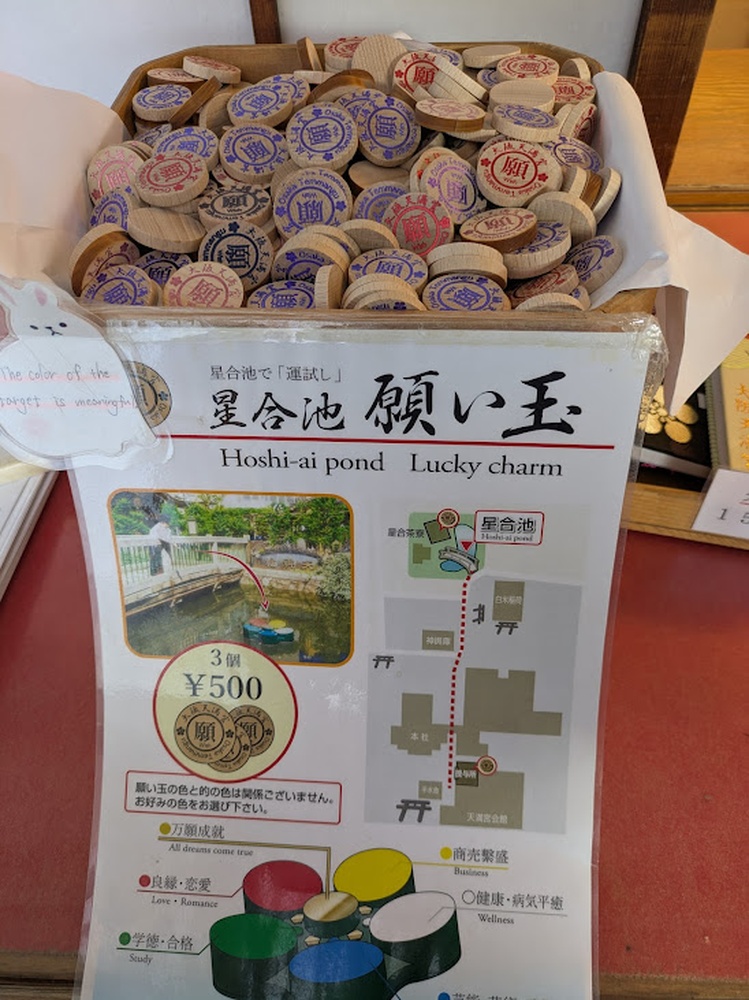
Among them, I found wooden chips inscribed with the words “Wishing Chip of Hoshiai Pond.”
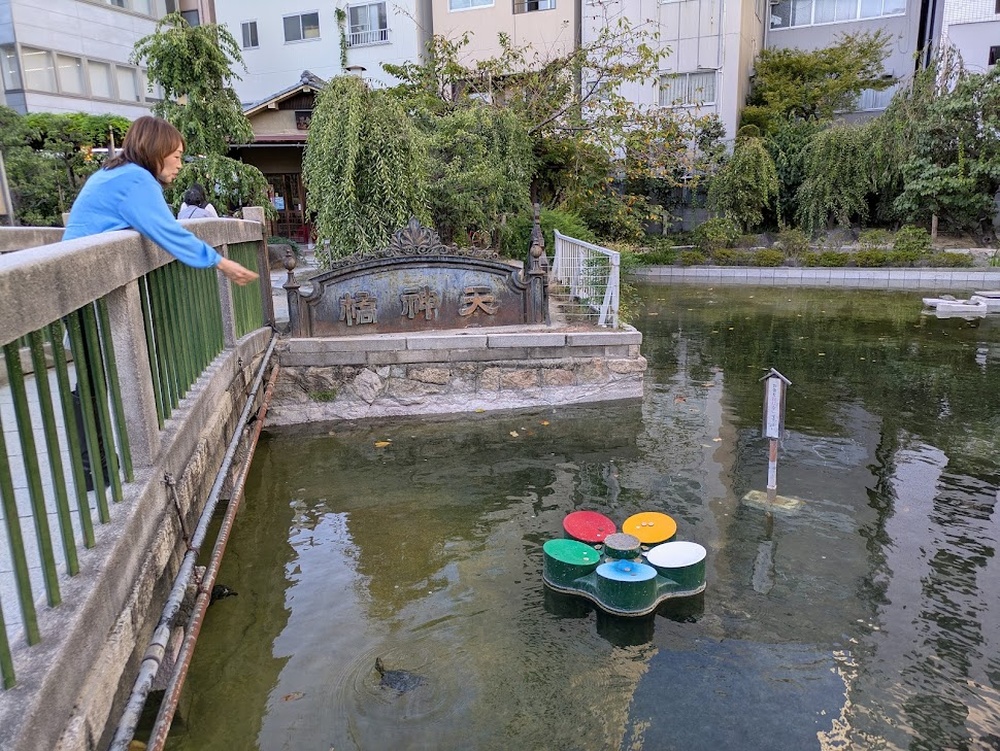
On Hoshiai Pond, there is a target shaped like a plum blossom floating on the surface of the water. The petals are colored red (good match in love), yellow (business prosperity), white (health), blue (performing arts and martial arts), green (success in exams), and gold (all wishes fulfilled). You throw the “wishing chips” at the petal color for the wish you want granted, and if a chip lands and stays on it, that means your wish will come true. Greedy as I am, I aimed for the gold petal for “all wishes fulfilled” only for the chip to miss completely and plop into the pond. The second one didn’t go well either, but the last chip landed right in the middle of all the petals. I decided to conveniently interpret that as meaning “all my wishes will come true”…
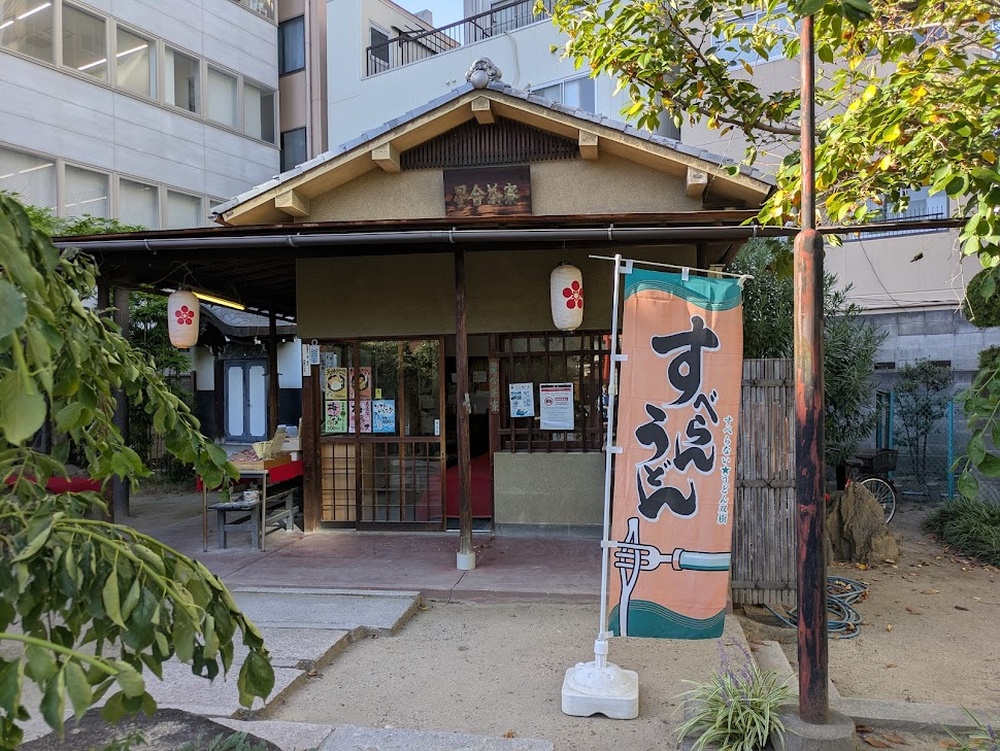
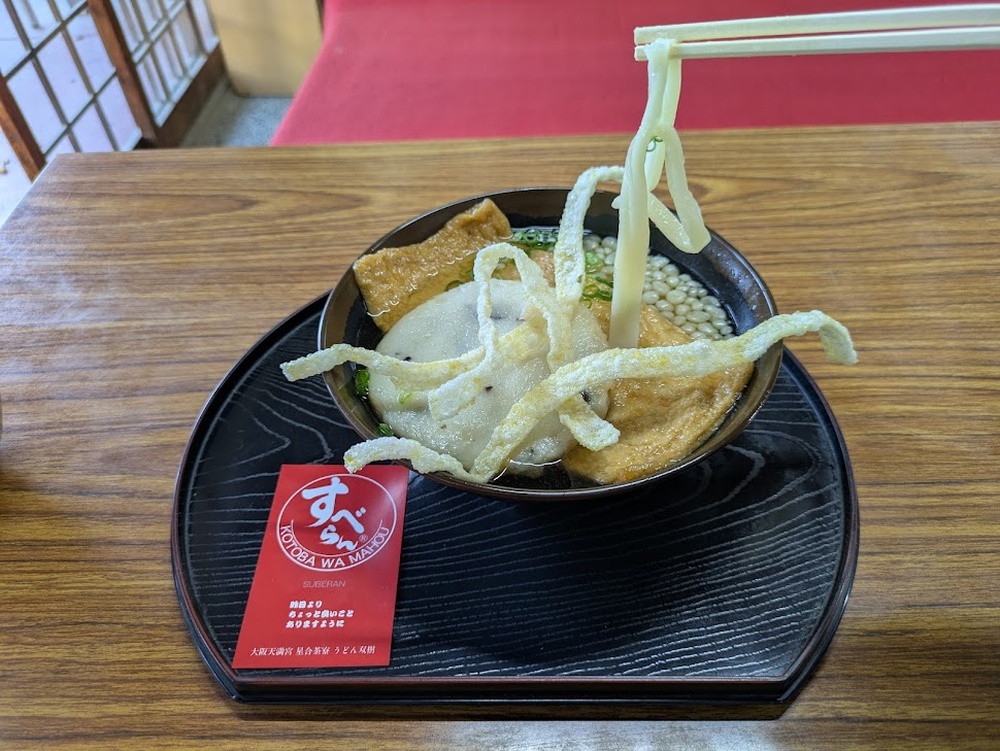
Finally, be sure to stop by Hoshiai Saryo, a must-visit for those praying for success in exams. The udon here is called “suberan udon” (non-slip udon): the noodles have lengthwise slits so they don’t slip off your chopsticks, making them a popular good-luck food among exam students who don’t want to “slip up.” They also sell dried noodles to take home, and many people buy them as late-night study snacks for test-takers.
The three shrines introduced here aren’t just great power spots, but places you can visit while learning the stories behind them. Choose the shrine that suits you and get your New Year off to a good start!
Reporting and text and Illustration by Yasuko Sensyu
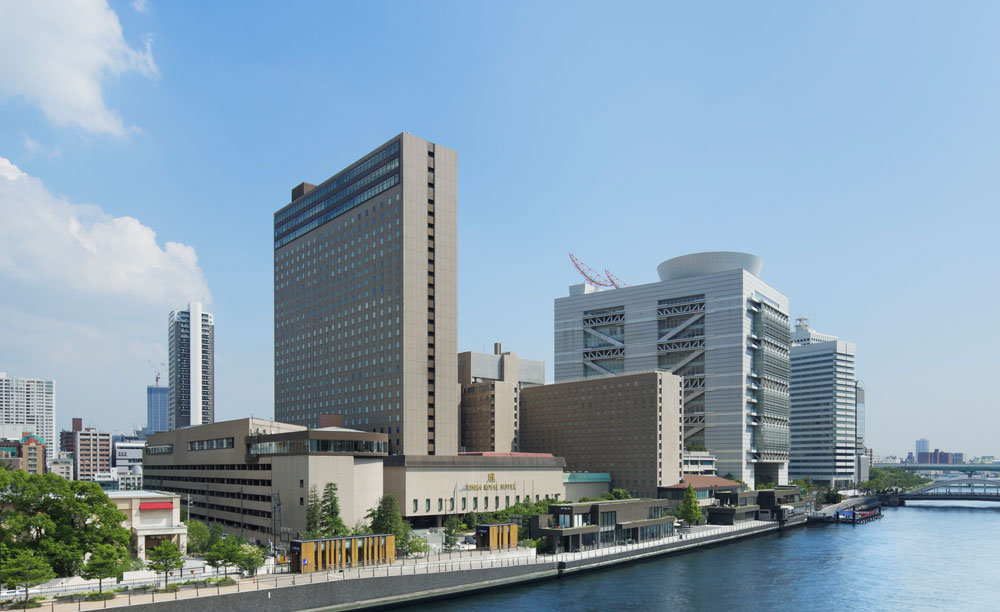
RIHGA Royal Hotel Osaka,
Vignette Collection
TEL +81 (0)6-6448-1121
5-3-68 Nakanoshima, Kita-ku, Osaka, JAPAN
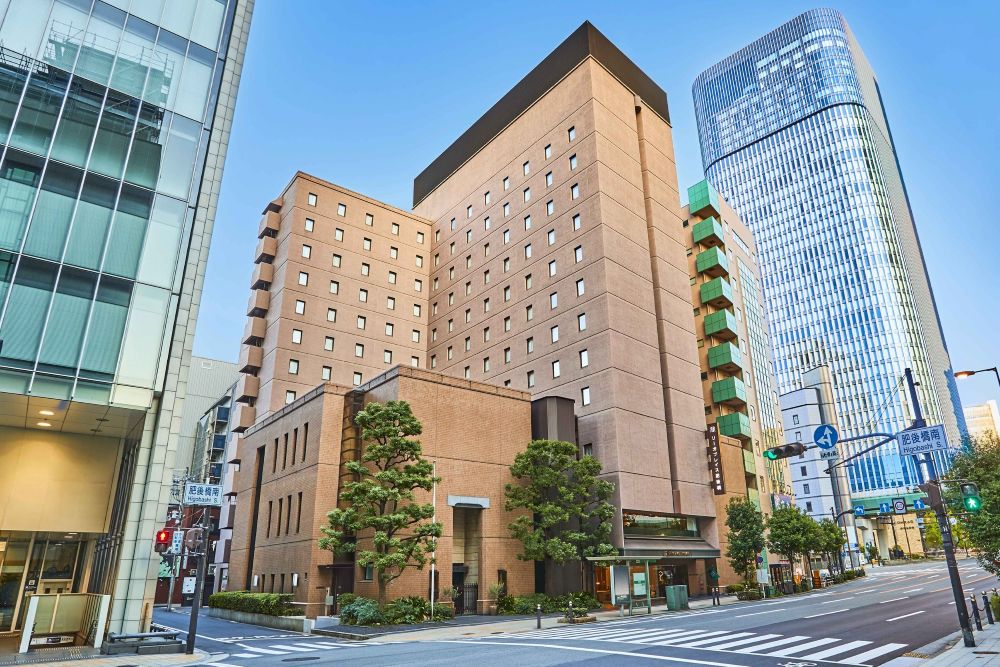
RIHGA Place Higobashi
TEL +81 (0)6-6447-1122
1-13-10 Edobori, Nishi-ku, Osaka 550-0002, Japan
ANCHORED by RIHGA Osaka Namba(Opening April 2026)
6-16,5-chome, Nipponbashi, Naniwa-ku, Osaka, Japan,5560005, Osaka, Japan
【DATA】
Sumiyoshi Taisha
2-9-89 Sumiyoshi, Sumiyoshi-ku, Osaka, JAPAN
TEL +81(0) 6-6675-3591
From RIHGA Royal Hotel Osaka, take the shuttle bus to JR Osaka Station, then take the Osaka Loop Line to JR Shin-Imamiya Station. Switch to Nankai Shin-Imamiya Station and go to Sumiyoshitaisha Station. Then walk about 3 minutes east.
Imamiya Ebisu Shrine
1-6-10 Ebisunishi, Naniwa-ku, Osaka, JAPAN
TEL +81(0) 6-6643-0150
From RIHGA Royal Hotel Osaka, take the shuttle bus to JR Osaka Station, then take the Osaka Loop Line to JR Shin-Imamiya Station. Switch to Shin-Imamiya Station on the Nankai Koya Line and go to Imamiyaebisu Station. From there it’s just a short walk east.
Osaka Tenmangu
2-1-8 Tenjinbashi, Kita-ku, Osaka, JAPAN
TEL +81(0) 6-6353-0025
From RIHGA Royal Hotel Osaka, walk to Keihan Nakanoshima Station and take the train to Naniwabashi Station. Then walk about 12 minutes northeast.
Our Guide
Yasuko Sensyu
Born in Osaka Prefecture, Yasuko Senshu graduated from design school and when one of her drawings was used in an advertisement at age 20, she launched a career as a freelance illustrator. Making full use of her sense of color and a unique line quality backed by a seventh-dan rank in calligraphy, she worked mainly on magazines and advertising through the 1990s. Since the 2000s, she has created designs for Yakult’s artistic vending machines, concert merchandise for Yumi Matsutoya, goshuin stamp books, and the goshuin for Chogosonshi-ji Temple on Mount Shigi in Nara Prefecture and Seisui-ji Temple in Okayama Prefecture. In recent years she has done logo and illustration work for the west coast area of Awaji Island and private-brand illustrations for Ikari Supermarket, while also expanding her activities overseas to places such as Singapore, Melbourne, and Manila.
*Unless otherwise noted, prices include tax and service charges.
*Operating hours at each facility are subject to change.