Behind the Scenes at the Osaka-Kansai Expo’s Guest House: At the Heart of RIHGA Royal Hospitality -Tradition and an Enterprising Spirit Passed Down from Expo ‘70 in Osaka-
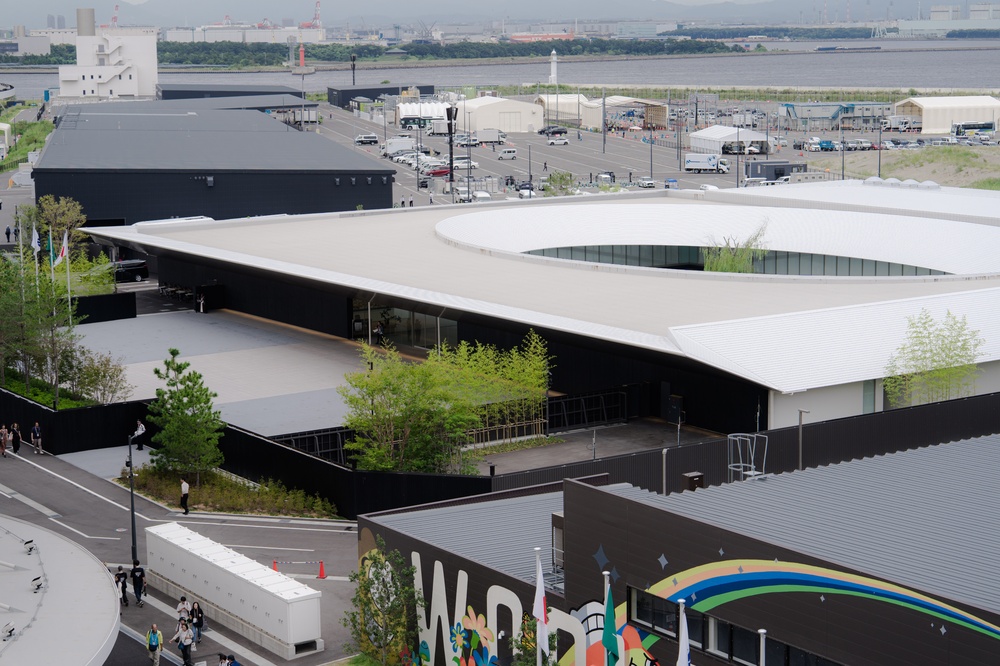
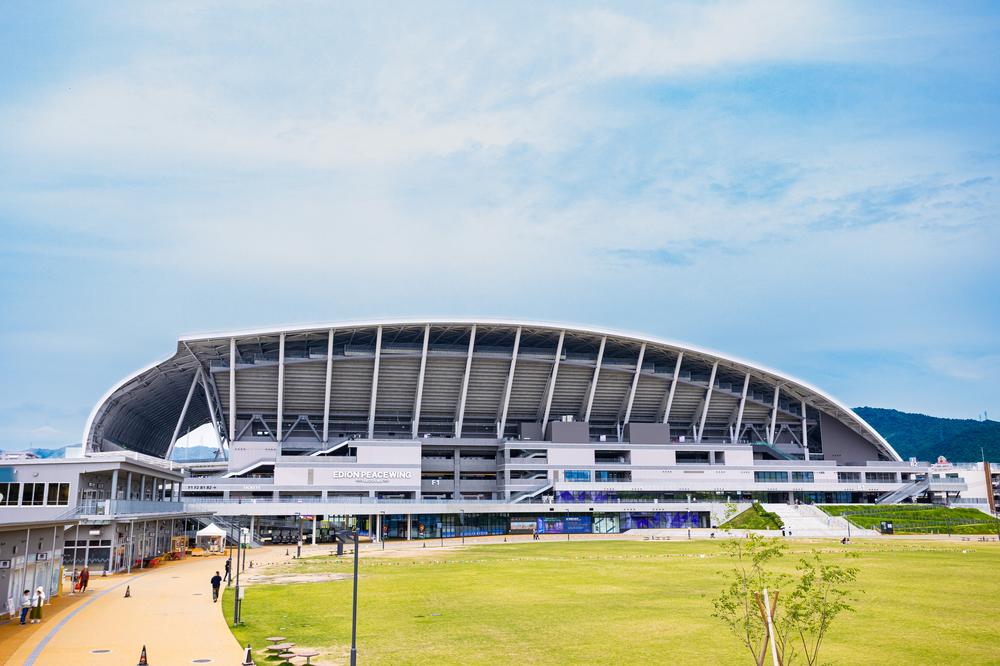
In October 2025, Expo 2025 Osaka, Kansai, Japan came to a successful close after a six-month run. Amid the array of spectacular pavilions, the Guest House was a quiet presence, its existence kept secret for security reasons.
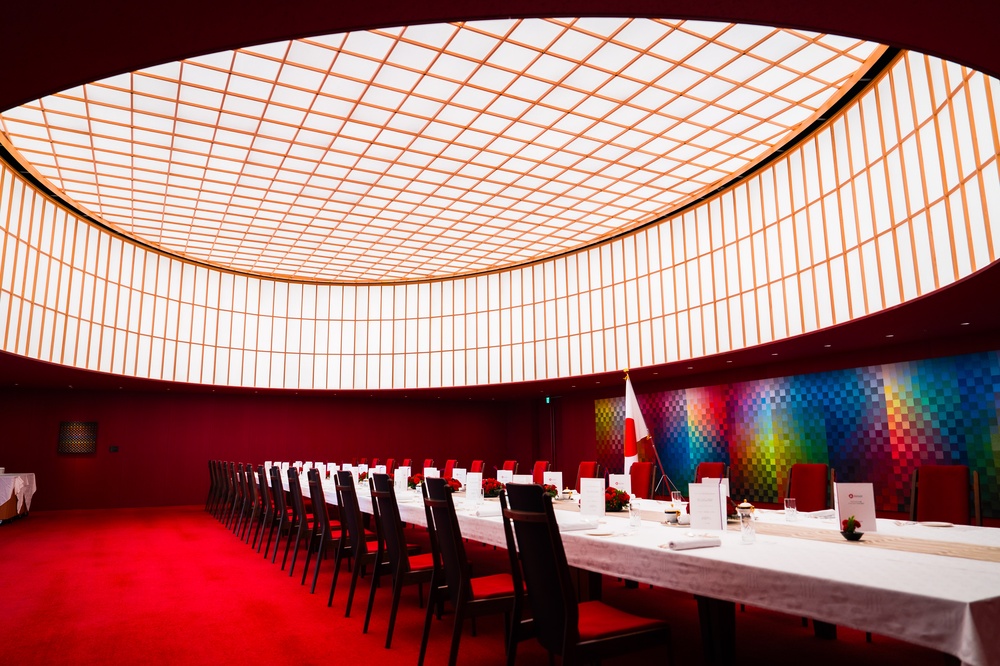
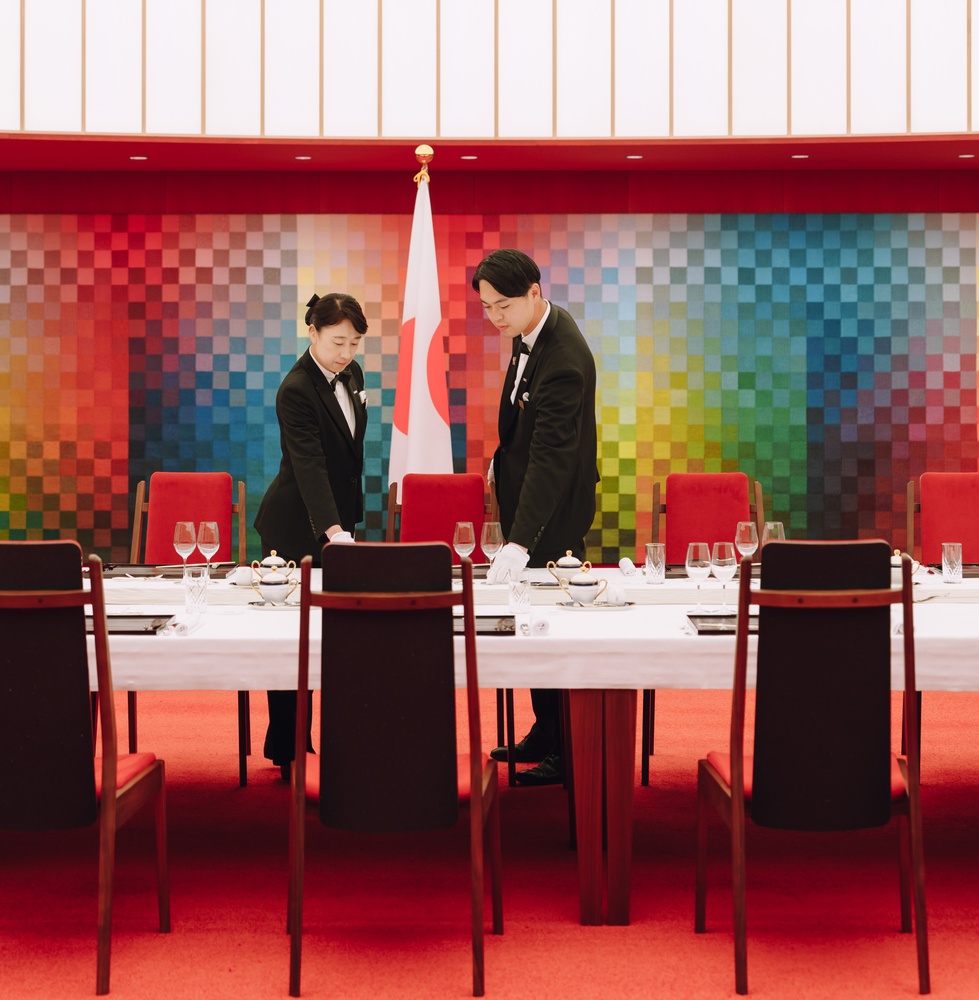
Luncheons and dinners were held daily during the Expo to welcome dignitaries from around the world—including members of the Japanese Imperial Family, kings, and presidents—for National Day and Special Day events. RIHGA Royal Hotel was entrusted with operating the Guest House. This marked RIHGA Royal’s second time managing the Guest House, following on its first assignment at the Japan World Exposition Osaka 1970 (Expo ‘70). But what was the hospitality like?
We spoke with three key figures responsible for the critical areas of operational oversight, service, and cuisine for the Expo.
A sense of pride underpinned the hospitality provided to distinguished guests: RIHGA Royal is Osaka’s standard-bearer
Tomoyuki Yamane, Director of the Expo 2025 Operations Office
“VIPs visited the Expo Guest House every day, including members of the Imperial Family, as well as heads of state and ministers from 158 countries and 7 international organizations. The atmosphere was always tense.
My primary role was to serve as a liaison between the Expo site and RIHGA Royal Hotel Osaka. With so many visitors coming from around the world, large numbers of guests required accommodation, along with incidental needs for banquets and receptions. Countless inquiries and requests related to the Expo came in, and internally, a system developed where all information came to me first.
I reviewed the content of each request, communicated it to the appropriate department within the company, and worked to ensure arrangements proceeded smoothly. Different countries have different people, each with their own food culture and way of life, so researching the countries our guests came from was essential.
While I had few opportunities to interact directly with guests at the Expo site itself, I had many encounters at the hotel. Through planning meetings for banquets and other events, I had wonderful encounters with people from countries I’d never known much about. I found myself feeling an affinity for their countries and becoming curious about them, leading me to think that someday, if I have the chance, I’d like to visit… I felt that an exciting cycle of connections like this could lead to world peace.
When the Expo operations came to a successful close and I was asked, ‘What are your thoughts on the experience?’ my answer boiled down to one thing: ‘It was long…!’ (laughs). I’d had experience with international conferences like the G20 and G7 before, but those were short, intense projects lasting about a week, so six months really was a long time. That said, RIHGA Royal Hotel was entrusted with operations for Expo ‘70 in Osaka and the International Garden and Greenery Exposition, Osaka, Japan, 1990 (Expo ‘90) as well, so I was confident that we had properly inherited the know-how from our predecessors.
There’s no doubt that our staff came together as one to tackle this major project with pride in RIHGA Royal’s status as a standard bearer in Osaka. My mission was to provide ongoing support for everyone’s passionate commitment.”
I was proud to be on the front lines of service on our national team, as a representative of the host country
Kiyokazu Okochi, Manager of the Expo 2025 Guest House
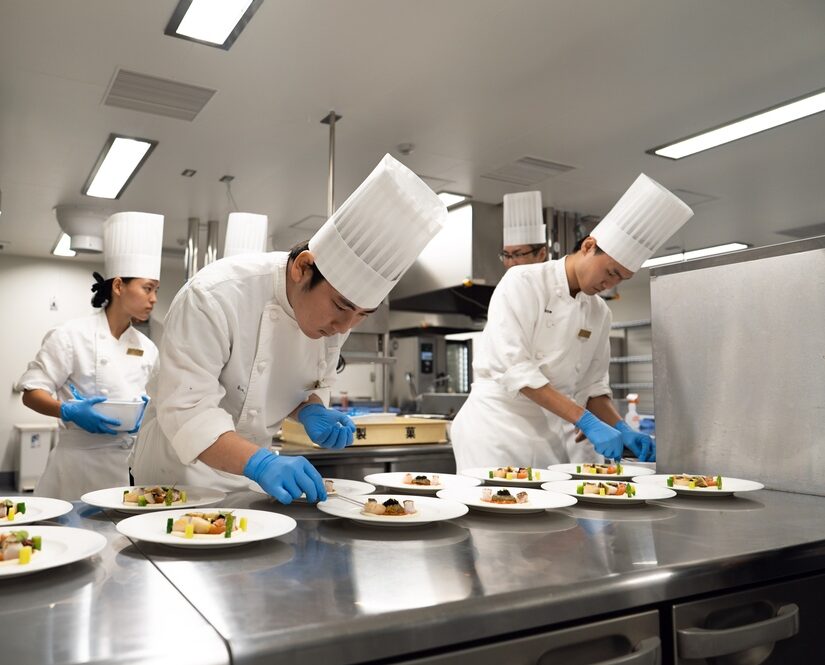
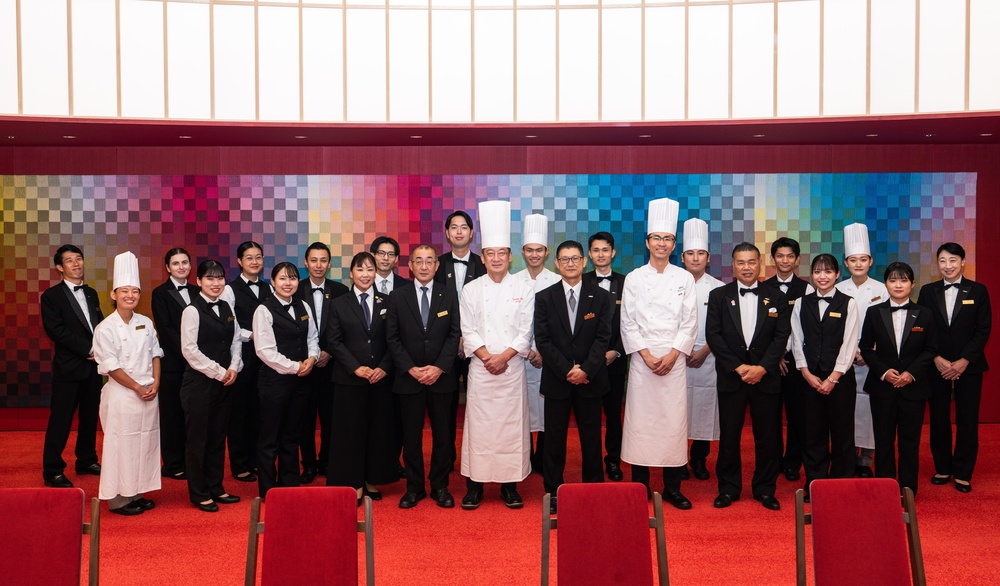
“For these Guest House operations, we assembled a team of about 25 people, with service and culinary support staff coming not only from Osaka but from hotels across the group. My first task as manager was to bring these members together. Some had come from far away and weren’t accustomed to life in Osaka, so I made it a point to communicate with them as much as possible to foster a sense of team unity.
What mattered most on the ground was maintaining close communication with Head Chef Rei Watanabe. Accommodating allergies was particularly important when serving food, so we were thorough about advance confirmation and coordination. It was also essential to verify in advance that our understanding of religious and cultural diversity aligned with the information provided by the Expo Association.
The Expo Guest House was a place where dignitaries from Japan and abroad sat together at the same table for the first time. Since the primary purpose was to strengthen friendly relations, we kept food service to a minimum number of courses so as not to interrupt their conversations.
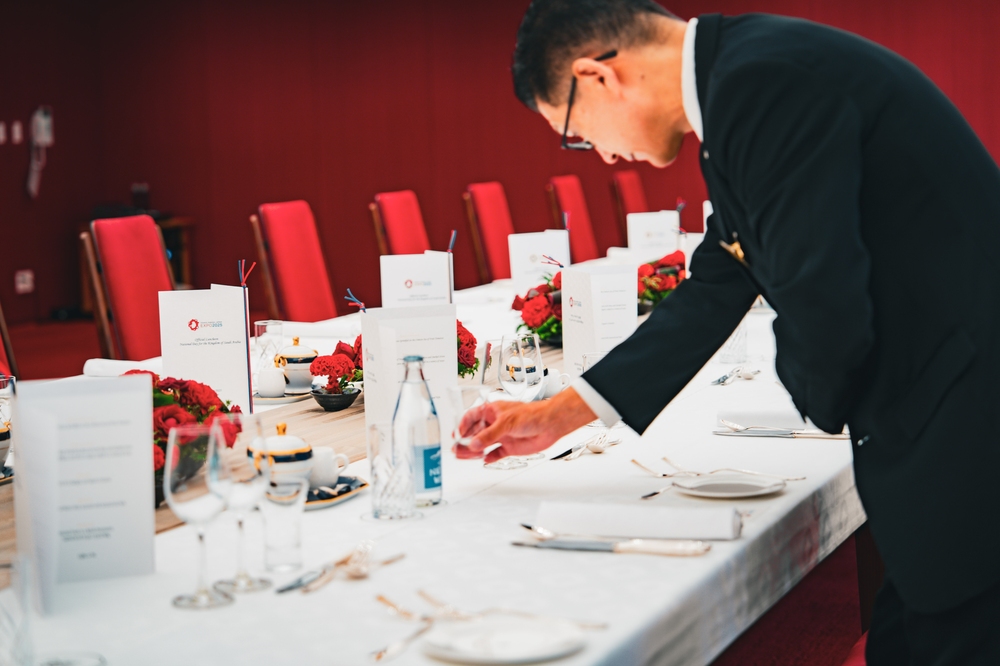
However, even with thorough preparation, unexpected changes occurred routinely at luncheons and dinners, such as a sudden increase of one guest. Furthermore, while meal start times were often delayed, finishing times had to be strictly observed. As a result, we sometimes had to adjust the progression minute by minute, devising ways to modify how we set up dishes and the timing of when we served them.
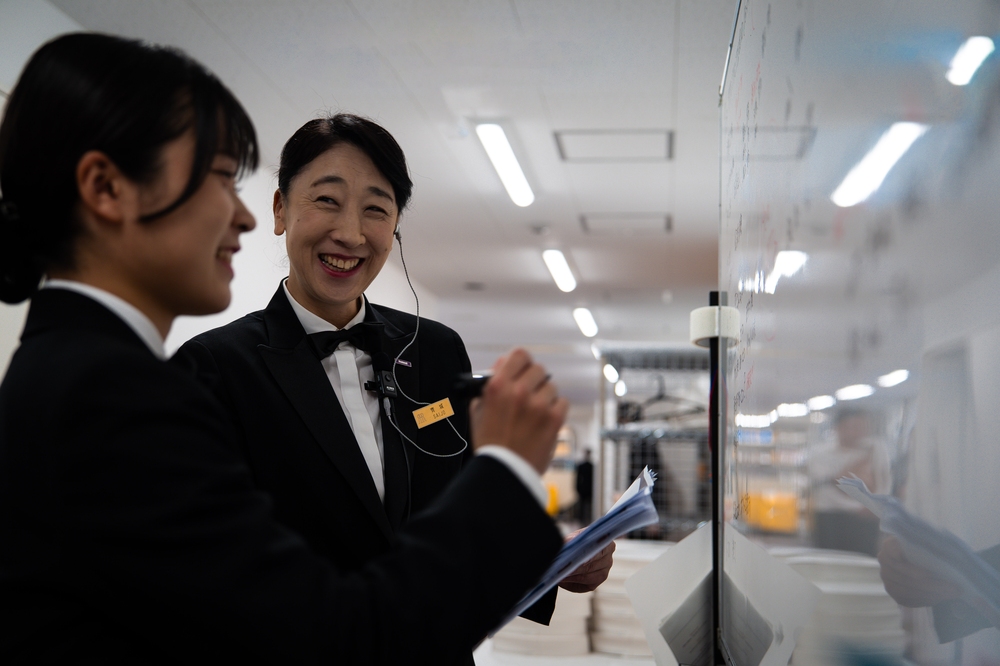
Every morning, we held a meeting with the entire team to double- and triple-check the schedule, precautions, seating arrangements, and so on. Additionally, as a final confirmation with everyone, I always asked, “Does this all make sense to you?” This was to confirm that they truly understood what was being discussed, and we made it a rule to resolve any uncertainties right then and there.
I believe we were able to see this project through safely and securely for six months because we worked hard as a team. Every staff member approached their work with the resolve to stand on the front lines of service in the Guest House every day, representing not only the name of the RIHGA Royal Hotel but also Japan as the host country.
For our younger staff, I’m sure it was constant tension and anxiety, but I think this experience will prove tremendously valuable to them. If the day comes when another Expo is held in Japan, I expect they will solidly carry on the baton of hospitality and pass it forward to the next generation.”
Thanks to the ultimate team, we accomplished a huge, extremely challenging project
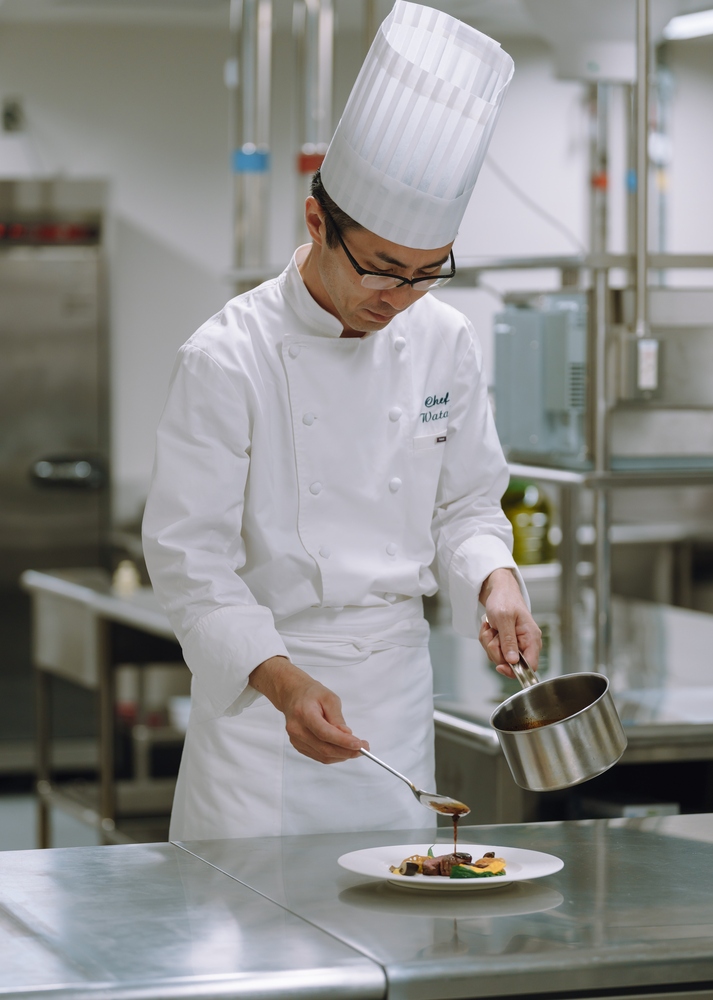
Rei Watanabe, Head Chef, Expo 2025 Guest House
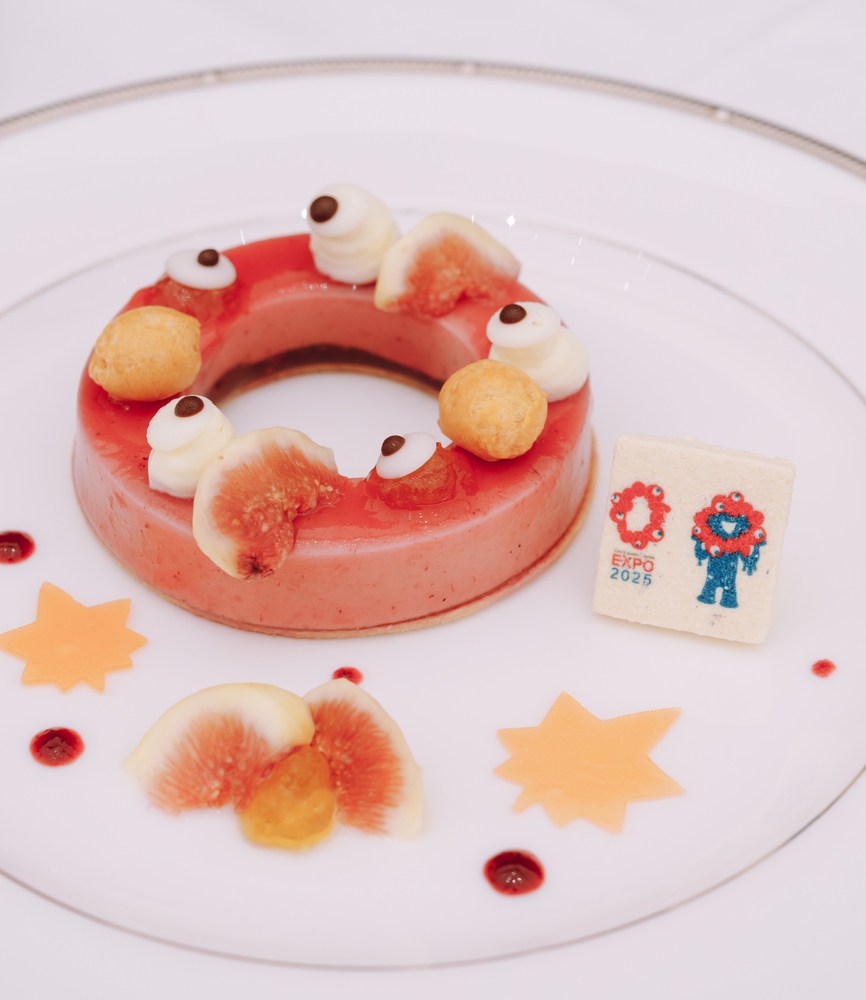
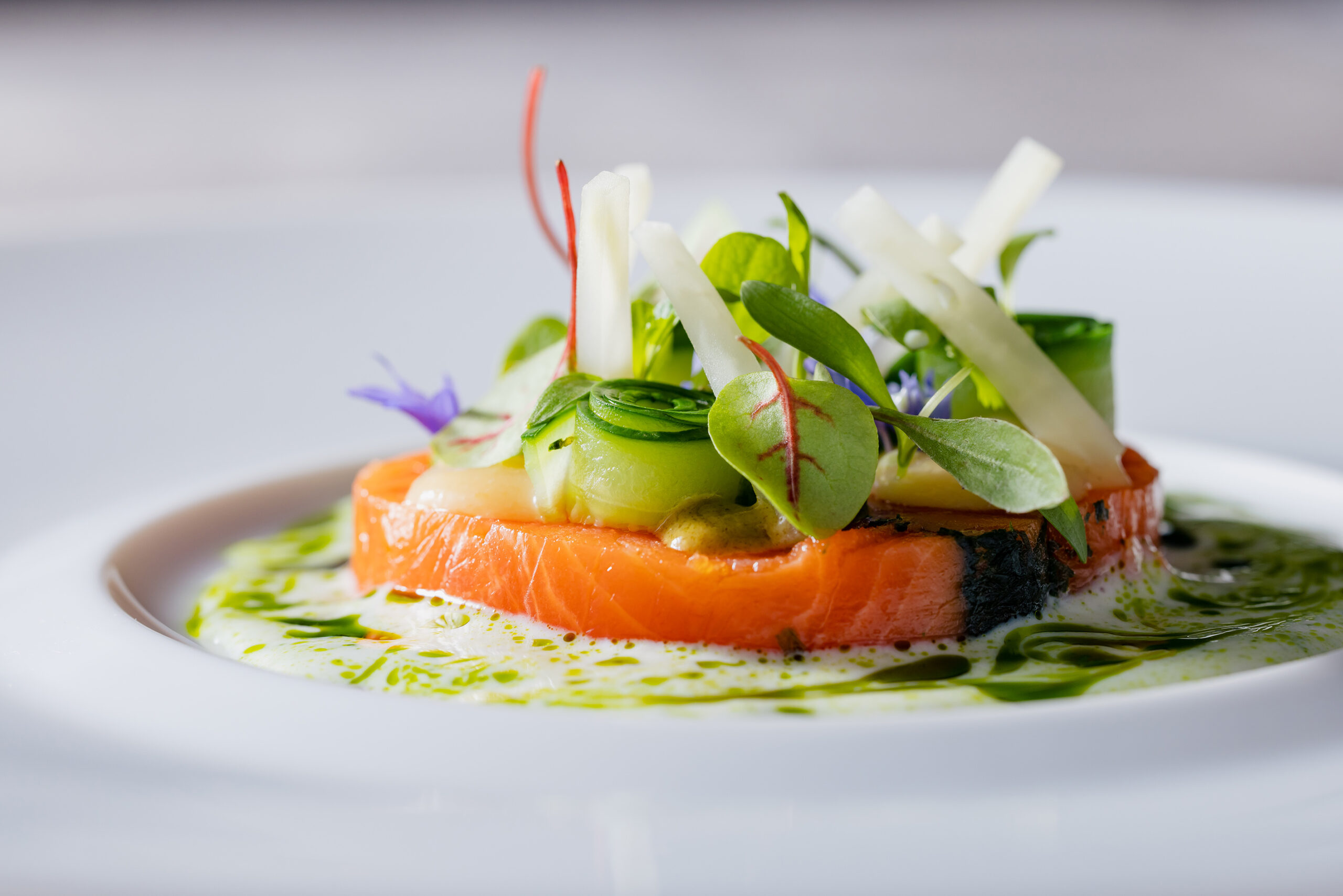
“When I was offered this position, I realized that only one person in the world could be the Head Chef of the Expo 2025 Guest House, and that an opportunity this significant was extremely rare. I felt honored, but at the same time I also felt the pressure. However, since I accepted the challenge, I wanted to serve dishes with a meaningful message, so I decided to base the culinary concept on “Life,” inspired by the Expo’s theme of “Designing Future Society for Our Lives.”
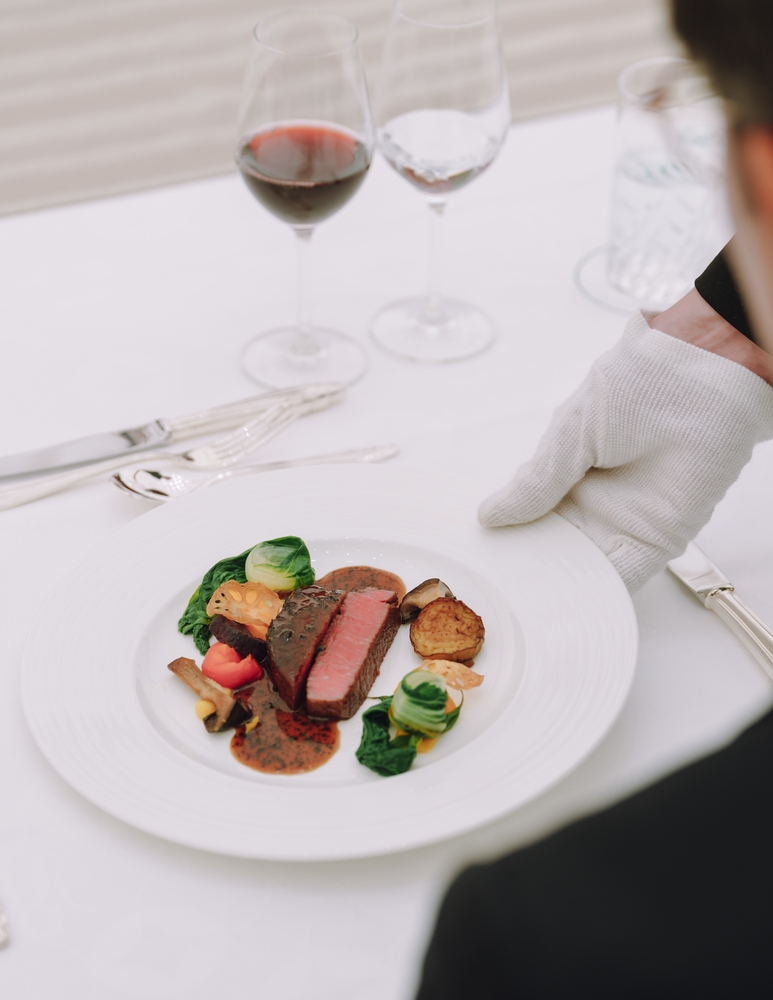
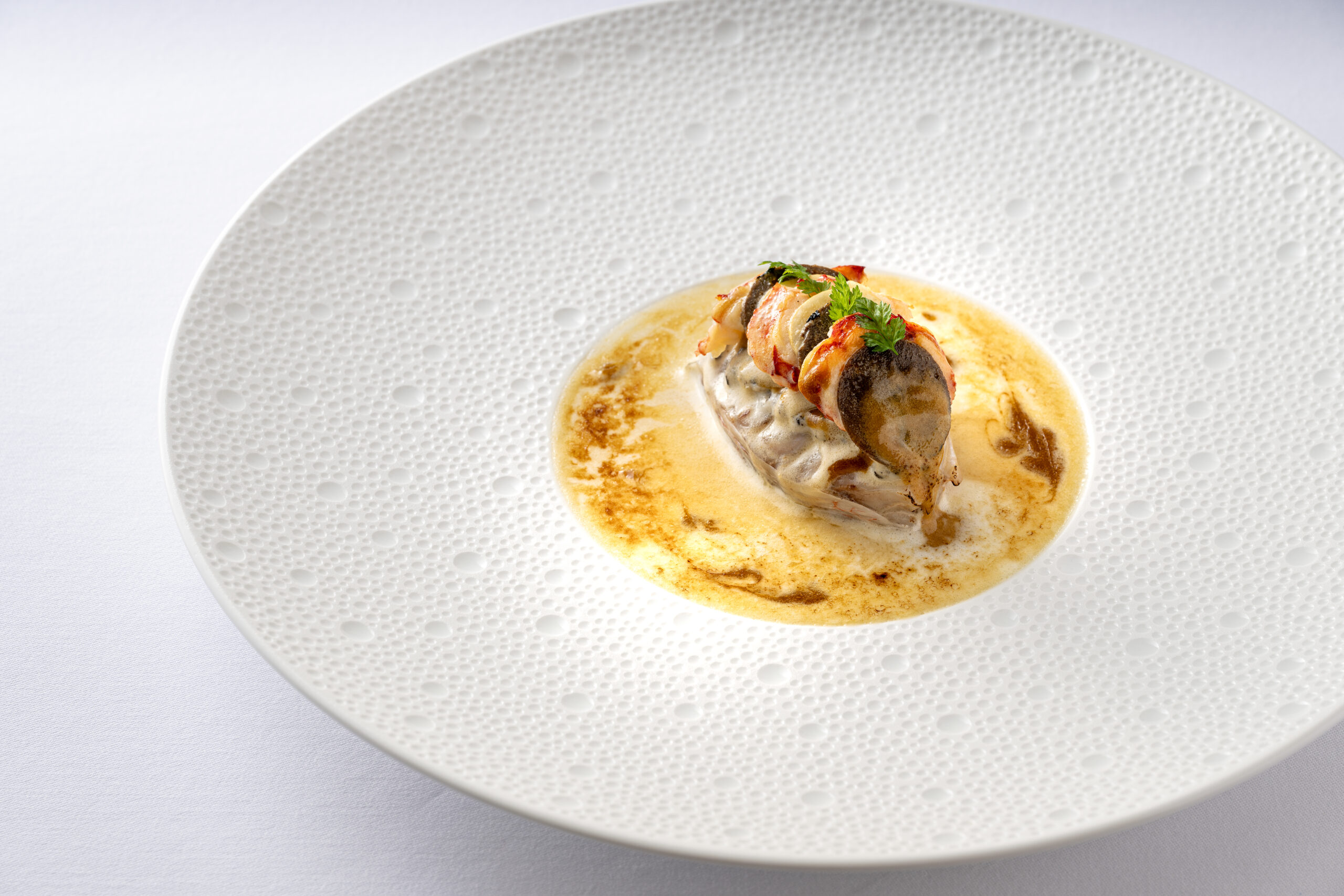
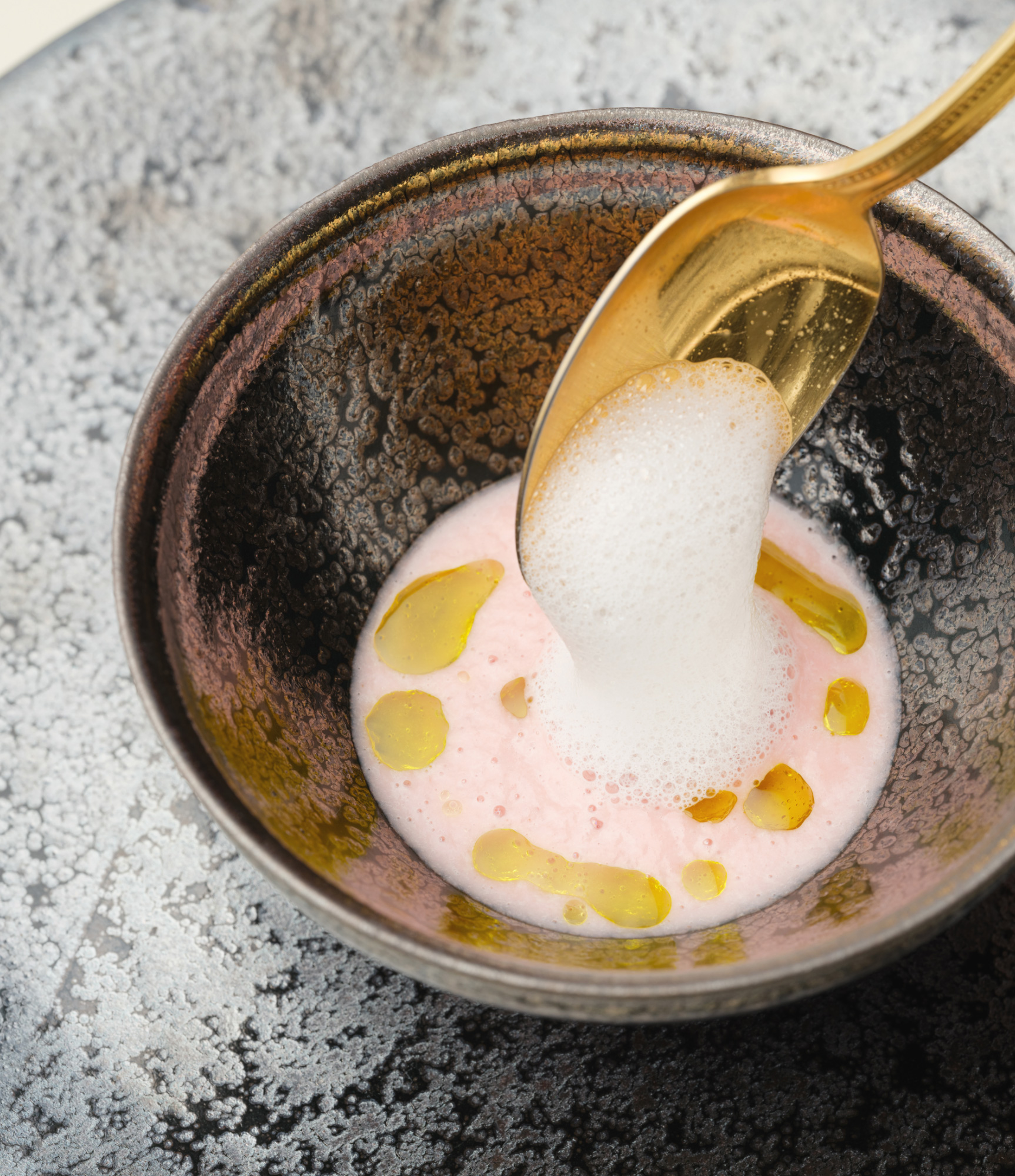
With that in mind, I thought about how Japan is an island nation surrounded by the sea, and how the ocean is the “source of life,” so I wanted to create dishes that made abundant use of seafood. Then the Noto Peninsula earthquake occurred in January 2024, and I visited the affected areas. Out of a desire to support the disaster-stricken region, I decided to use ingredients from Ishikawa Prefecture. I also researched the religions and food cultures of countries around the world and decided to exclude pork and alcohol, which are prohibited in Islam, from our ingredients. In my 25 years since joining the Royal Hotel, my basic approach to cooking has been to cherish the traditional flavors passed down continuously from the chefs who came before me while creating French cuisine in my own style that suits modern tastes. However, not using any alcohol—which adds richness and umami to sauces—was a first-time challenge for me. After much trial and error, I decided to make the sauce using stock from well-browned beef tendons. Even without alcohol, I was able to create a delicious sauce with richness and umami, and that brought fresh surprise and joy. I think it was precisely because of the restrictions that I was able to make new discoveries. I intend to make use of this sauce at the hotel going forward.
We had five kitchen staff members, and from the start, the Guest House Manager Kiyokazu Okochi told us, “Let’s work as a team!” which was very reassuring. The service staff delivered the dishes we put our hearts into to guests in the best possible condition. I truly felt we were a unified team. For the young kitchen staff, I’m sure it was a demanding six months, but I think they gained invaluable experience they couldn’t have gotten anywhere else. They might even aim to become Head Chef at the next Expo. I hope they will be inspired by this Expo’s mascot, and pass on our passion myaku-myaku—that is, unbroken from one generation to the next.”
Interviews and text by Mae Kori