Amazing Artistic Experiences in Hidden Gem Retreats in the Sky. A Journey That Begins from the Park Hotel Tokyo
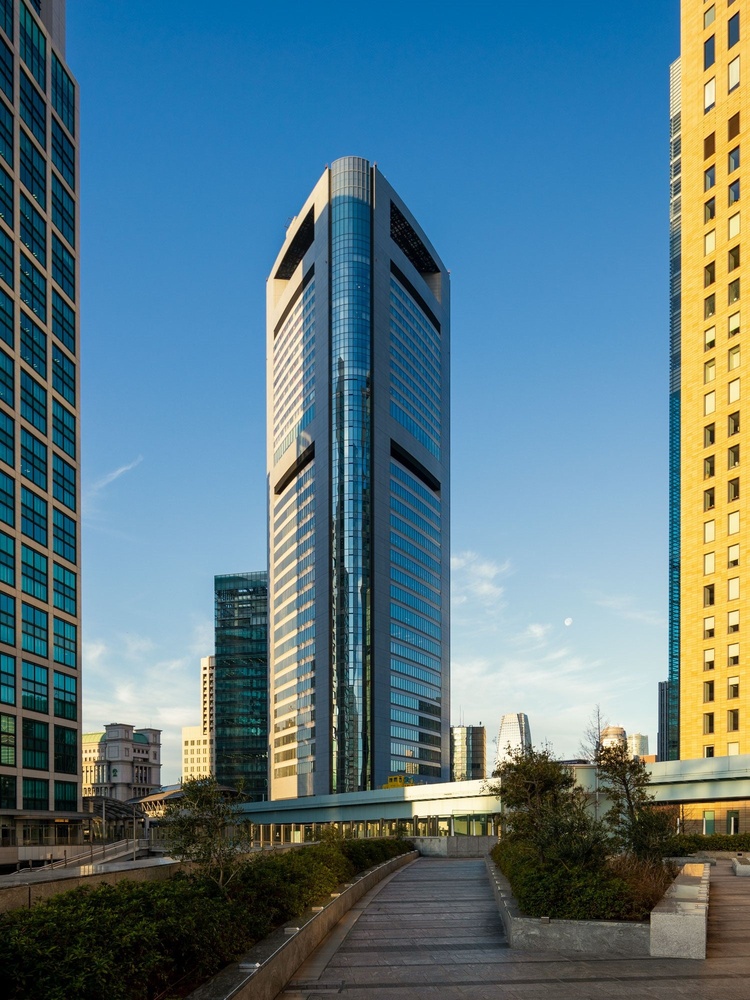
In the fall of 2024, the Shiba Park Hotel and Park Hotel Tokyo in Minato City, Tokyo joined RIHGA Royal Hotels. For this article, Kei Ishigaki, an editor at the publishing company Beacon, will guide us through the Park Hotel Tokyo—which opened in Shiodome in 2003, and has been much talked about for its “spaces in the sky overlooking the city center, as well as its sophisticated art experiences.” Kei will also guide us around some of the local area’s tourist attractions.
In-house art showcasing Japan’s aesthetic beauty
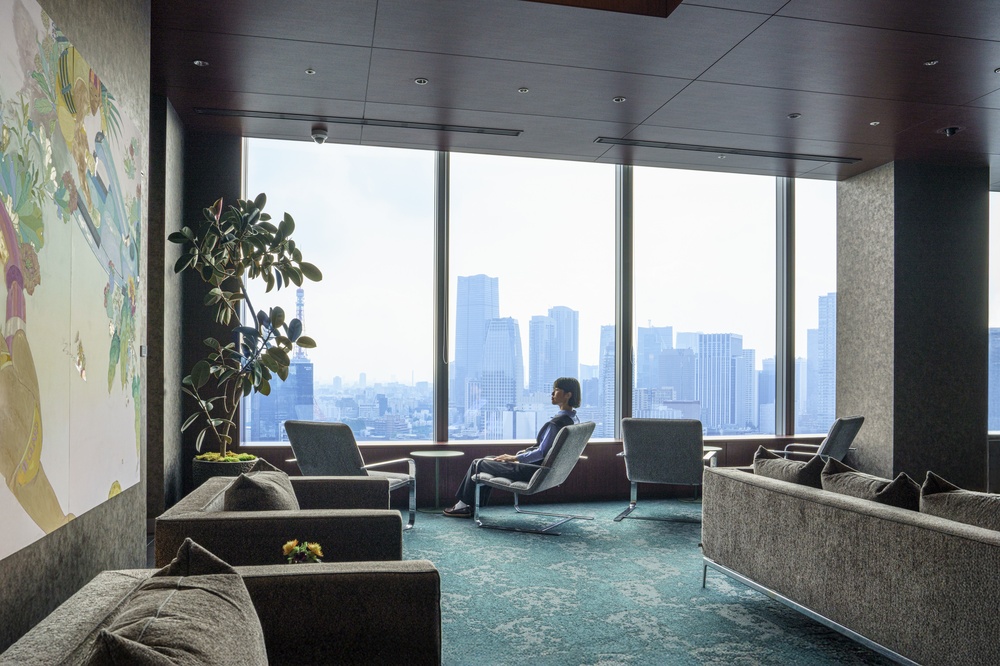
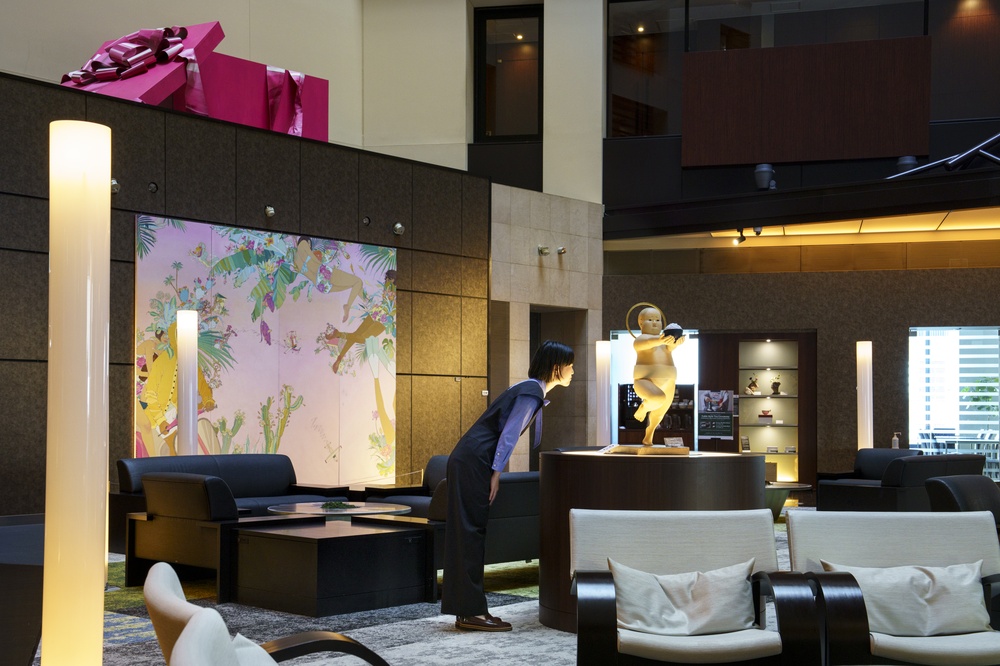
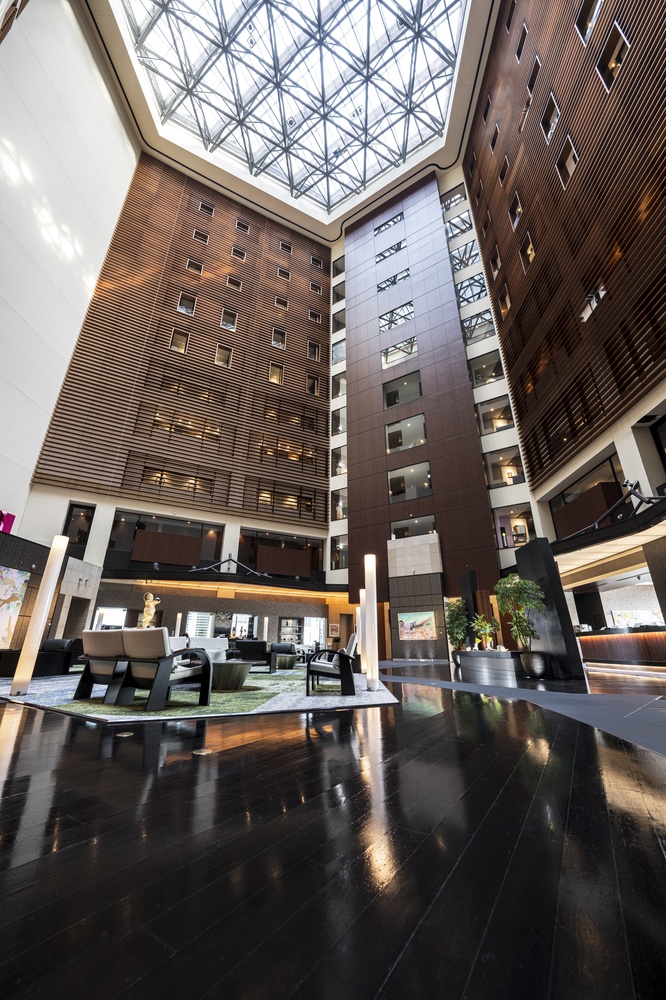
The Park Hotel Tokyo is located on the 25th through 34th floors of the Shiodome Media Tower in the heart of the Shiodome area. It is blessed with excellent public transportation access, just a 1-minute walk from Shiodome Station on the Yurikamome and Toei Oedo lines, and a 7-minute walk from JR Shimbashi Station. The spacious atrium and refined lounges offer views of landmarks such as Mount Fuji and the Tokyo Tower. Based on the concept of “infinite time and space amid cognizant Japanese beauty,” the hotel features diverse art exhibitions, Artist Rooms, and other unique features—providing a unique and exceptional stay that has made it popular with guests from both Japan and abroad.
First-time visitors to the Park Hotel Tokyo will likely catch their breath at the inviting tranquility that envelops the reception area on the 25th floor, the atrium rising above it, and the numerous dynamic art displays. Here, there is an exhibition called “ART colours” which expresses the changing mood of the seasons through time and space in spring, summer, fall, and winter. The guest-only lounge overlooking the streets of Minato City is another popular spot. Of course, the nighttime views are superb, but the hotel staff’s special recommendation is “Tokyo just before dawn.” Enjoying the morning view with a cup of coffee apparently leaves you feeling wonderfully refreshed.
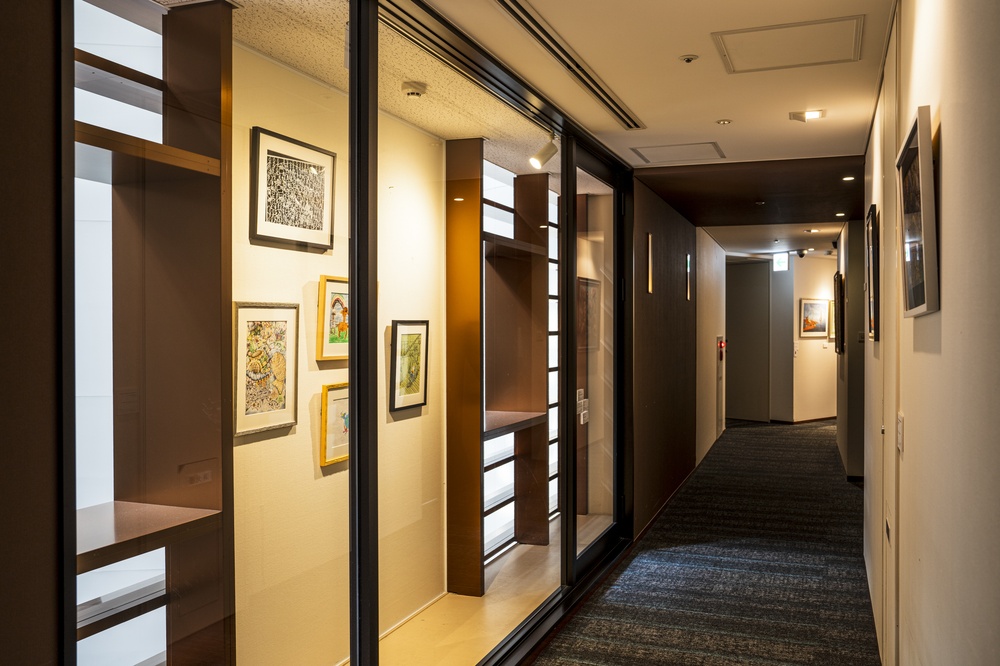
Diverse artworks are displayed throughout the hotel, reportedly around 400 pieces in total. Various art exhibitions are presented on each guest floor as Corridor Galleries, including showcases by international galleries and collectives, The Artisan’s Life Exhibition displaying the beauty of craftsmanship from the Edo period that continues to this today, and Paralym Art exhibitions presenting pieces by artists with disabilities. All feature works by notable artists, primarily from Japan, and many pieces are available for purchase. A welcome option is the Audio Tour, which allows visitors to listen to profiles of each floor’s exhibitions by scanning QR codes with their smartphones.
Artist Rooms add color to your Tokyo stay
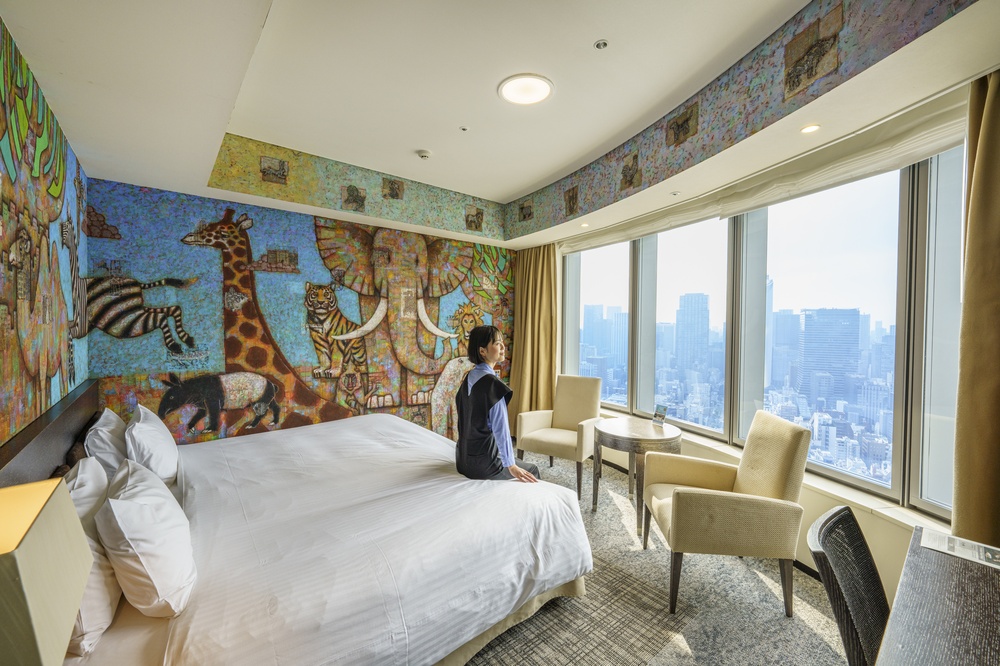
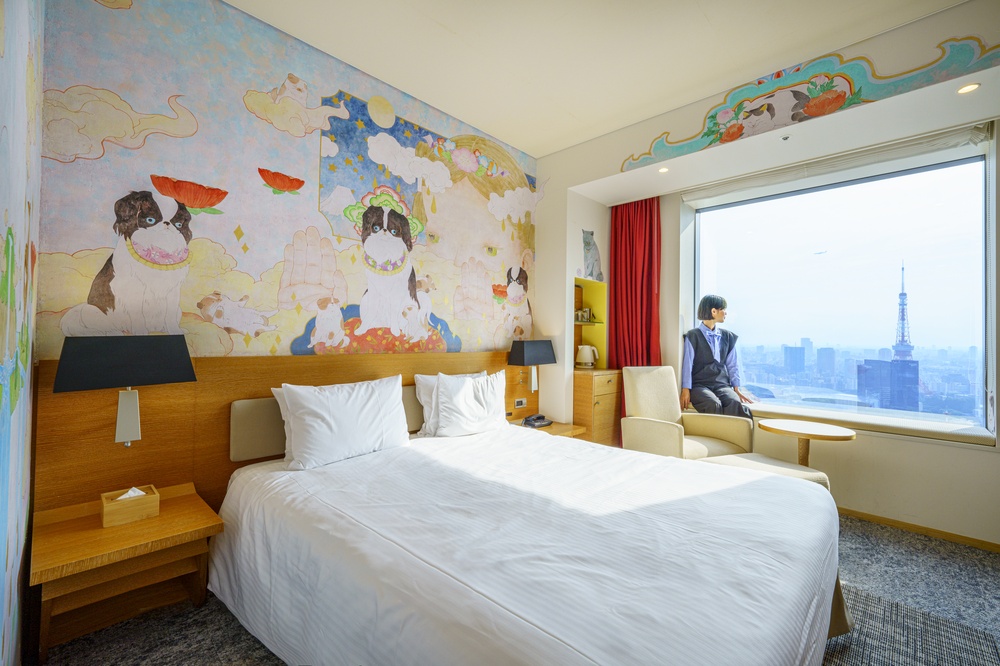
A special experience unique to the Park Hotel Tokyo is staying in an Artist Room. These distinctive rooms were born from a project in which artists create their works while staying at the hotel, and since 2012, 49 rooms have been opened. According to hotel staff, the project began with the desire to “have guests enjoy art in the guest rooms where they spend the most time in the hotel” and to “provide guests with a special art experience.”
I visited several Artist Rooms right away. Room 3404, created by Yumi Hosaka and titled “Kawaii,” has an immersive quality that makes you feel as though you’ve stepped into the world of ukiyo-e or Japanese Nihonga painting, yet there’s also a wonderful sense that you could somehow relax here… The backstory is that the room was created with Japanese aesthetic sensibilities in mind, while also envisioning how guests would spend their time. The best part is the cute cats, dogs, and deer—their faces full of personality. It’s a room that makes you want to stay in this space forever.
From rooms with titles that directly embrace motifs like Cherry Blossoms, Mount Fuji, and Samurai, to modern art with subcultural contexts… Japanese beauty is depicted through diverse interpretations, with no two rooms alike. As a one-of-a-kind stay experience, these rooms bring many guests a sense of attachment and comfort in having “their own special space.”
Strolling through Ginza: Tradition meets innovation in Tokyo’s eternal first-class location
The Park Hotel Tokyo’s prime location offers easy access to Ginza, the iconic Tokyo neighborhood known for its luxury and culture. Here we’ll take a look at everything from Ginza’s famous old establishments to the latest hotspots. Why not experience the spirit of tradition and innovation that are legacy of this neighborhood?
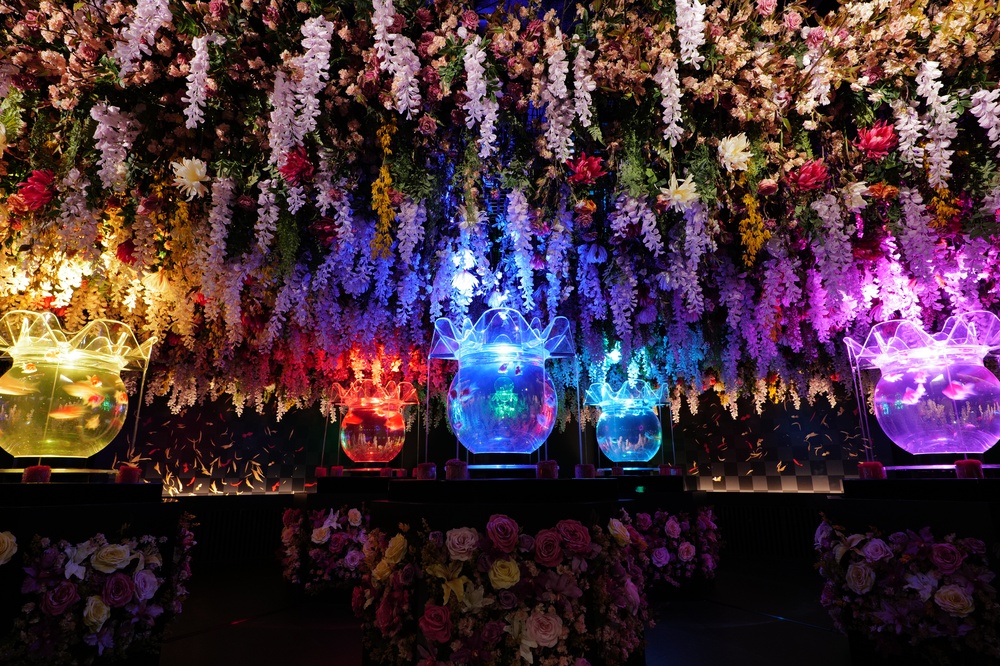
Savor the beauty of goldfish in wild profusion [Art Aquarium Museum GINZA]
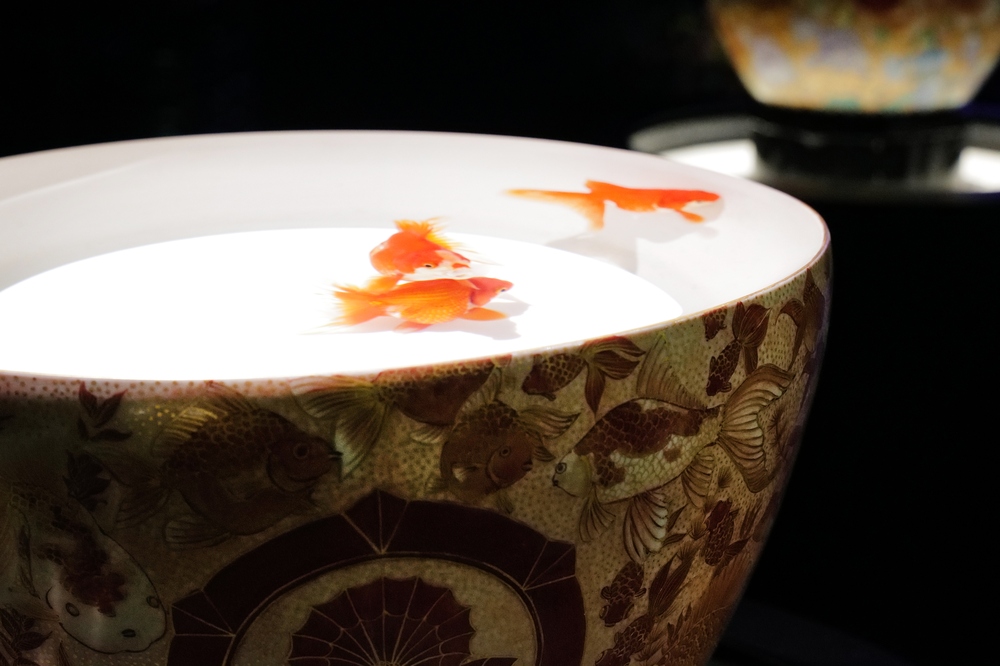
The Art Aquarium Museum GINZA at Ginza Mitsukoshi offers a groundbreaking goldfish art experience that incorporates traditional Japanese aesthetics in an immersive space of light, sound, and fragrance. The most eye-catching exhibitions include the delicate “Goldfish Rock Garden“ designed by architect Kengo Kuma, and “Oiran Flower Dance (HANAMAI)“ showcasing the artistry of ikebana master Shogo Kariyazaki. These and other artworks make up a diverse exhibition space created with participation from leading creators in various fields. Dozens of goldfish varieties, including the Tosakin, glide gracefully through these spaces, creating a truly unique atmosphere. Photo spots are provided throughout the museum—perfect for capturing upload-worthy memories. Visitors can also enjoy a collection of Utagawa Kuniyoshi ukiyo-e featuring goldfish, along with collaborative artworks by up-and-coming creators. This exhibition experience, which refines the goldfish appreciation tradition dating back to the Edo period, offers a special moment that only Ginza can provide.
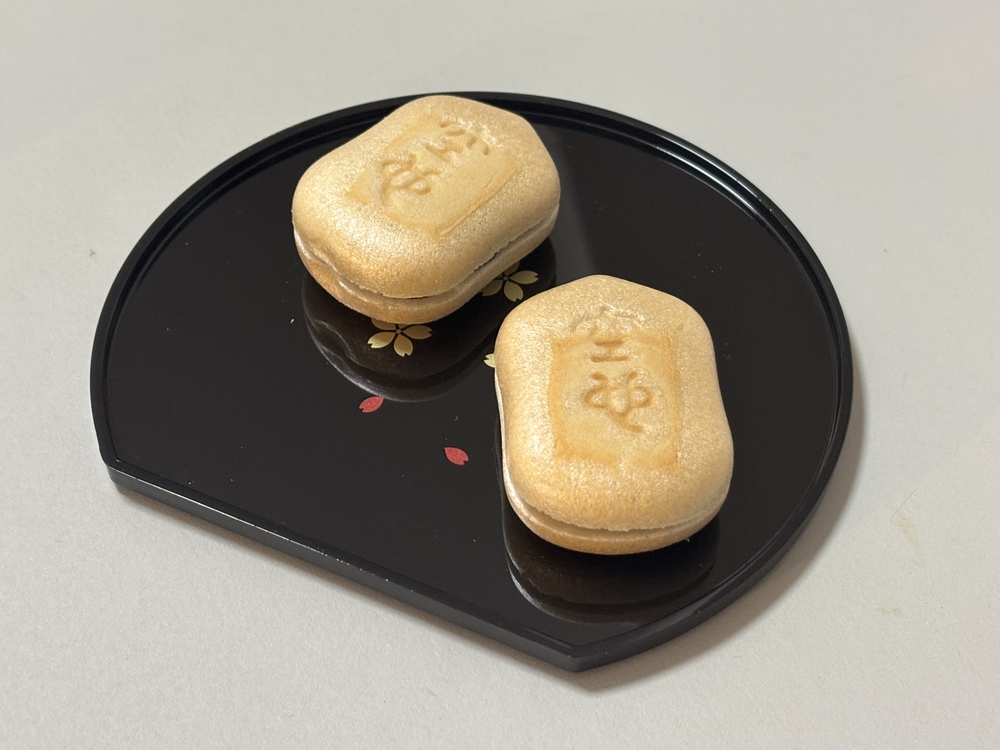
The legendary monaka beloved by great writers [Ginza Kuya]
Beloved by many cultural figures including Natsume Soseki, this legendary monaka remains famous today as a classic gift purchased in Ginza. The famed shop that makes them is Ginza Kuya. Founded during the Meiji era in the Ikenohata district of Ueno and relocated to Ginza in 1949, the shop has maintained its unchanging flavor ever since. Their signature Kuya Monaka is a masterpiece featuring bean paste made from low-pesticide azuki beans grown in the Tokachi region of Hokkaido, wrapped in fragrant toasted wafers. Faithful to the Edo confectionery tradition, these delicious treats are characterized by their graceful sweetness. “We’ve consistently pursued our approach of handcrafting sweets in the heart of Ginza and delivering them to customers the same day,” says fifth-generation owner Hikoyuki Yamaguchi. Amazingly, about 8,000 monaka are made each day, most of which sell out through in-store sales alone. This exquisite monaka is available exclusively in Ginza—making it the perfect special present for someone dear to you.
A historic establishment since the Meiji era, visited by a very famous rock star [Café Paulista]
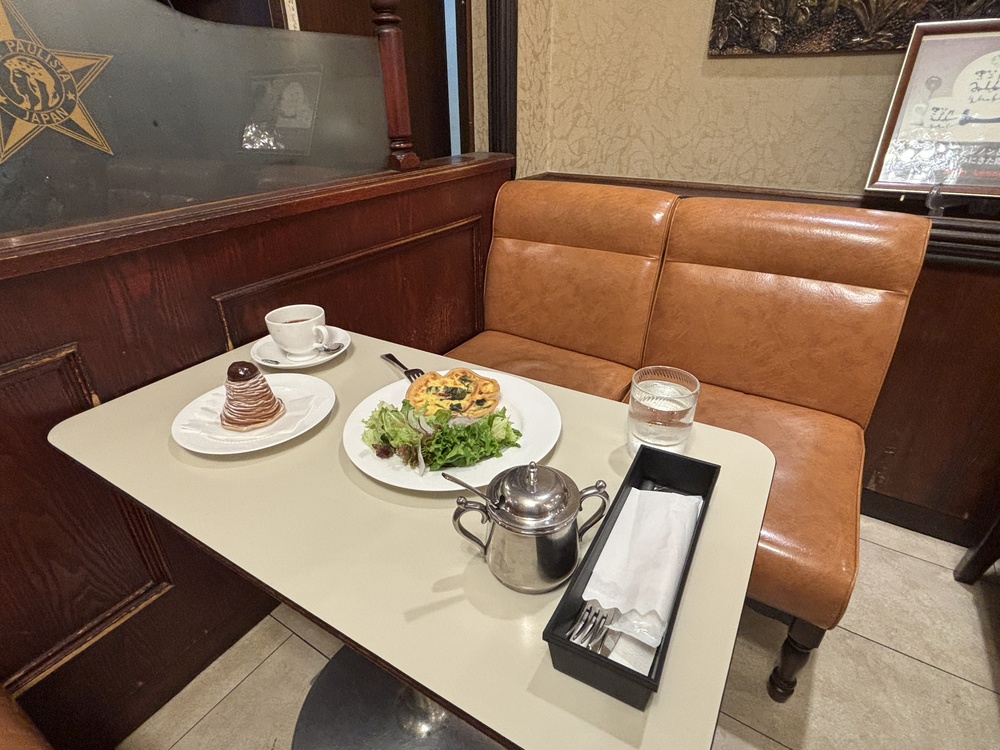
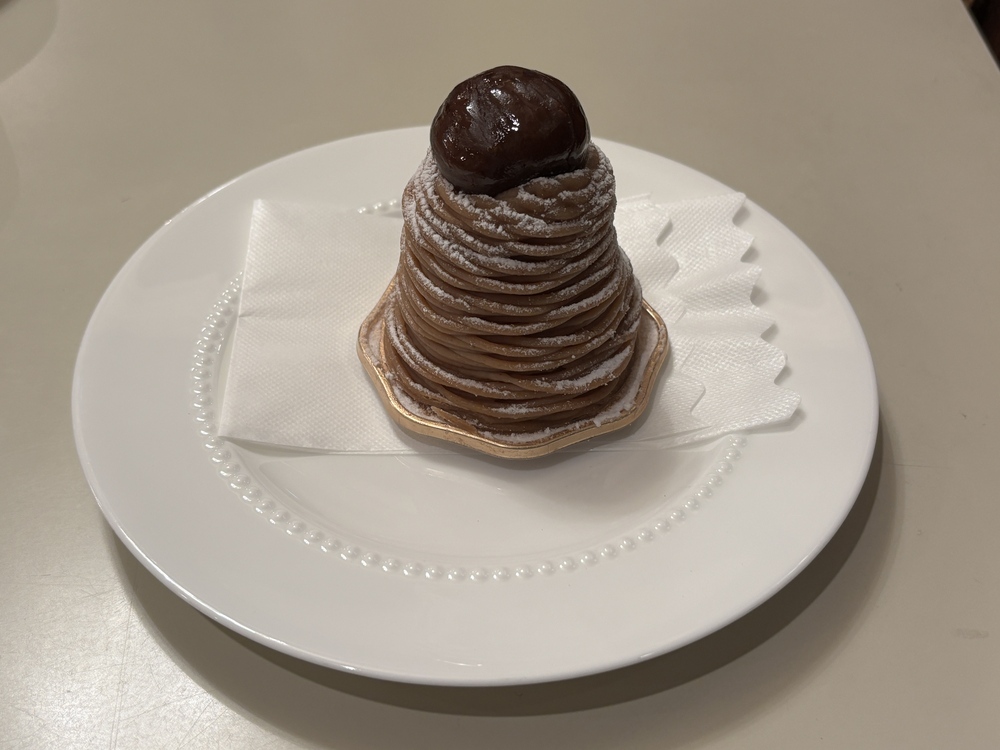
Café Paulista is said to be Japan’s oldest surviving café. Since opening in 1911, it has championed authentic Brazilian coffee culture in Japan. Before the war, cultural figures such as Hiratsuka Raicho and Akutagawa Ryunosuke gathered here, and even after its postwar reopening in 1970, the interior and furnishings retained the atmosphere of the 1970s. The signature Cafe Florestal (forest coffee) features refreshing acidity from fully ripened beans grown under contract in Brazil’s rainforests without pesticides or chemical fertilizers. On the other hand, the dark-roasted Paulista Old, which John Lennon reportedly loved during his 1970s visit to the shop, is a menu item beloved among fans. The café offers many light meals and sweets, including a charming shell-shaped quiche and an exquisite mont blanc cake made with lavish amounts of coffee beans. An exceptional cup of coffee awaits you at this historic establishment that has captivated everyone from legendary Meiji-era writers to world-famous rock stars.
Skyscrapers rising behind gardens: Experiencing Edo in Tokyo [Imperial Palace East Gardens]
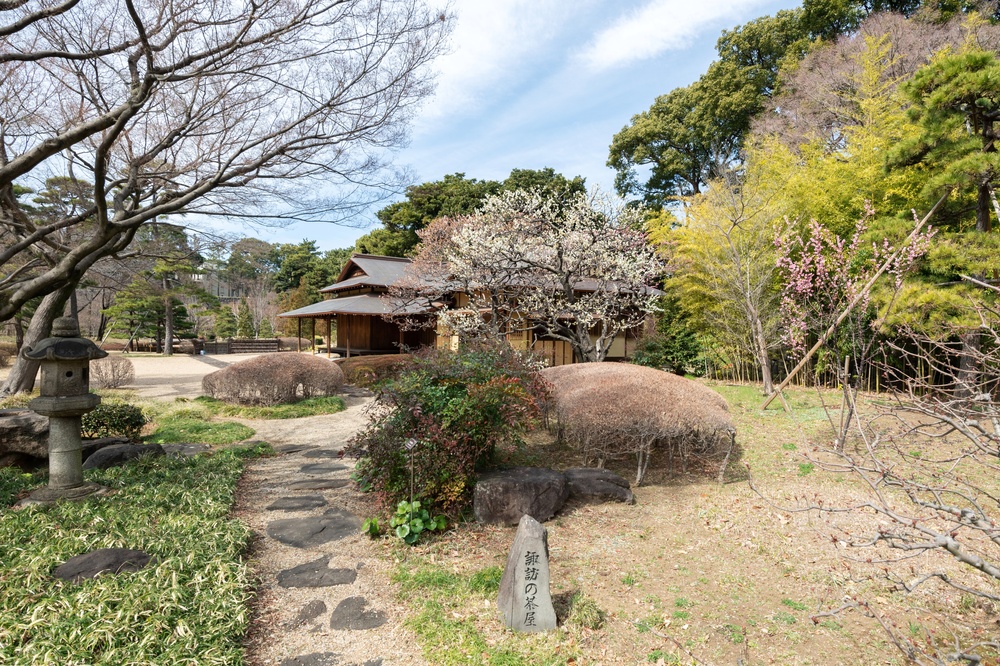
This elegant teahouse in Ninomaru Garden originally stood in Fukiage Garden, but was relocated during development of the Imperial Palace East Gardens in 1968. The building was reconstructed in 1970 and is currently not available for use as a teahouse. Only exterior viewing is permitted. The structure, which evokes Japan’s ancient history, beautifully harmonizes with the garden landscape, creating an elegant scene.
Open to the public since 1968, the Imperial Palace East Gardens are gardens replete with nature, developed on portions of the former Edo Castle’s honmaru (“inner circle of defense”), ninomaru (“second circle of defense”), and sannomaru (“third circle of defense”). The expansive 210,000-square-meter grounds contain numerous historical sites, and blooming flowers in season. Ninomaru Garden is a Japanese garden restored as the chisen-kaiyushiki (strolling pond) type based on plans prepared during the era of the ninth shogun, Ieshige. A chisen-kaiyushiki garden is designed to be enjoyed while strolling, and generally features a large central pond surrounded by paths, with bridges, stones, and other features recreating scenic views from various regions. As you leisurely stroll, you can savor the changing views of the pond from different angles, and further along the walking path you’ll find a small waterfall that appears to be the water source. It’s hard to believe such a tranquil space exists in the heart of a metropolis, and this is a popular spot for people to relax. Entry is free with no reservation required, but opening hours vary by season, so checking ahead of time is recommended.
Park Hotel Tokyo
TEL +81(0) 3-6252-1111
Shiodome Media Tower 1-7-1 Higashi Shimbashi, Minato-ku, Tokyo, Japan(Front Desk 25F)
【DATA】
Art Aquarium Museum GINZA
Inside Ginza Mitsukoshi, 4-6-16 Ginza, Chuo-ku, Tokyo (Entrance reception/same-day tickets: 9th floor of the new building)
TEL +81(0) 3-3528-6721
Walk about 7 minutes from the Park Hotel Tokyo to Tokyo Metro Shimbashi Station.
Get off at Ginza Station on the Tokyo Metro Ginza Line and walk for about 4 minutes.
Ginza Kuya
Kuya Bldg., 6-7-19 Ginza, Chuo-ku, Tokyo
TEL +81(0) 3-3571-3304
Walk about 7 minutes from the Park Hotel Tokyo to Tokyo Metro Shimbashi Station.
Get off at Ginza Station on the Tokyo Metro Ginza Line and walk for about 5 minutes.
Café Paulista
1F Nagasaki Center Bldg., 8-9 Ginza, Chuo-ku, Tokyo
TEL +81(0) 3-3572-6160
Walk about 7 minutes from the Park Hotel Tokyo to Tokyo Metro Shimbashi Station.
Get off at Ginza Station on the Tokyo Metro Ginza Line and walk for about 10 minutes.
Imperial Palace East Gardens
1-1 Chiyoda, Chiyoda-ku, Tokyo
Walk about 7 minutes from the Park Hotel Tokyo to Tokyo Metro Shimbashi Station. Take the Tokyo Metro Ginza Line to Nihombashi Station. Transfer to the Tokyo Metro Tozai Line and get off at Otemachi Station. Then walk for about 5 minutes.
Our Guide
Kei Ishigaki
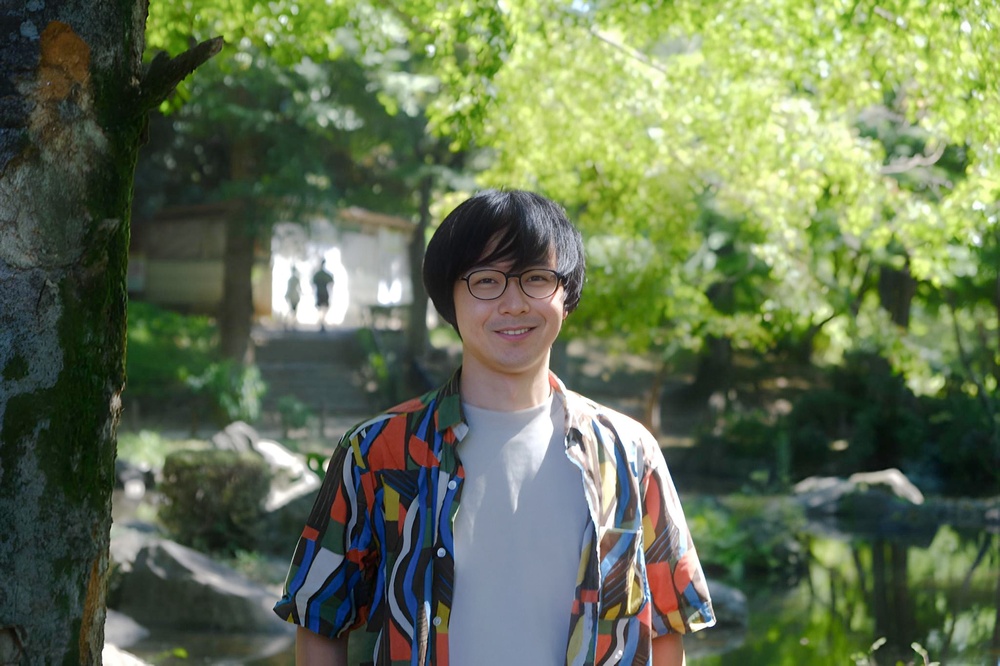
Born in Shizuoka City in 1991. After graduating from the Graduate School of Osaka Prefecture University, Kei worked at a social welfare corporation and in magazine editing before founding the publishing company Beacon in 2025. He is currently active across a broad range of editing, proofreading, and writing work. His editing credits include Anthology: My Survival Strategies (Seikatsu Tsuzurikata Shuppanbu) and The Traveler’s Tabloid series (DriveD Inc.). Proofreading credits include Spiral Days (Bokumin Shuppankai). He currently lives in Myorenji, Yokohama, and is active as a guitarist in an improvisational band.
*Unless otherwise noted, prices include tax and service charges.
*Operating hours at each facility are subject to change.