






Akutagawa Ryunosuke’s Short Stories: Exposing Human Nature and Inviting Deep Interpretation Like A Bottomless Swamp
Book and Hotels
People talk about their favorite books to read at hotels from their unique perspectives.
Vol. 7: Yo Kusakabe (Writer, Doctor)
Yo Kusakabe explores aging, death, and life in his writing. After serving as a medical officer at diplomatic missions in three countries including Papua New Guinea, he returned to Japan and worked in geriatric medicine before dedicating himself fully to writing. What kind of book does this well-traveled author, shaped by years of living abroad, take with him on his journeys?
Akutagawa’s literature resonates with people across time
When I stay at hotels it’s usually for work trips, and when choosing a book to bring along, I tend to pick short story collections since I won’t be able to sleep if I start a novel. Among the many short story collections out there, this time I chose Akutagawa Ryunosuke’s short stories, which can be interpreted in various ways depending on the reader.
Akutagawa’s short stories draw their material from the Konjaku Monogatari, but that doesn’t mean he simply borrows and uses the content as is. He turns it into something completely different. No matter how much times and society change, I think his fiction gets at various essential truths that are important for human life.
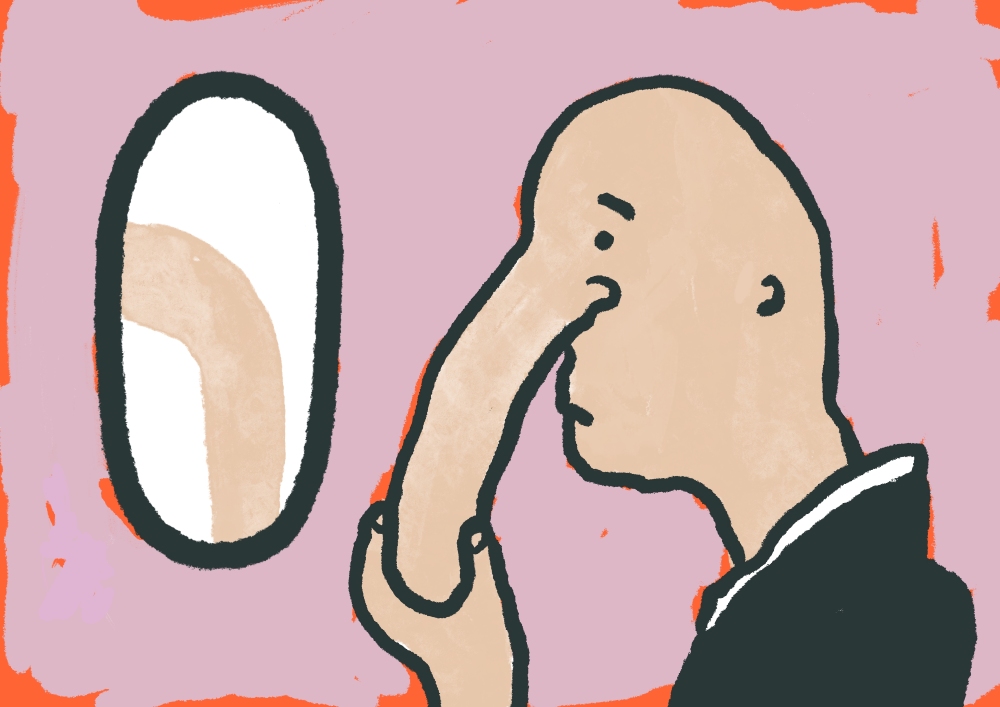
For example, the famous story “The Nose,” known to people of all ages, is about a Kyoto priest named Zenchi Naigu who spends his days worrying about his long nose. His disciple finds a method to shorten it and they decide to try it. The nose temporarily becomes shorter, and the priest goes out into town delighted, but for some reason people laugh when they see his face, making him feel uneasy. After a while, when his nose returns to its original length, people stop laughing at him, and he feels relieved.
When you read deeper into this story, I feel it speaks to the issue of cosmetic surgery today. Suppose someone gets cosmetic surgery for reasons like wanting double eyelids because their eyes are narrow, or wanting a more prominent nose. The person thinks, “Now I’ll be my ideal self!” but they may end up becoming even more self-conscious about how others see them, concerned that people around them know they’ve had work done. Even if the cosmetic surgery goes well, people are creatures whose desires keep bubbling up one after another—wanting bigger eyes, or to shave down their jawline—so it seems many people end up with increasingly unnatural-looking faces. It may be my cynical interpretation, but I think perhaps it’s a work that questions the meaning of changing one’s face through cosmetic surgery. The way it cuts to the essence across time like this is what I feel makes Akutagawa an amazing talent.
In the story “Minecart,” a child who is fascinated by minecarts asks some men to let him ride on one. While riding the minecart he has a great time, but when they reach their destination the men coldly tell him, “You better head home now.” The child suddenly finds himself forced into a dangerous, life-threatening situation where he has to walk back alone through the dark night after such an enjoyable experience. This applies to everyone’s life: even when you’re living happily day to day, you can suddenly face a terrifying situation. For example, you or a family member may be diagnosed with cancer. Getting caught up in unexpected circumstances like that is always a possibility.
I think “Minecart” conveys the fear that your pleasant daily life can turn dark in an instant, and that this can happen to anyone. At the end of the story, when the child somehow manages to get home safely and bursts into tears, you really understand his feelings and feel relieved yourself.
Akutagawa’s signature story “Rashomon” is about a dismissed servant taking shelter from the rain under the Rashomon gate, where he encounters an old woman on the upper floor pulling hair from corpses, who says “I have to do it to survive.” The servant then steals the old woman’s clothes and flees, saying “I too must survive.” It’s a work that gets at the essence of human weakness and frightfulness—how good and evil can reverse in an instant due to egoism. In another story, “In a Grove,” the testimonies of seven people questioned about a murder completely contradict each other. It’s a story where the truth becomes increasingly obscured due to self-centered thinking and self-preservation.
Medical practice through the lens of literature
Since I’m a doctor, I sometimes think about problems in modern medical practice through the lens of Akutagawa’s works. For example, consider second opinions: where patients consult with a doctor at a different medical institution than their current primary-care physician so they can choose a treatment method they’re satisfied with. It turns out that getting a second opinion doesn’t necessarily lead everything in a good direction. The more information people have, the more confused they can become, and they end up truly lost in the thicket wondering “Which is better? What’s the truth?” Thinking about the issue of euthanasia through “Rashomon,” even euthanasia opponents may be unsure how they will react if they contract an illness with no hope of recovery and face a life that drags on with nothing but suffering.
Akutagawa’s short stories draw on tales from the Konjaku Monogatari for material, but don’t simply retell them for entertainment. Rather, they contain his calm, somewhat cynical perspective and unique interpretation as he examines human nature. That’s why each work contains bottomless, swamp-like depths, which may be what captivates us. I think what makes these short stories sparkle is that they’re quietly filled with an atmosphere that makes you want to peek behind the scenes and into their depths.
If you pick up one of his books and pleasantly sink into Akutagawa’s bottomless swamp-like world, reading deeply and starting to ponder this and that, you might find yourself wide awake and unable to sleep. So everyone, be warned… (laughs).
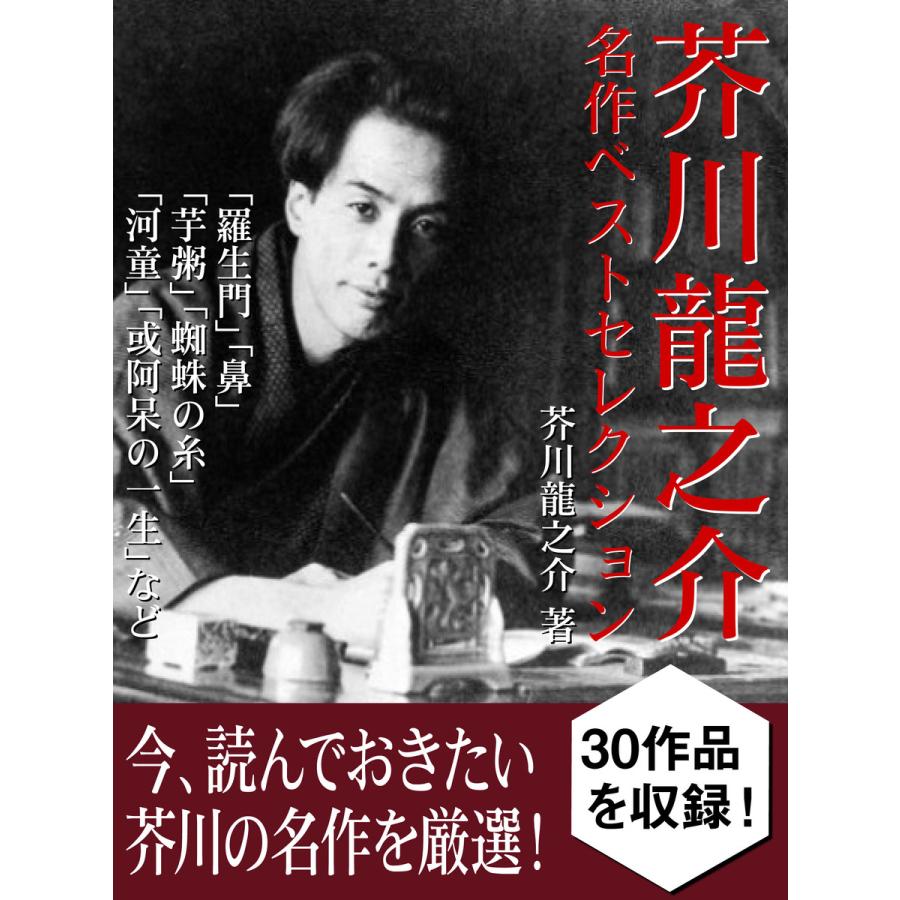
Akutagawa Ryunosuke: Best Selection of Masterworks – Rashomon, The Nose, Yam Gruel, The Spider’s Thread, Kappa, A Fool’s Life, and More Kindle Edition (Goma Books)
A collection of 30 masterpieces by the Meiji literary giant Akutagawa Ryunosuke. Includes his signature works such as “Rashomon,” “The Nose,” “The Spider’s Thread,” and “Minecart,” as well as many other excellent stories by Akutagawa Ryunosuke.
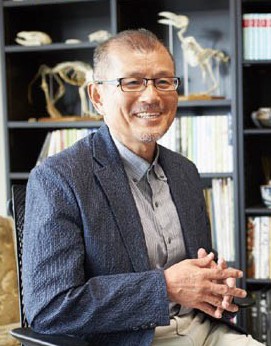
Yo Kusakabe
Born in Osaka Prefecture in 1955. Graduated from the Faculty of Medicine, University of Osaka. Trained in surgery and anesthesiology at the University of Osaka Hospital. After working at the Osaka Medical Center for Cancer and Cardiovascular Diseases (now the Osaka International Cancer Institute) in anesthesiology and Kobe Ekisaikai Hospital in general surgery, he served as a medical officer at diplomatic missions in Saudi Arabia, Austria, and Papua New Guinea. After returning to Japan and participating in the independent literary magazine VIKING, he made his debut as a writer in 2003 with his novel Haiyoshin (Disused Body). In 2014, he won the 3rd Japan Medical Novel Award for Akui (Bad Doctor). In 2015, he won the 8th Kamigata Rakugo Script Excellence Award for Ishokuya-san (Transplant Dealer). In addition to Haretsu (Rupture), Mutsu (Painless), and Kami no Te (The Hand of God), which were adapted into television dramas and became bestsellers, his many novels include Terorisuto no Shoho (The Terrorist’s Prescription), Kaigoshi K (Caregiver K), Akutagawa-sho (Akutagawa Syndrome), Kowai Kanja (Horrible Patient), and Ema to Kyohaku-jo (Votive Tablets and Threatening Letters). His latest work is Inochi no Yokodori (Snatching Life) which depicts the conflict between reason and emotion surrounding heart transplantation.
Share



Like