Discovering the Charms of Tokyo!!Miwa Asao’s “Royal Travel Run” Vol. 2 [Toshi Center Hotel]
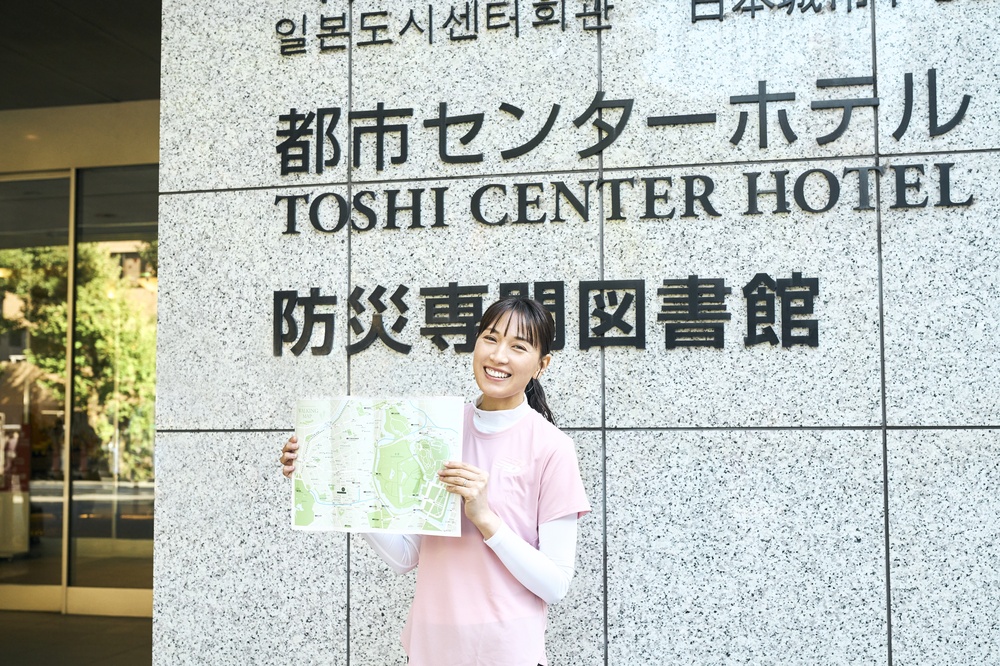
Travel running, as the name suggests, means enjoying a run while traveling. You can take in the sightseeing spots of a city you’re visiting for the first time, have casual conversations with locals, and feel the changing seasons as you run, creating special memories you will treasure. Even people who don’t normally run can enjoy travel running as a leisure activity.
Why not wake up a little early and try a travel run while feeling the refreshing breeze?
For this installment, former professional beach volleyball player Miwa Asao will introduce the running course at the Kokyo Gaien National Garden, located near the Toshi Center Hotel.
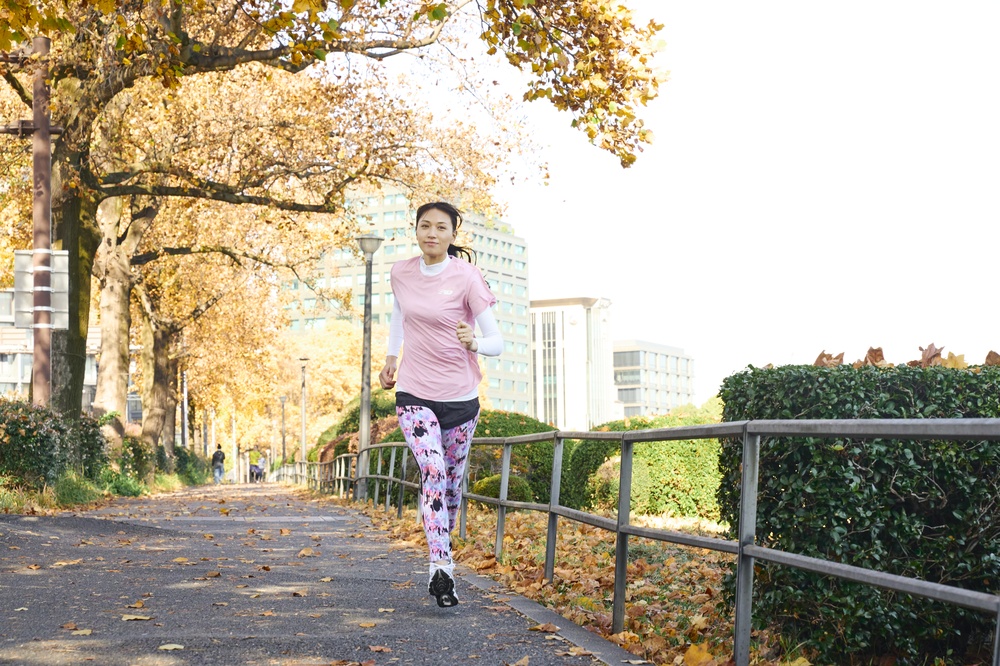
The Imperial Palace run: a run through central Tokyo while enjoying the autumn foliage (approx. 5 km, takes about 30 minutes)
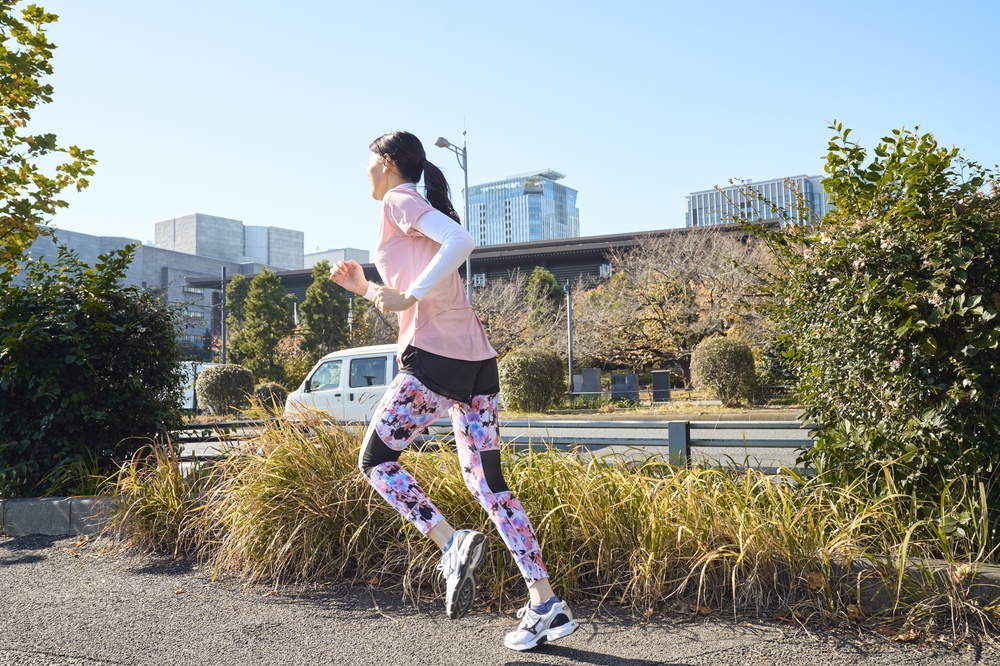
The Kokyo Gaien National Garden (Imperial Palace Outer Garden), where you can run nonstop without any traffic lights, is one of Tokyo’s most popular running courses. The outer loop is about 5 kilometers, a manageable distance even for beginners, but the moderate ups and downs leave you with a greater sense of accomplishment than you might expect.
The greatest appeal of the Imperial Palace run is being able to run while viewing the lush greenery of the palace grounds. Famous landmarks appear one after another—the Hanzomon and Sakurada-mon Gates on your left, the National Theatre and National Diet Building on your right—making it a true travel run where you can enjoy sightseeing while you jog.
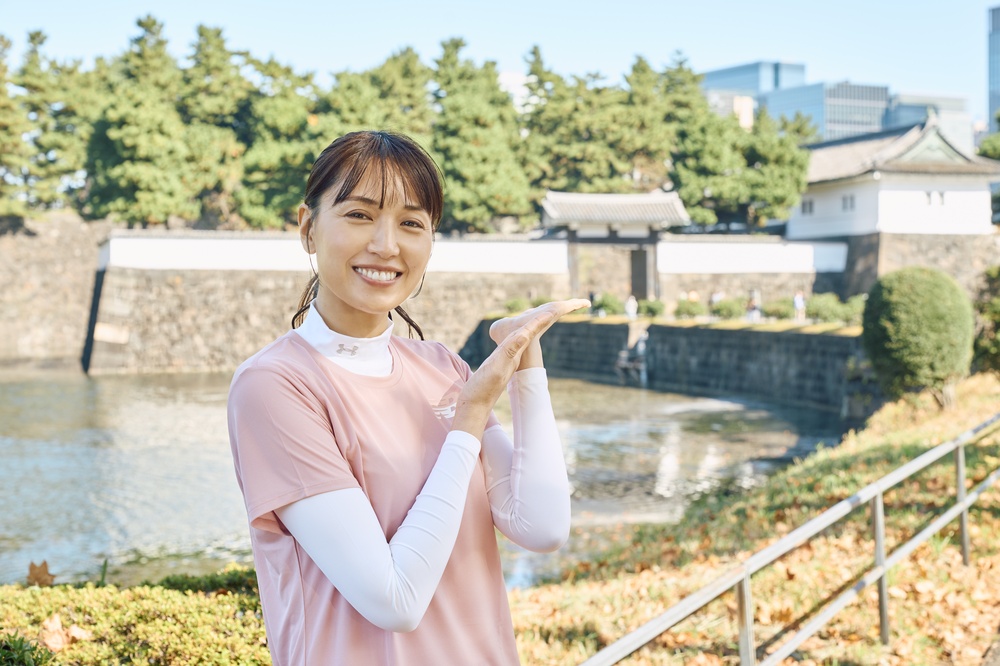
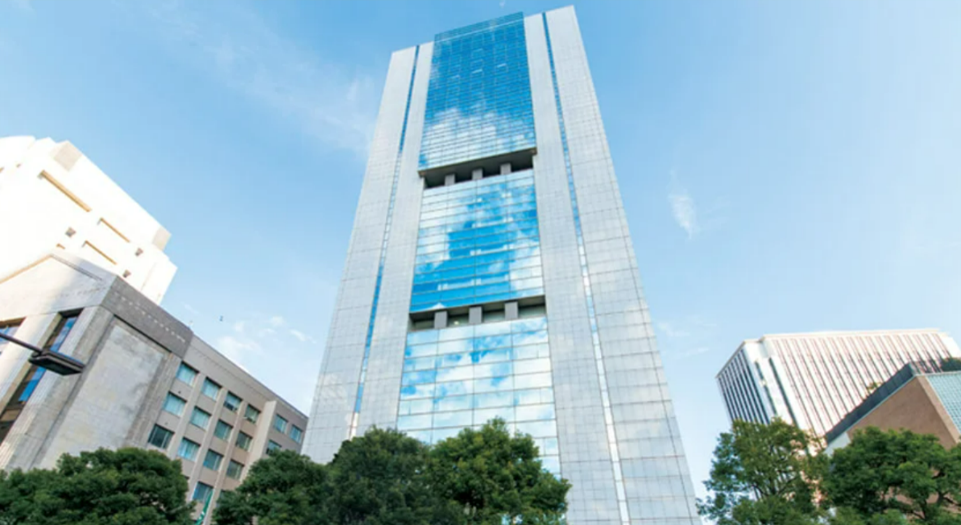
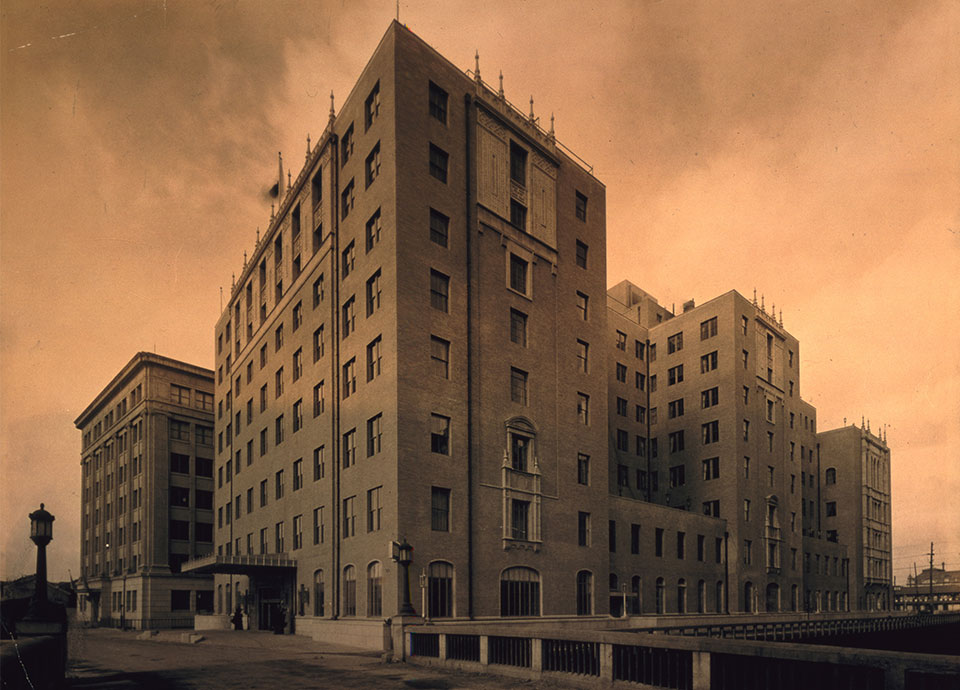
Hi everyone, I’m Miwa Asao. For the second installment of “Travel Run,” I’ll be introducing a running course in the vicinity of the Toshi Center Hotel in Tokyo. This hotel has excellent access—just a three-minute walk from Nagatacho Station on the Tokyo Metro, and the rooms offer wonderful views from the upper floors.
This time, I’ll be introducing the Imperial Palace run, which takes you around the Kokyo Gaien National Garden, one of Tokyo’s most popular running courses. When I think of the Imperial Palace run, I remember a time during my days as a beach volleyball player when I was going to compete in the Honolulu Marathon. I lived in Yokohama at the time and would often come here to run for training. Back then, I ran at night after beach volleyball practice, so I couldn’t enjoy the scenery, but today I’m looking forward to running while enjoying the colorful autumn leaves on the trees.
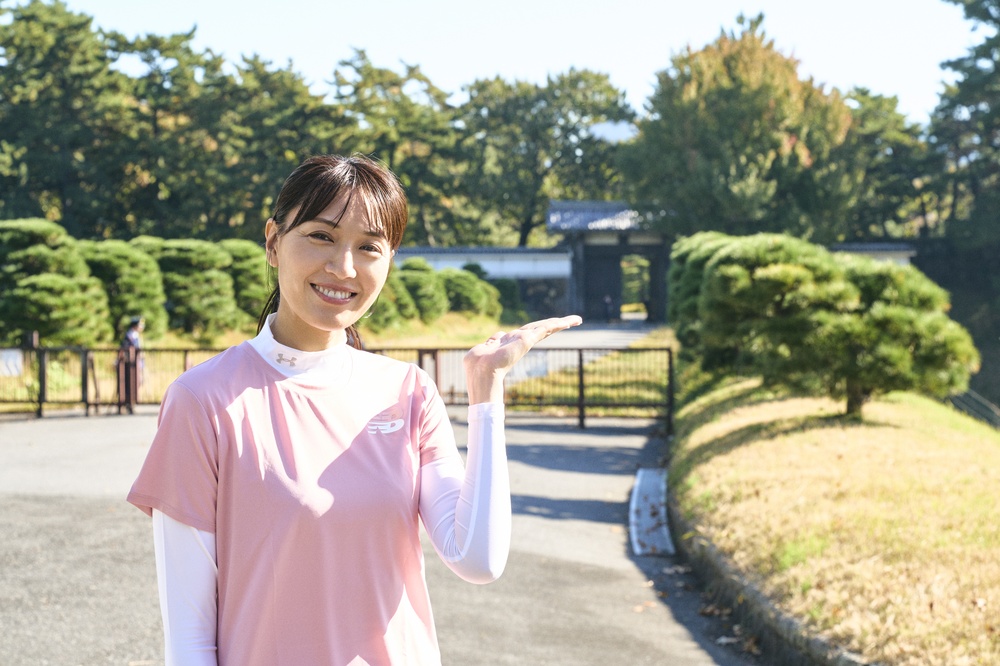
The main starting points for the Imperial Palace run are Sakurada-mon Gate, Takebashi, and Hanzomon Gate. Today we’ll start from the Hanzomon Gate, about a ten-minute walk from Toshi Center Hotel.
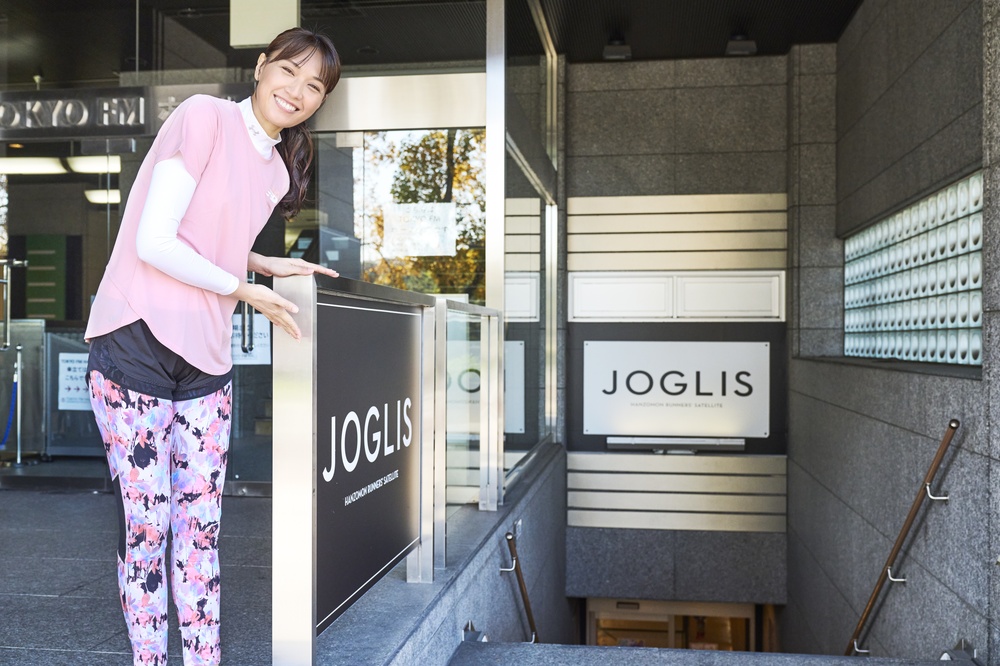
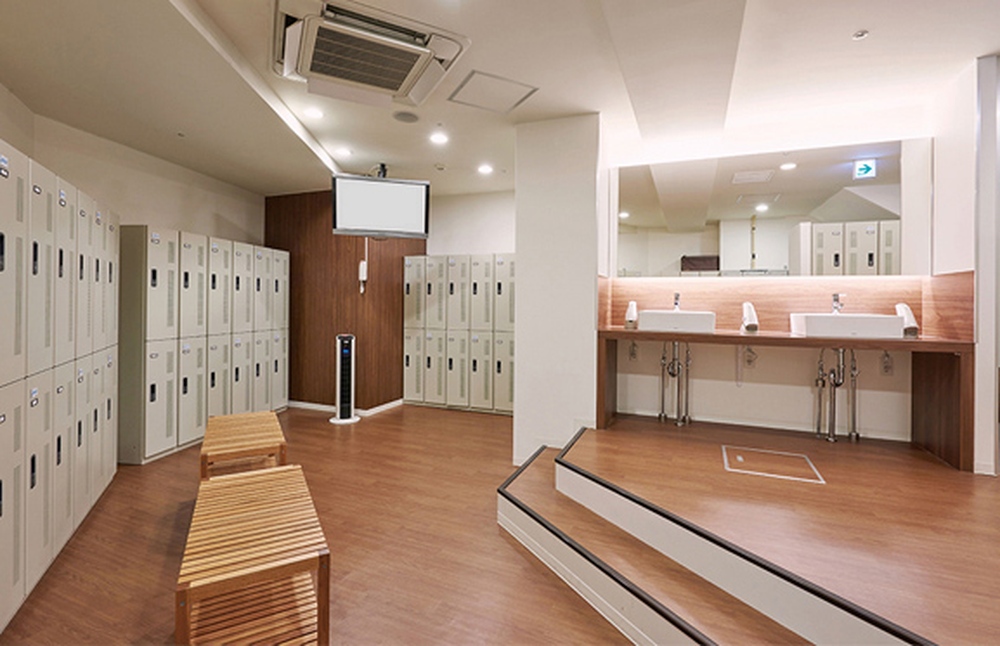
If you’re traveling and realize you forgot your shoes or running clothes, or you want to rent gear to keep your luggage light, the running stations around the Imperial Palace are convenient and highly recommended. They open early in the morning and offer changing rooms and showers, as well as shoe and clothing rentals. This time, we’ll do a quick change at the JOGLIS Imperial Palace Running Station, located right in front of Hanzomon Gate, and head to the starting point at that gate.
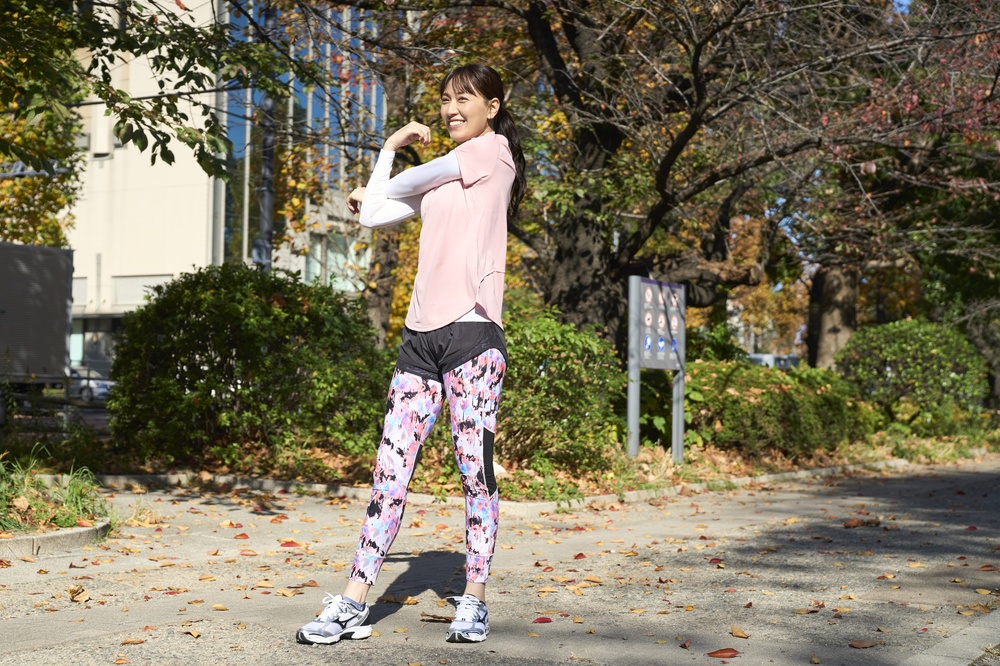
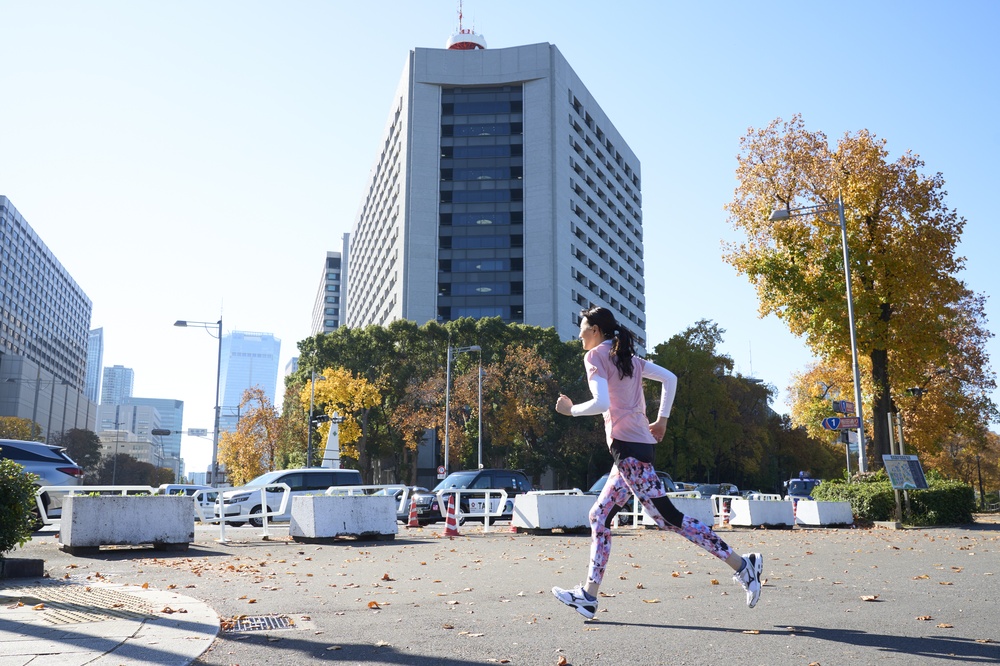
Once we arrive at Hanzomon Gate, we’ll start with some warm-up exercises. Then we’ll enjoy running down the scenic downhill slope.
Soon, the National Theatre came into view on the right. Unfortunately, it is currently closed for reconstruction.
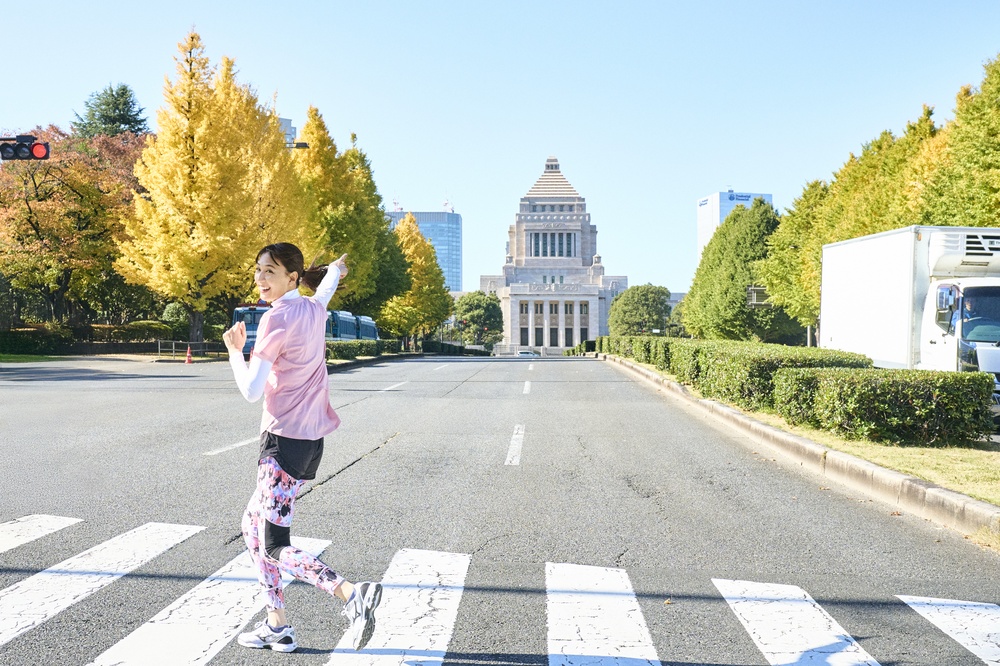
After crossing the pedestrian crossing, there’s the National Diet Building just off the course! If you make a detour to see it, you’ll find it’s a magnificent and beautiful structure.
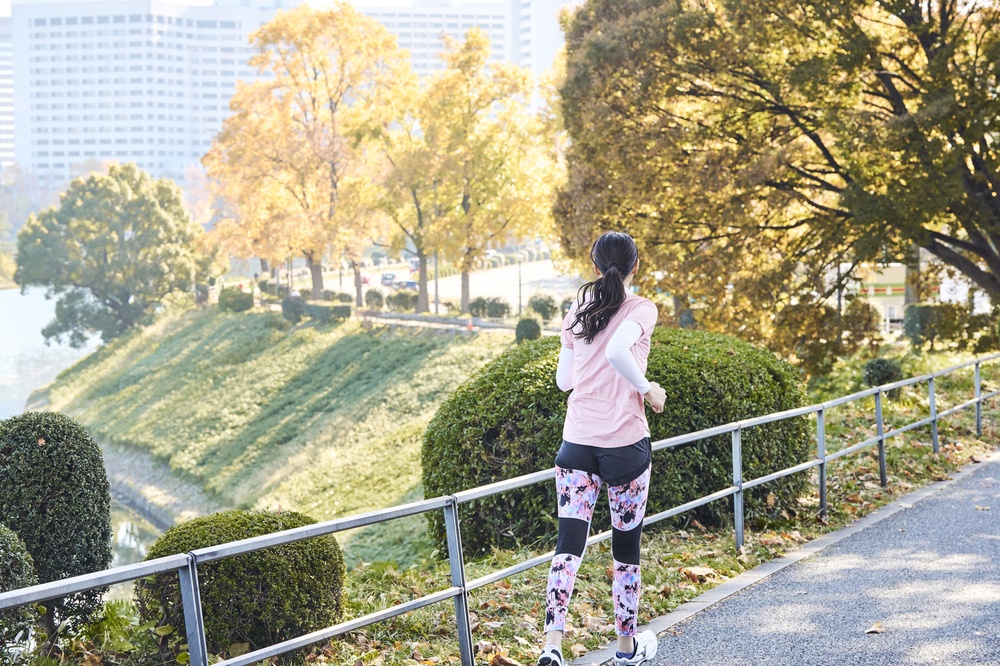
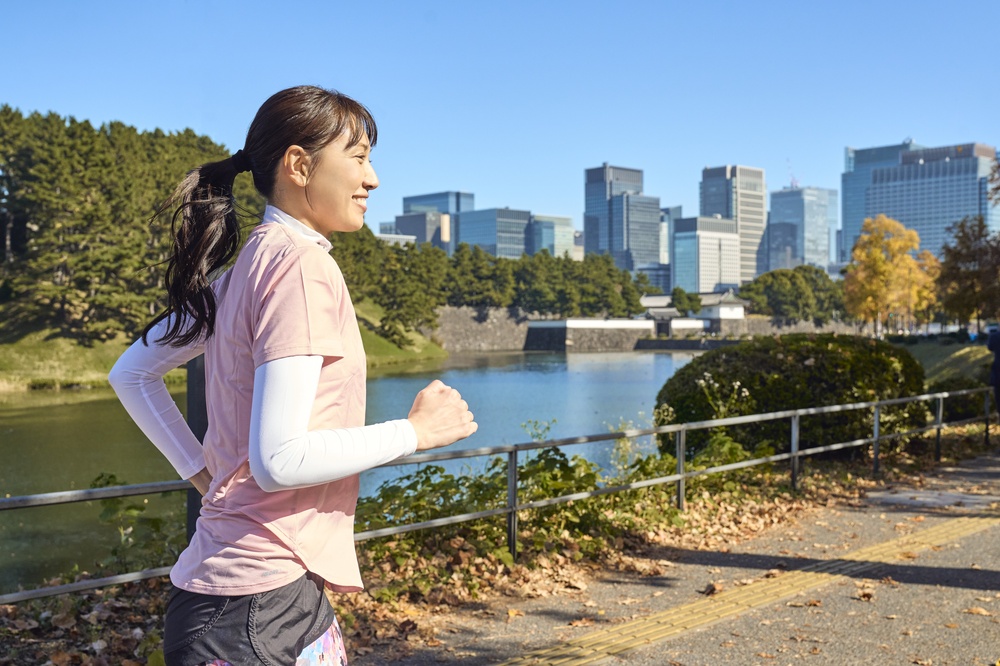
Running down the gentle slope, the moat and stone walls of the Edo Castle ruins come into view on the left. The trees inside the moat are deep green, while the street trees are colorful with autumn foliage. It’s very beautiful.
You can see the buildings in Marunouchi beyond the moat, giving you the feeling of traveling through a time slip between the Edo period and the present day. Soon we’ll arrive at Sakurada-mon Gate. If you want to visit Nijubashi Bridge, one of the Imperial Palace’s most famous sights, this is a convenient spot to access it.
To the right of Sakurada-mon, you can see Metropolitan Police Department headquarters. You often see this building in TV dramas.
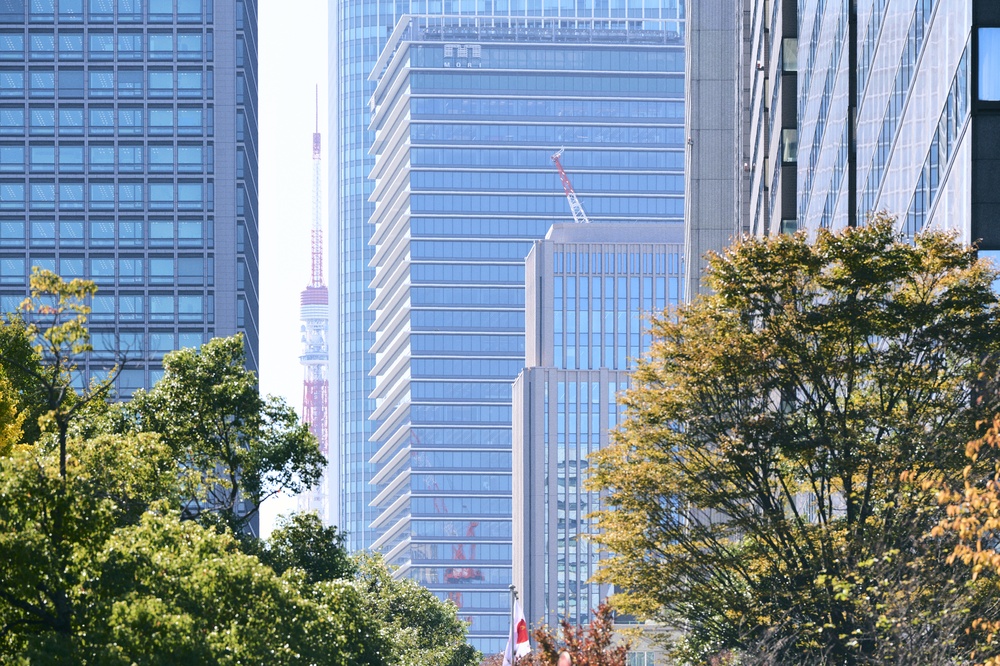
Oh! On the left I spotted Tokyo Tower tucked perfectly between the buildings! Can you see it? That structure that looks like a thin matchstick is Tokyo Tower.
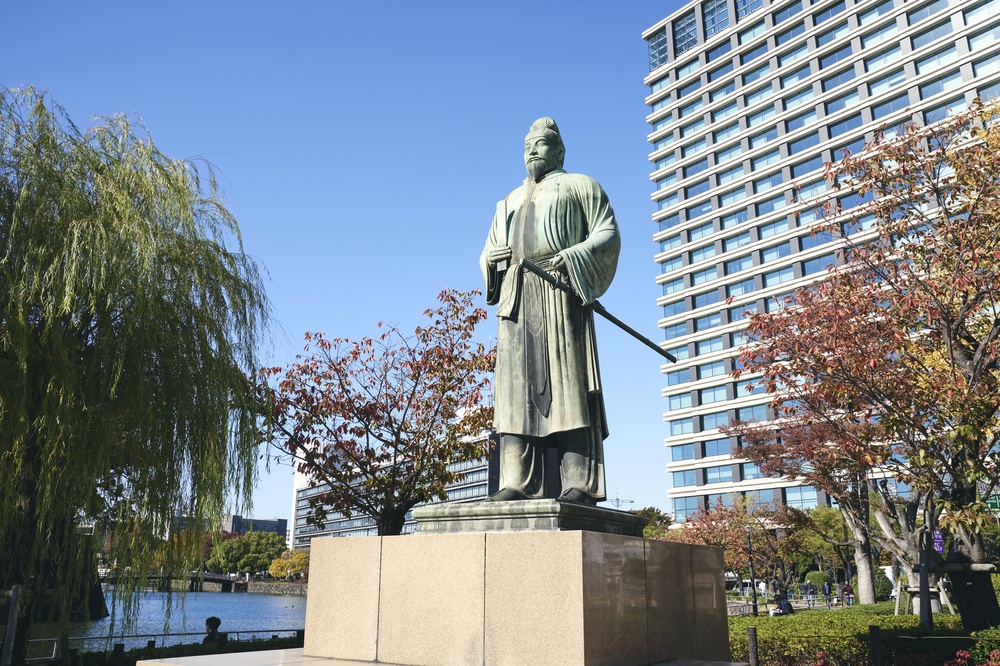
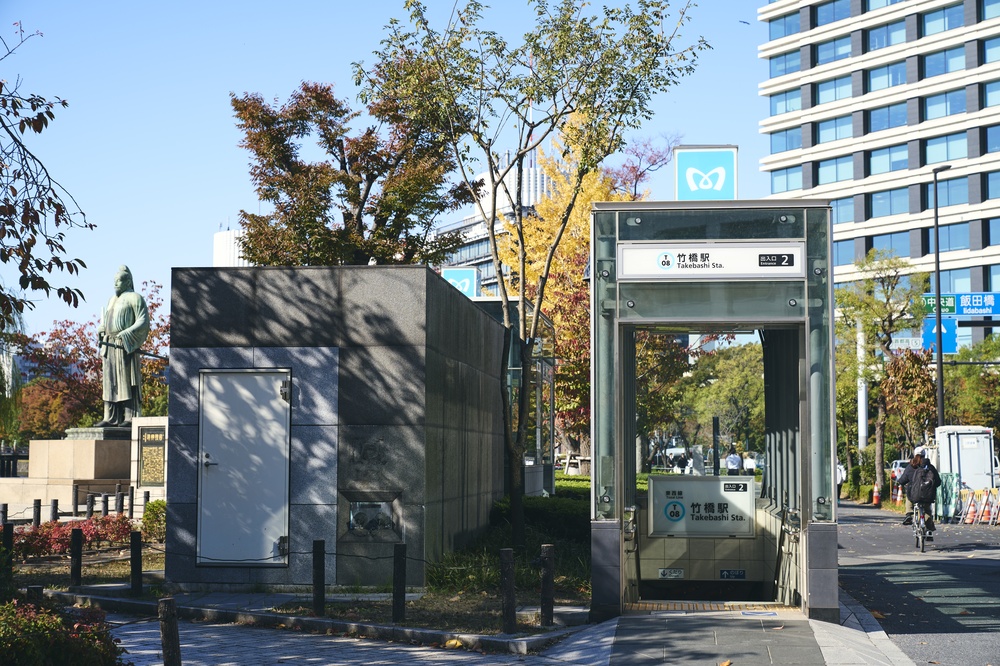
Continuing on, Takebashi Station on the Tokyo Metro appears on the right, and an impressive bronze statue on the left! This is the statue of Wake no Kiyomaro. He was a figure active from the Nara period to the Heian period who exposed the ambitions of the monk Yuge no Dokyo, who attempted to ascend to the imperial throne, and saved the imperial line from extinction. The statue was erected in 1940. It certainly has a powerful presence. From here the sidewalk narrows and climbs uphill, so this is the critical stretch. Let’s do our best and keep running.
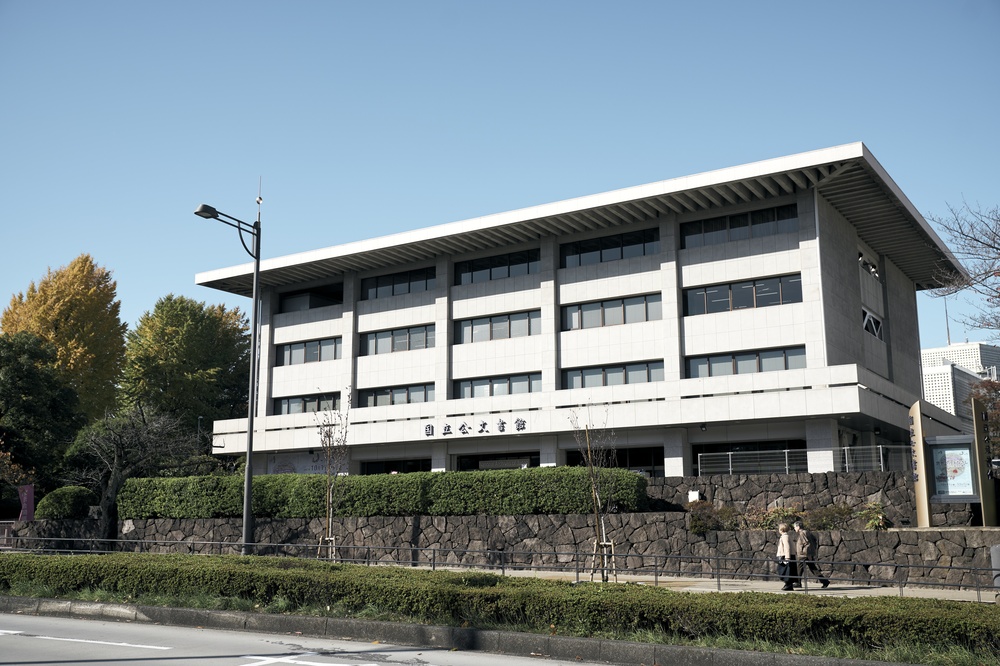
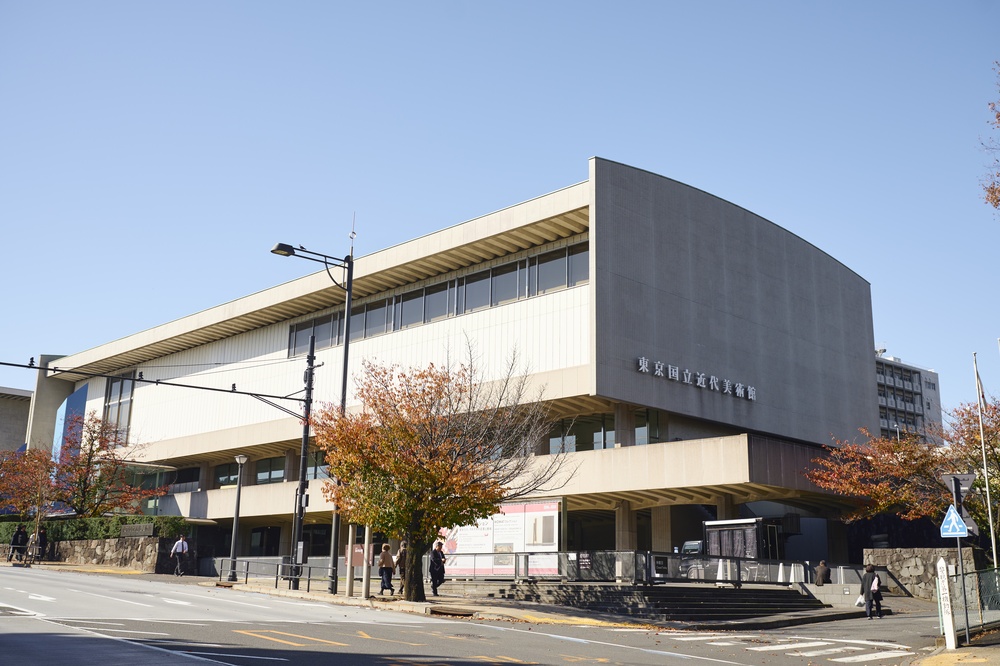
Continuing on, we see public facilities one after another on the right, like the National Archives of Japan and the National Museum of Modern Art, Tokyo. The uphill climb ends around here, and a gentle downhill stretch begins.
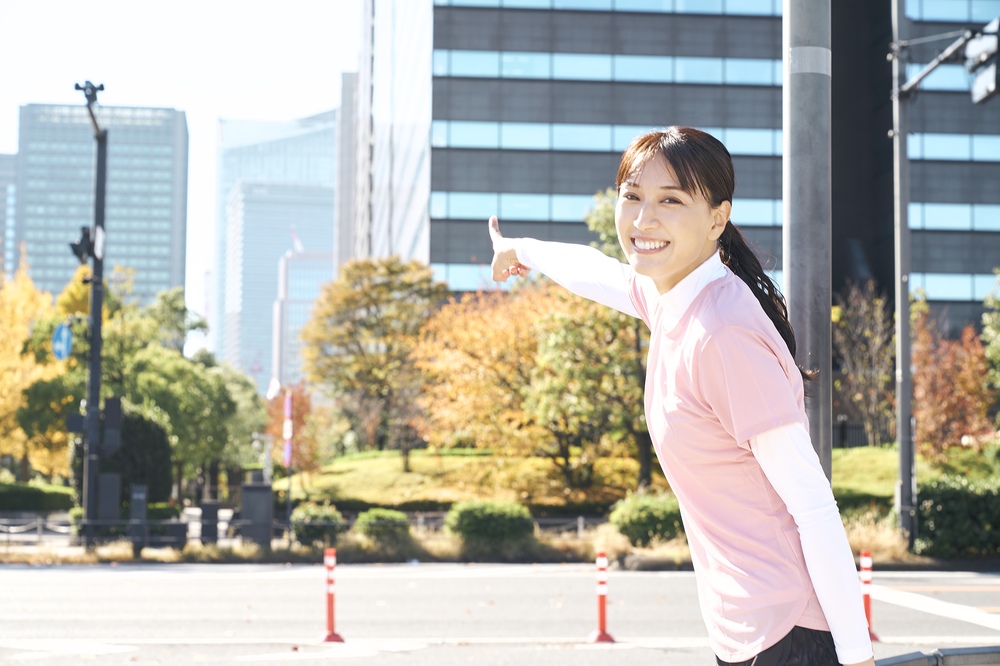
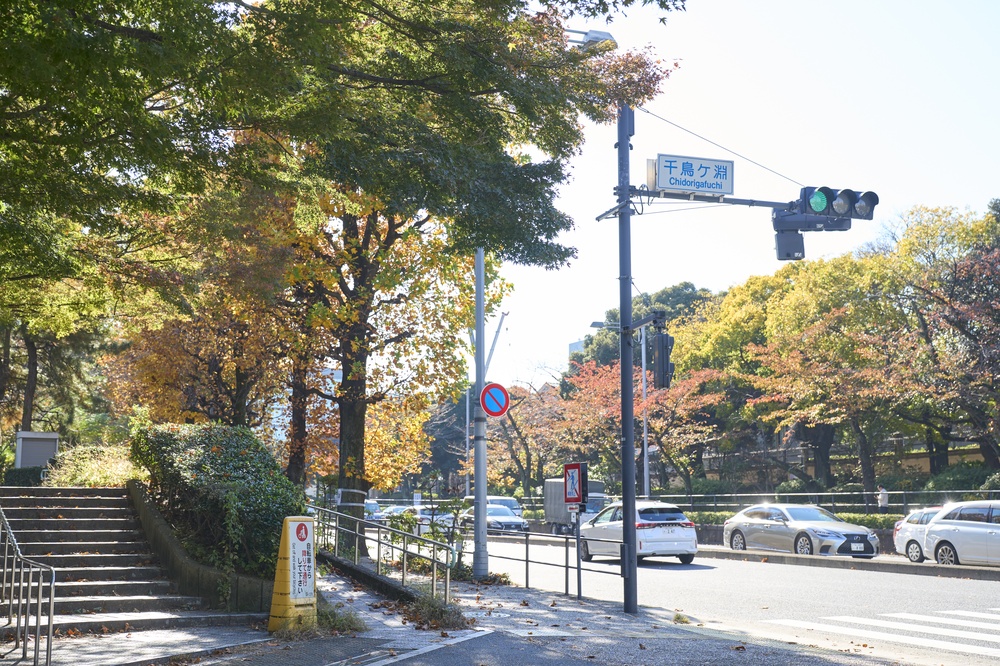
Before long, the Chidorigafuchi intersection comes into view. The park entrance is on the left. This area is famous for cherry blossoms, but in summer it’s wrapped in fresh greenery, and at this time of year you can enjoy the autumn foliage. It’s a perfect spot for a holiday stroll. From here it’s the final 500 meters. Time for the last sprint!
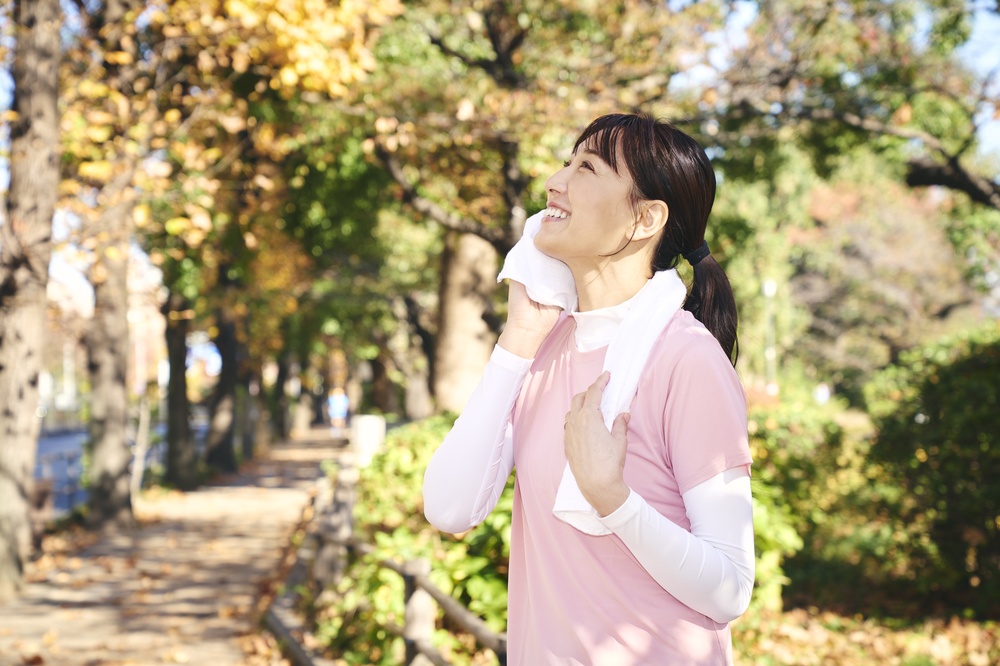
I safely arrived back at the starting point of Hanzomon. My body is warm and I feel 100% refreshed.
After the run
The Imperial Palace run was a quick 30 minutes as I enjoyed the lush green scenery of the palace grounds while spotting a series of famous Tokyo landmarks including the National Diet Building, the National Museum of Modern Art, and Chidorigafuchi Park. I come to Tokyo every week because I have a regular TV program I appear on, but I’d never taken the time to really enjoy the city’s scenery. This time, running helped me discover anew the charms of Tokyo.
I was also surprised by how many people do the Imperial Palace run. Even on weekdays, everyone is conscious of their health and runs before work. When doing the Imperial Palace run, be sure to follow proper etiquette: always run on the left side counterclockwise, don’t get in the way of pedestrians, and take your trash like plastic bottles home with you.
Today I ran in the morning, but at night you can enjoy the beautiful night views of the buildings in Marunouchi. Try changing your running time or starting point and enjoy the Imperial Palace run. Next time I want to run with my kids. But lately my children’s stamina has improved so much I’d probably lose to them (laughs).
Spots worth visiting at Kokyo Gaien National Garden near the Toshi Center Hotel
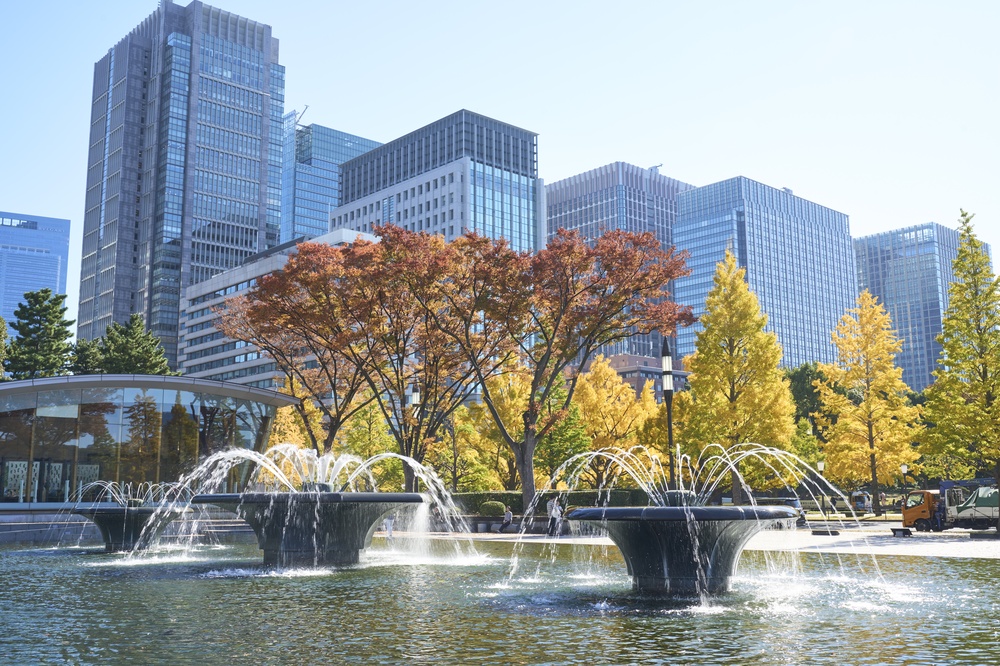
Wadakura Fountain National Park: A healing space of water and greenery
This park was developed to mark the marriage of the current Emperor in 1993 and was completed in 1995. Its symbol is the large fountain created in 1961 to commemorate the marriage of the Emperor Emeritus. The park features a monument inscribed with a waka poem composed by His Majesty the Emperor and a glass bridge spanning the waterway. The park has rest areas and a café, and many people stop by while strolling around the Imperial Palace. At night the park is illuminated, offering a fantastical scene quite different from the daytime view.
Nijubashi: A signature tourist spot of the Imperial Palace
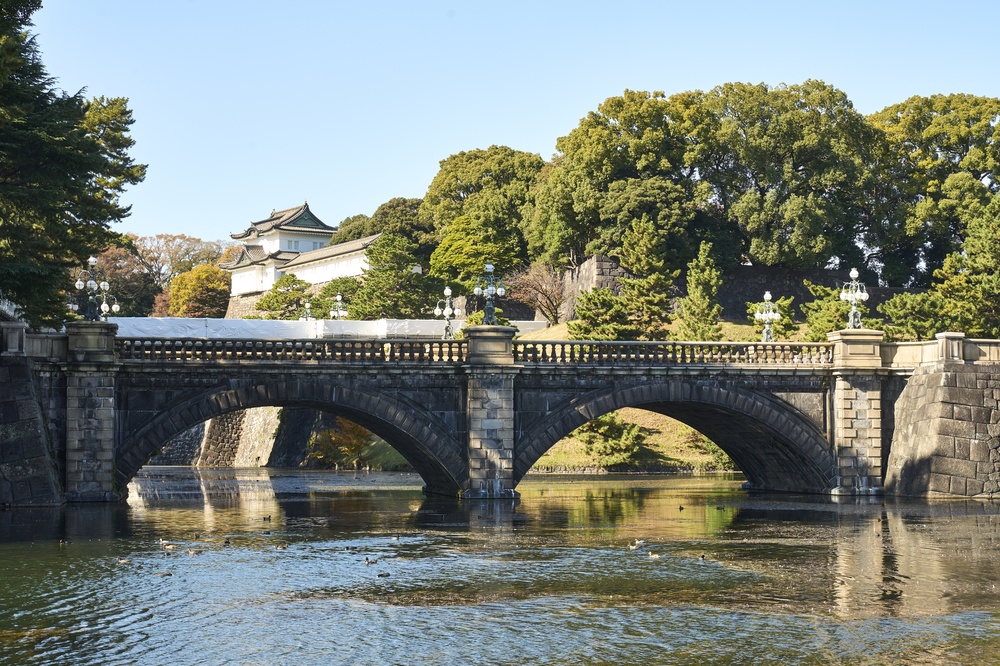
This is the bridge spanning the moat from the Imperial Palace Front Gardens through the Seimon (Main Gate) to the palace. On the near side is the Seimon Ishibashi (Main Gate Stone Bridge), and on the far side is the Seimon Tetsubashi (Main Gate Iron Bridge). Strictly speaking, Nijubashi refers only to the far side bridge. It was formerly called Gejobashi, and they say the name comes from the fact that the bridge has a double structure, with a platform midway to support the bridge girders. Beyond it you can see Fushimi-Yagura, a watchtower said to have been dismantled from Fushimi Castle— originally built by Toyotomi Hideyoshi in Fushimi, Kyoto—and relocated here. The elegant view of the stone bridge has become a well-known landmark of the Imperial Palace.
Statue of Kusunoki Masashige: A masterpiece ten years in the making
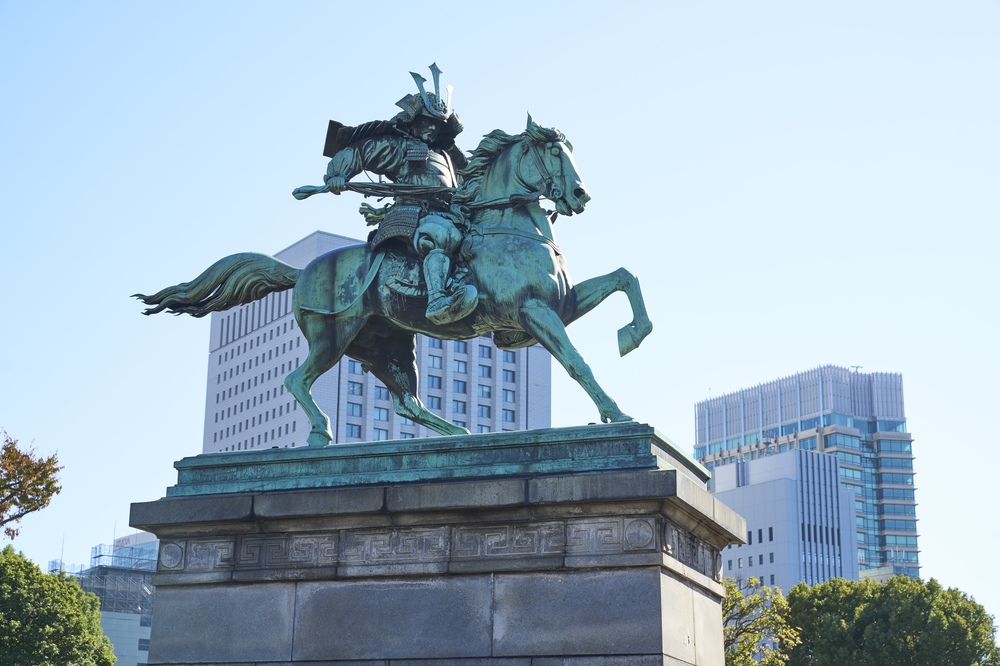
Facing Nijubashi stands a bronze statue of Kusunoki Masashige (also known as Nanko) in full armor, holding the reins of a war horse with its front leg raised. Kusunoki Masashige was a military commander who raised an army at the order of Emperor Go-Daigo to overthrow the shogunate, defeated the massive forces of the Hojo clan, and contributed to the fall of the Kamakura shogunate. This statue was donated to the Ministry of the Imperial Household by the Sumitomo family in 1900. The Tokyo Fine Arts School (now Tokyo University of the Arts) was commissioned to create it, and the project took ten years to complete. The statue stands approximately 4 meters tall, and including the pedestal reaches about 8 meters. When you stand before it, its majestic presence is breathtaking.
Chidorigafuchi Park: Children can play while viewing the Imperial Palace moat
Located about a five-minute walk from Hanzomon, this park sits between Uchibori-dori Ave. and Hanzo-bori Moat on the west side of the Imperial Palace. The park contains approximately 170 sakura (cherry blossom) trees, including Somei-yoshino and Yamazakura varieties, and is known as a famous cherry blossom spot together with the nearby Chidorigafuchi Green Way. At this time of year you can enjoy the autumn foliage as the trees change color. The park features a lawn area and plenty of playground equipment for children. When you ride the swings, you get a clear view of the moat and Hanzomon, making this a delightful park where children can enjoy Imperial Palace views while they play.
Photography by Tsukio Nakanishi
Miwa Asao
Born in Suzuka City, Mie Prefecture in 1986. Graduated from Mie Prefectural Tsu Commercial High School. In volleyball, her team reached the top 16 at the Inter-High School Championships in her first and third years. After switching to beach volleyball, she has worked as a model and television personality to promote the sport. Since marrying, she has been raising her children in Gifu Prefecture, and she is currently active as a commentator on TV Asahi’s Udo Times, ABC Asahi Broadcasting’s Ohayo Asahi Desu, and MBS Mainichi Broadcasting’s Yonchan TV.
Toshi Center Hotel
TEL +81(0)3-3265-8211
2-4-1 Hirakawa-cho, Chiyoda-ku, Tokyo
【DATA】
JOGLIS Imperial Palace Running Station
FM Center B1F, 1-7 Kojimachi, Chiyoda-ku, Tokyo
TEL +81(0)3-3221-6100
About a 10-minute walk from the Toshi Center Hotel
https://www.joglis.jp